
Hosting dinner for 30 people sounds like the kind of thing that should come with a warning label. Between timing, portions, and the fear of running out of food, it’s easy to assume a night like this will be chaotic.
This dinner was originally planned for 24 guests. By the time everyone arrived, 30 people were at the table — and the food still worked.
The reason wasn’t luck or last-minute scrambling. It was planning with margin.
What follows is exactly how I approached hosting a large dinner party: what I cooked, what I prepped ahead, and what I would absolutely do again if I were feeding a crowd tomorrow.
The mindset: plan for more than you need
Before I thought about recipes, I made one key decision:
If you plan for exactly the number of guests you expect, you’re already behind.
I assumed more people might show up — and built the menu to absorb that without stress. That meant:
- Choosing dishes that scale easily
- Building in extra portions where it mattered
- Avoiding anything fragile or dependent on perfect timing
When six additional guests arrived, the menu didn’t change. It simply expanded.
That’s the difference between planning precisely and planning wisely.
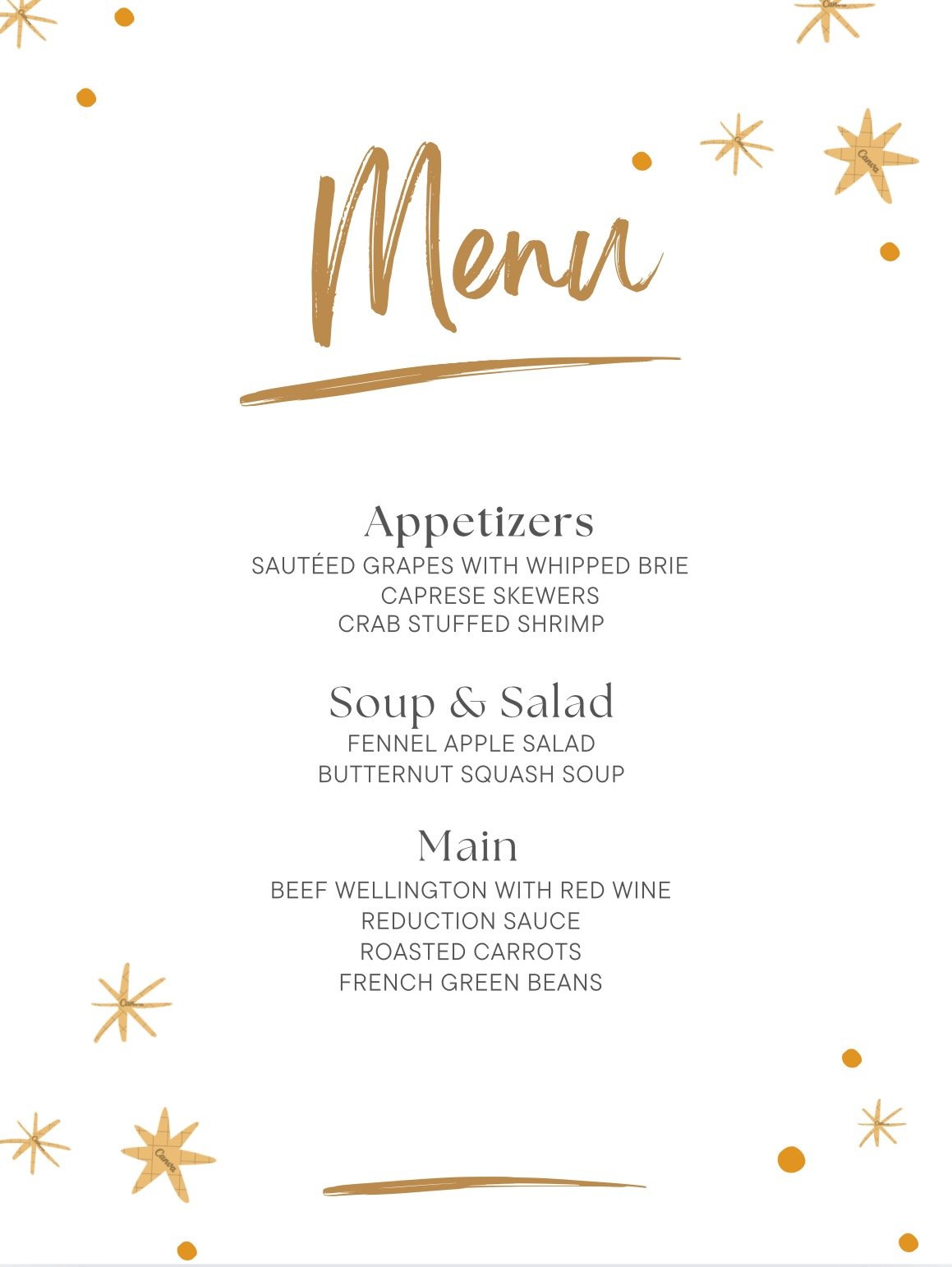
The menu: dinner for 30 people
Every dish on this menu earned its place. The goal wasn’t novelty — it was reliability, generosity, and flow.
Appetizers (served as guests arrived)
These needed to be make-ahead friendly, easy to grab, and balanced in flavor.
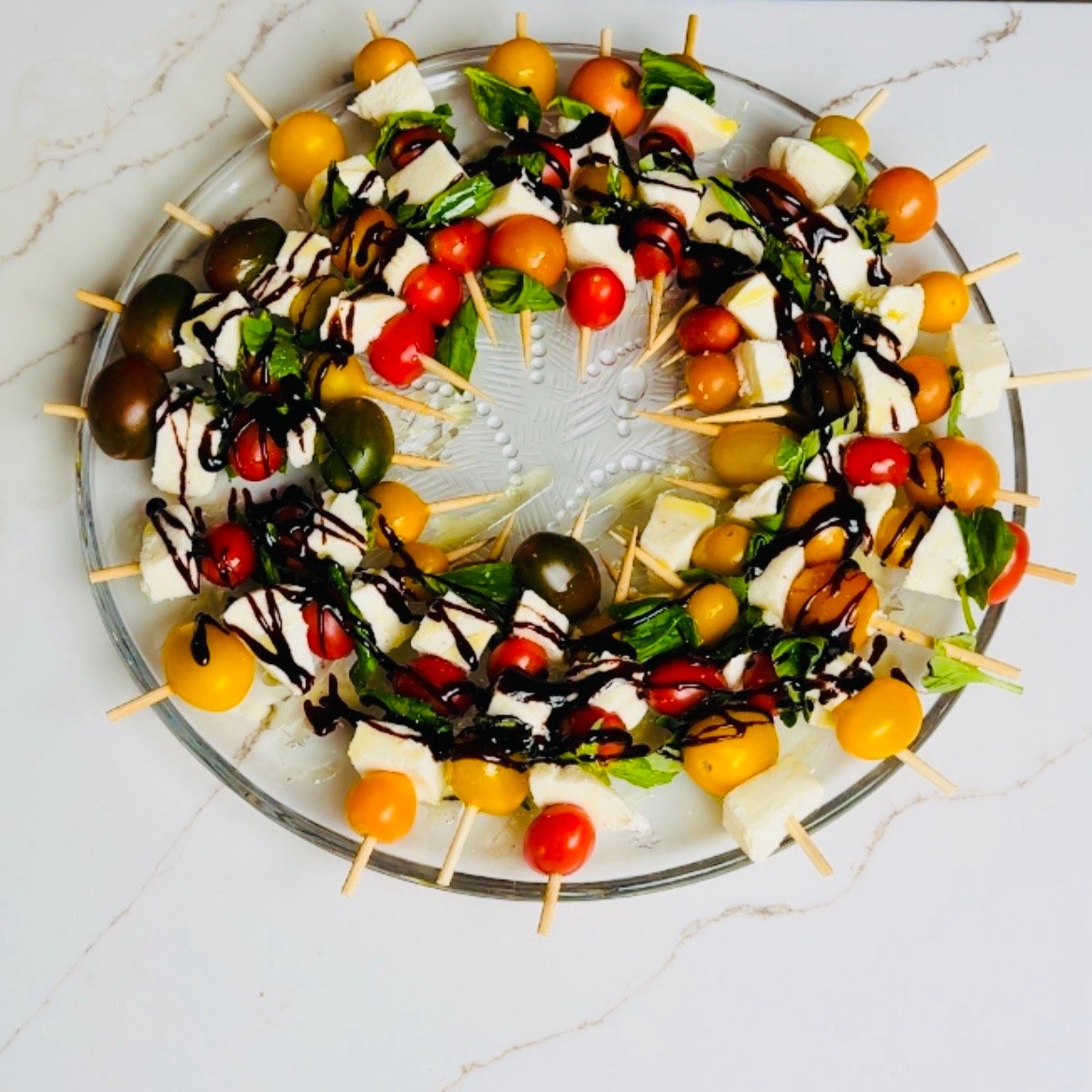
- Caprese skewers
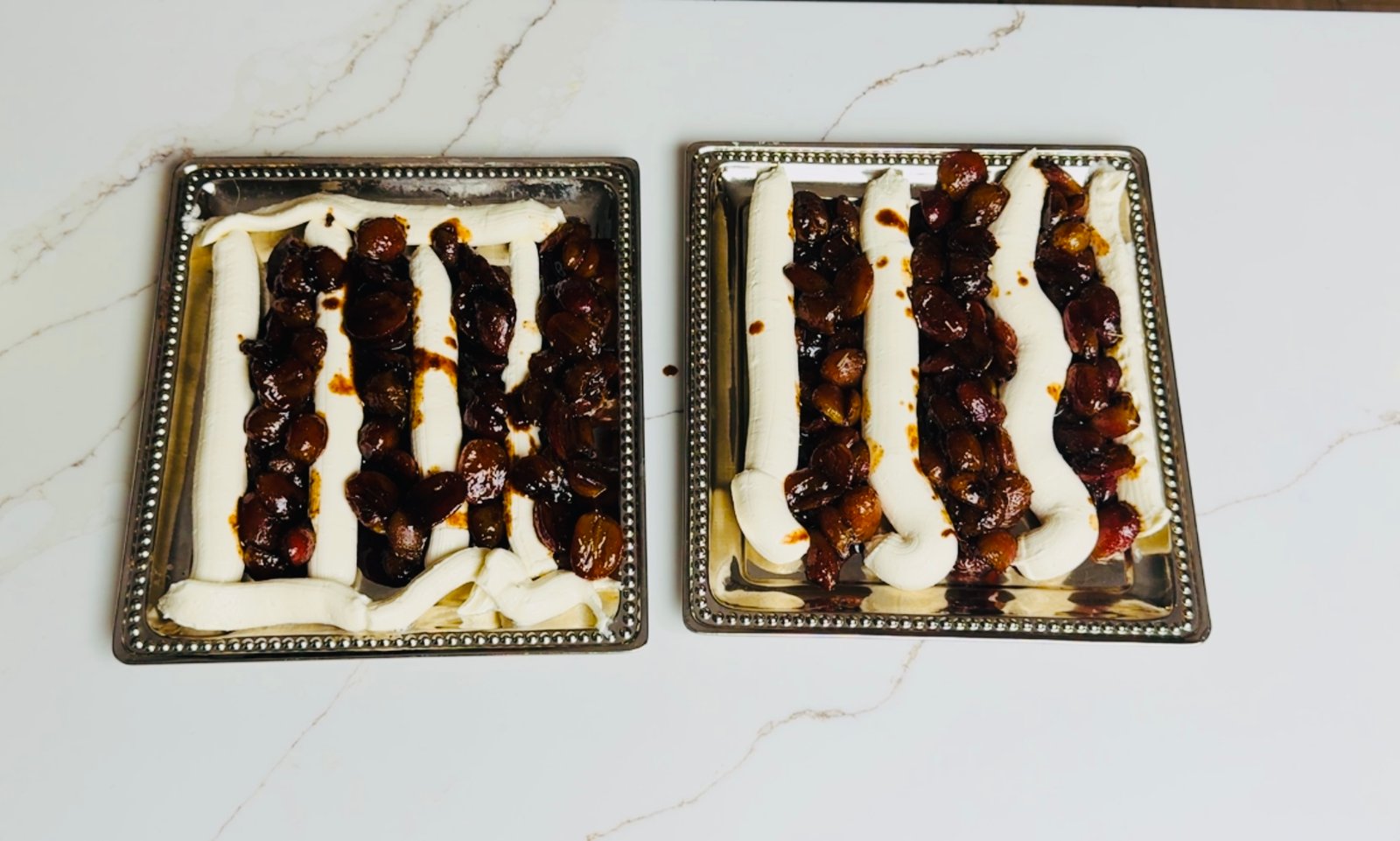
- Whipped brie with sautéed grapes
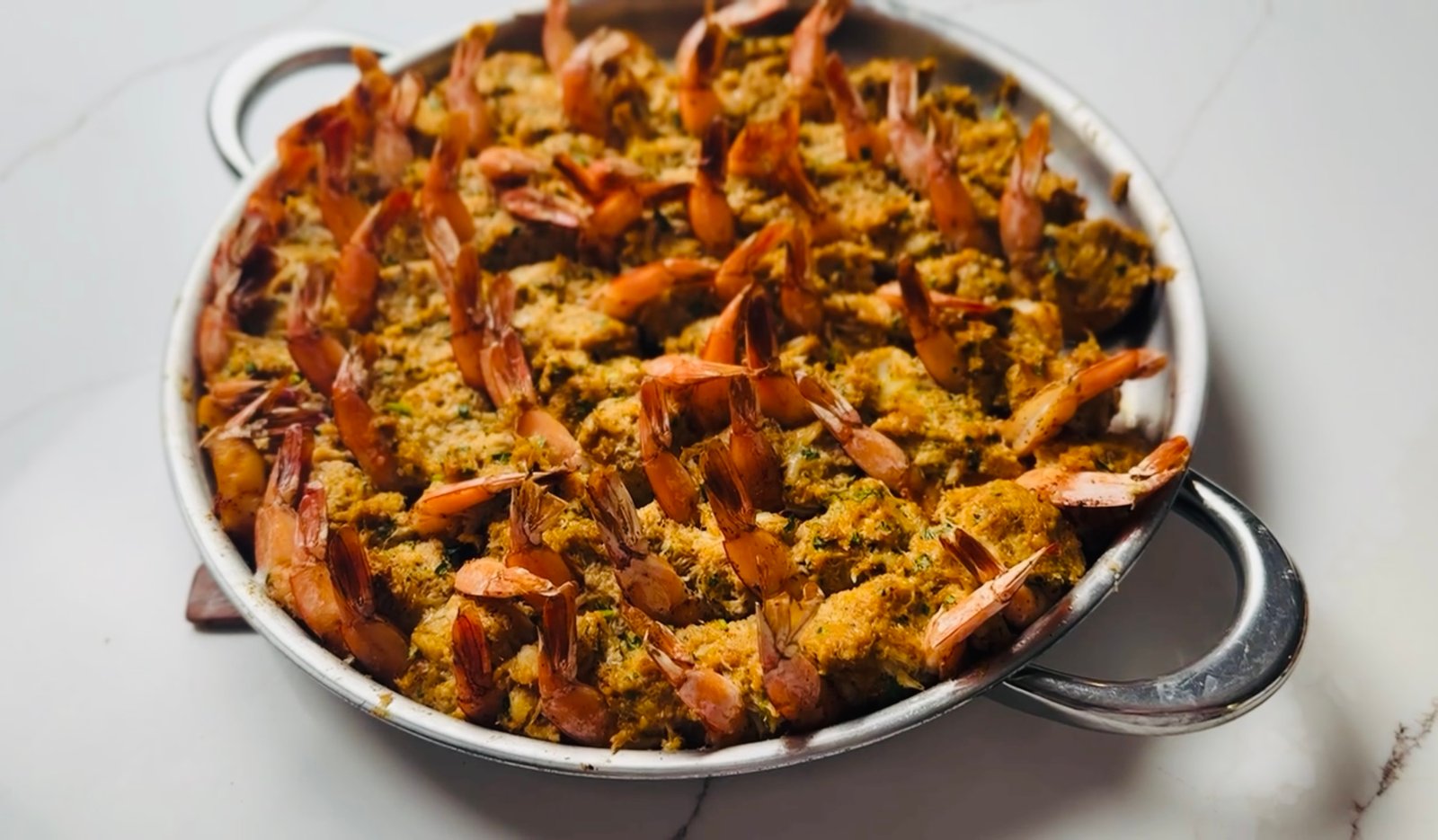
- Crab-stuffed shrimp
The skewers brought freshness, the whipped brie added richness, and the shrimp felt special without being fussy. Most importantly, all three could be largely prepared ahead and finished quickly.
First courses
These courses set the tone without overwhelming the kitchen.
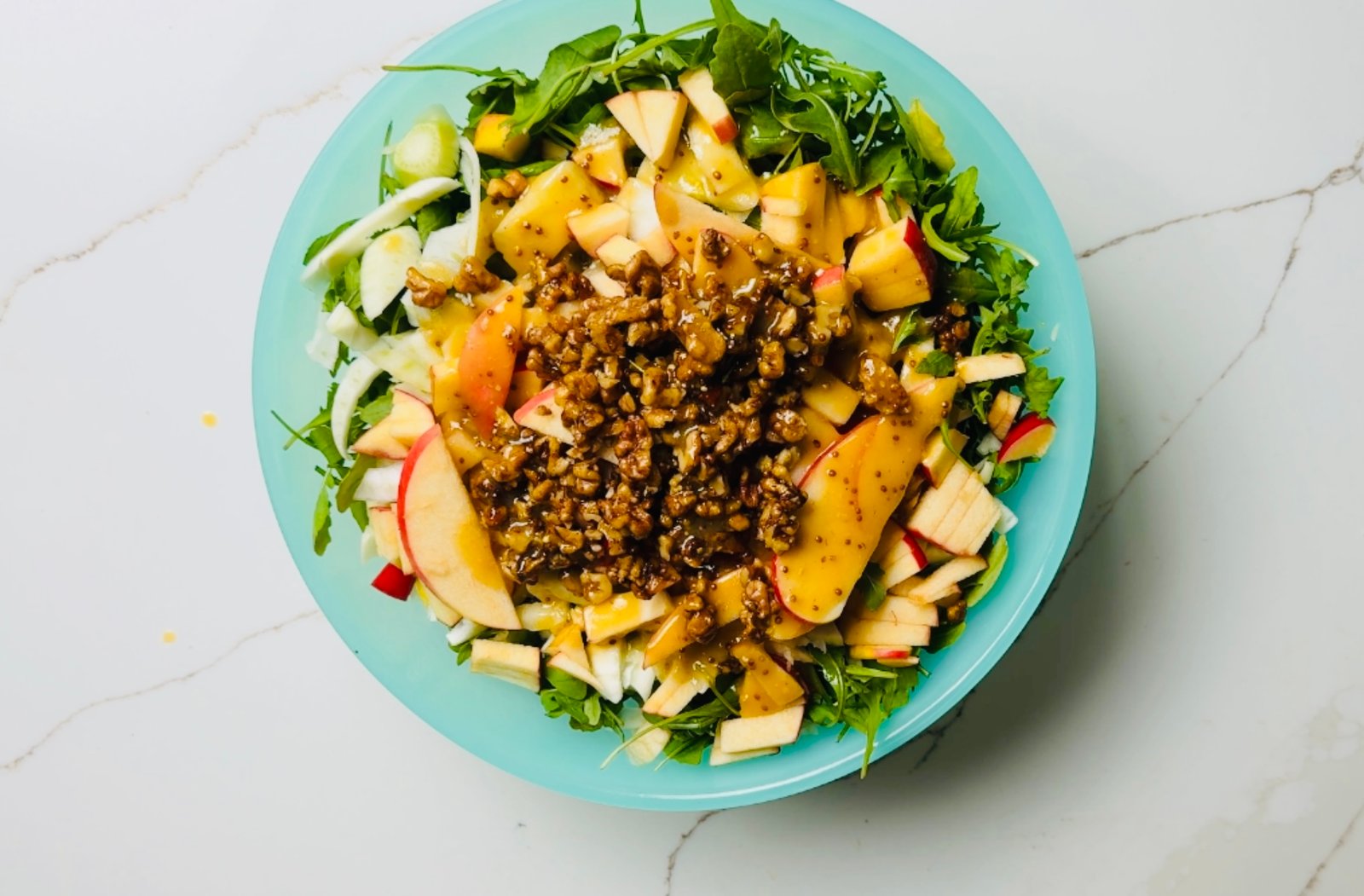
- Fennel, apple, and walnut salad
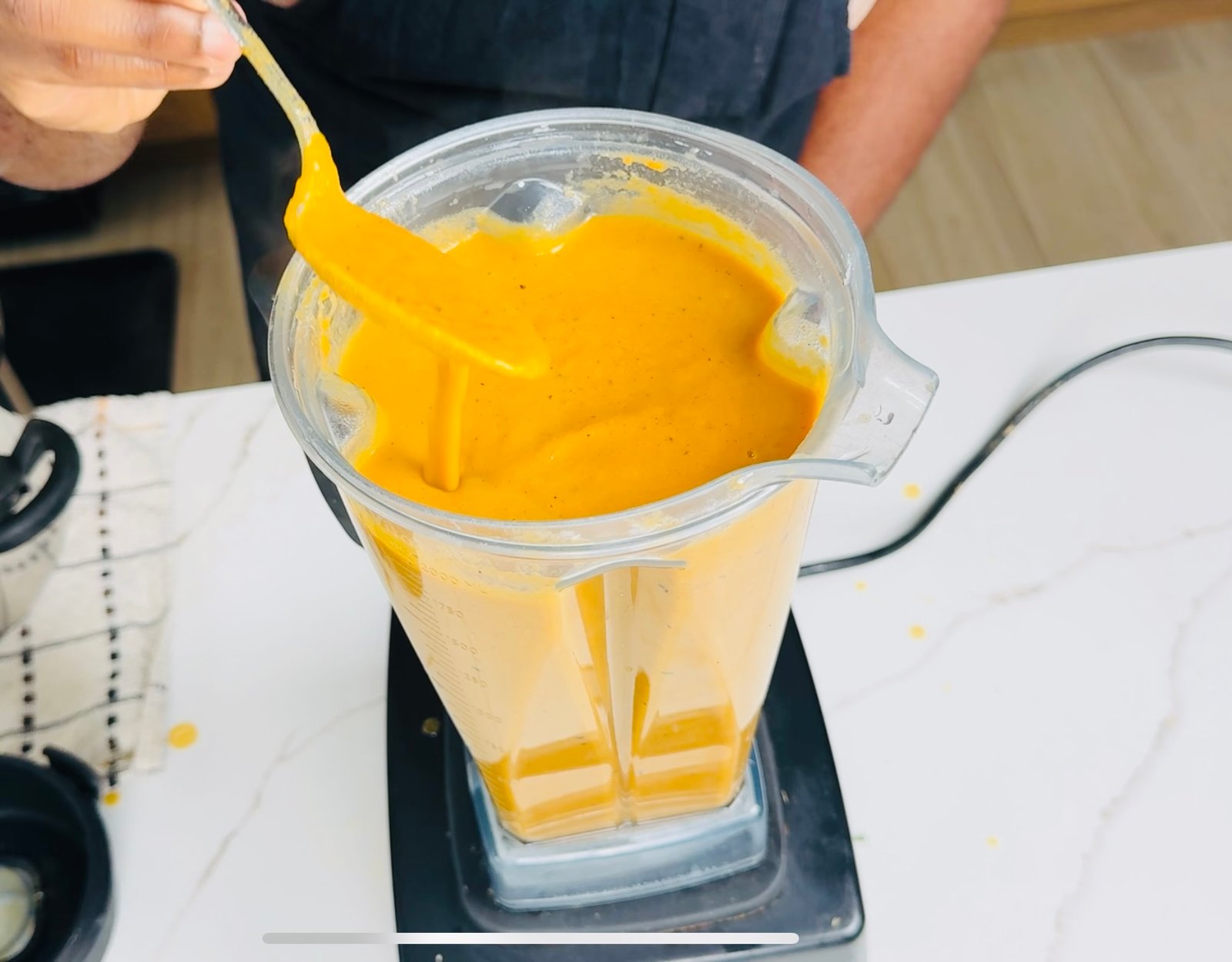
- Butternut squash soup
The salad was crisp and bright — a reset after the appetizers. The soup was warm, comforting, and forgiving. Both could be prepared ahead, which meant service stayed calm instead of rushed.
The main course
This is where planning matters most.
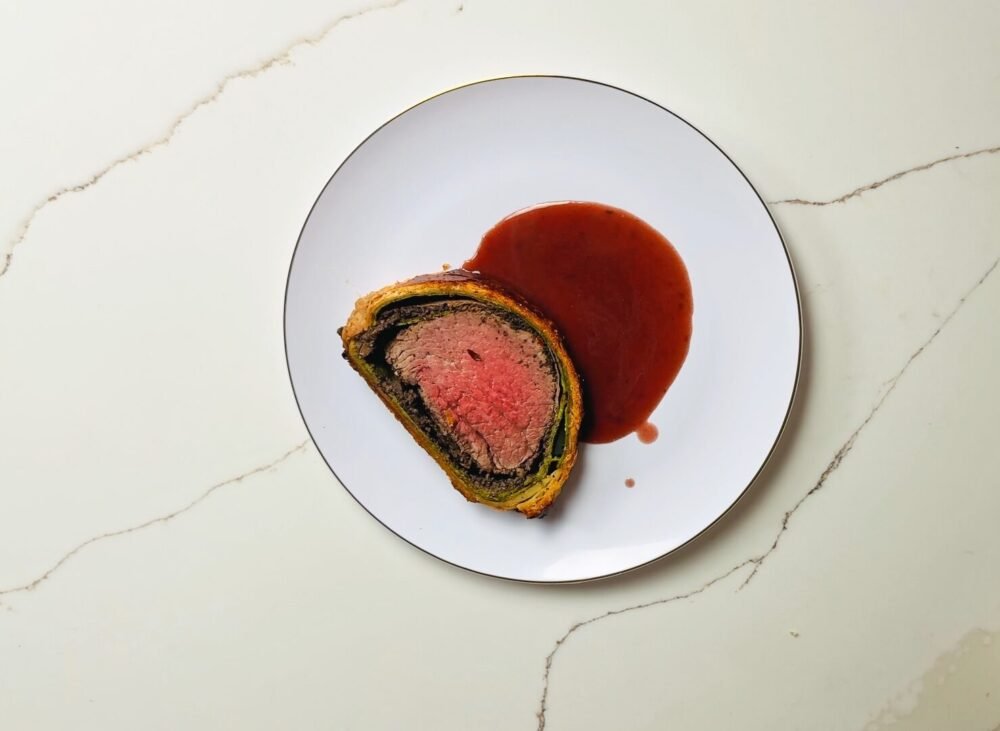
- Beef Wellington
- Potatoes au gratin
- Roasted carrots
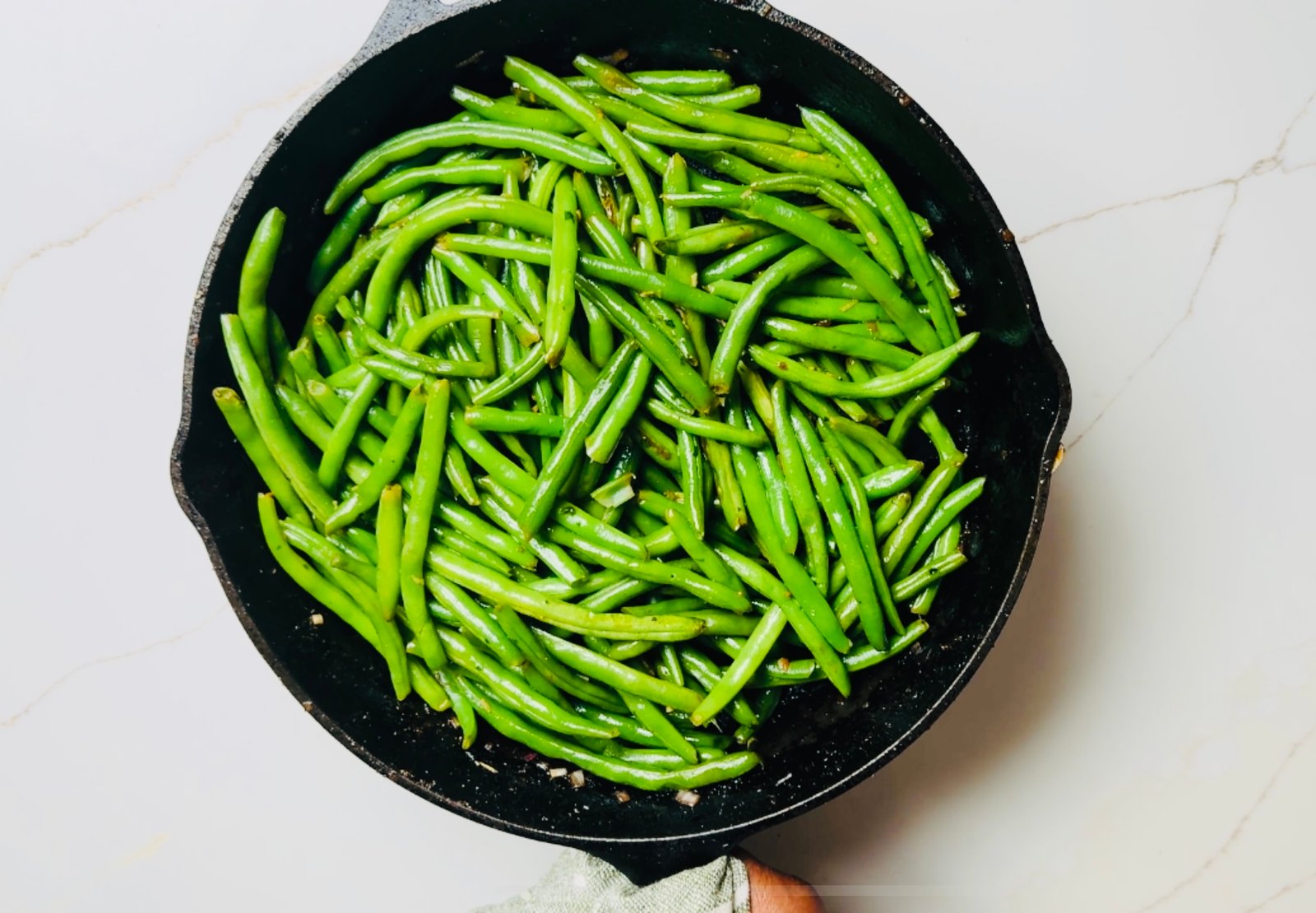
- French green beans
Beef Wellington works for a crowd only if you respect the process. Most of the real work happens before the pastry ever hits the oven. The sides were classic, reliable, and scaled beautifully without demanding attention at the last minute.
Nothing here required heroics.

Dessert and drinks
Dessert should feel generous — not stressful.
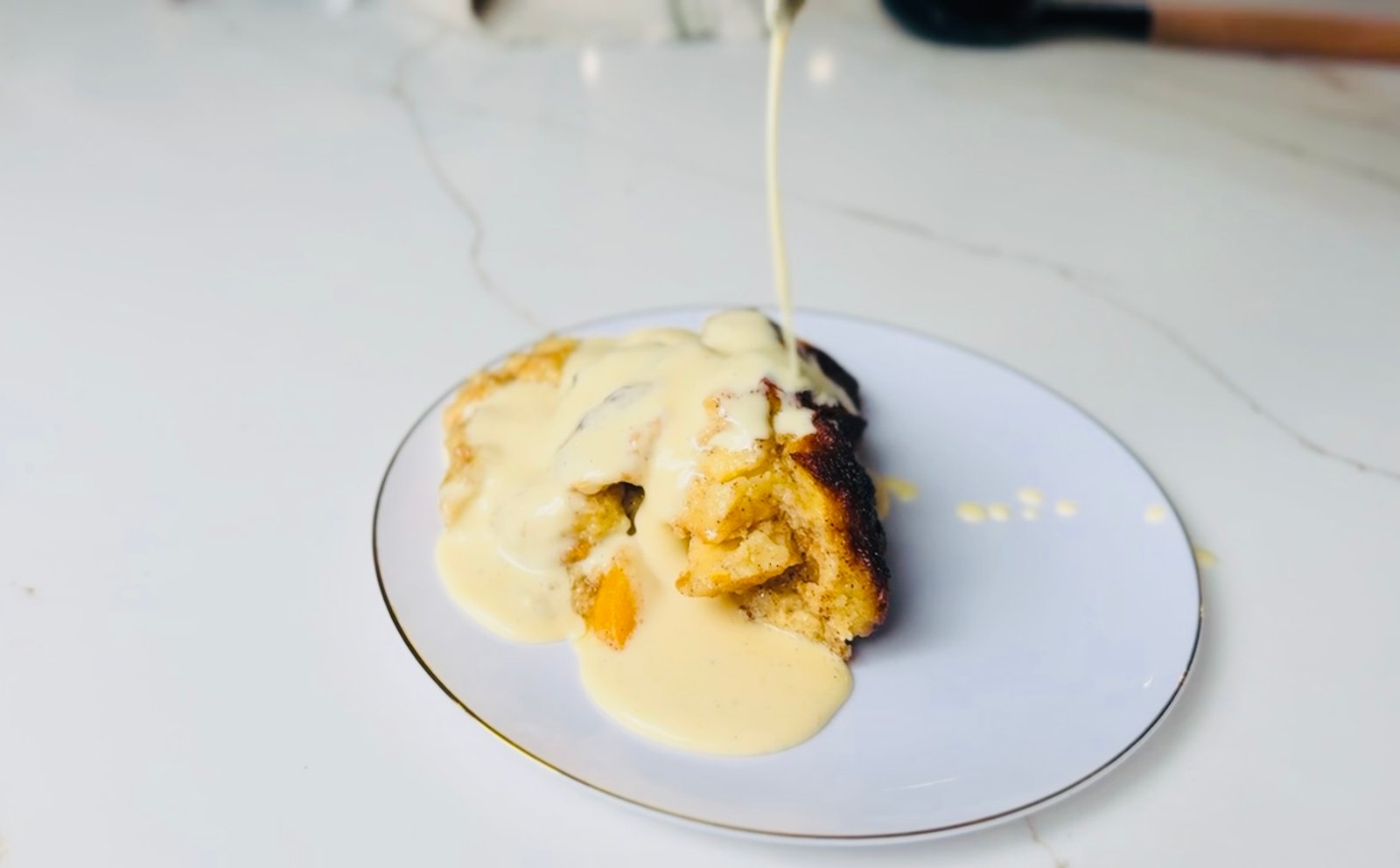
- Peach brioche bread pudding
- Hot apple cider
Earlier in the evening, we also served a large-batch punch as a signature drink for guests.
Bread pudding is one of my favorite desserts for a crowd because it can be fully baked ahead, reheats beautifully, and actually improves with rest. Paired with warm cider, it felt grounding and celebratory without adding complexity at the end of the night.
What I prepped ahead (and when)
This dinner worked because it was built on a multi-day prep plan, not a heroic day-of push. Decisions were made early so execution could stay simple.
2–3 Days Before
- Finalize menu and quantities (with extra built in)
- Complete grocery shopping in one trip
- Bake peach brioche bread pudding fully
- Prepare custards, sauces, and pantry components
- Sear beef, cook duxelles, and cool completely
- Assemble potatoes au gratin and refrigerate
By this point, the foundation was done.
1 Day Before
- Assemble and chill Beef Wellington
- Trim and prep vegetables
- Blanch French green beans and chill
- Prepare salad components (keep undressed)
- Assemble appetizer bases (whipped brie, shrimp filling)
The goal was to make the day of feel boring — in the best way.
Day Of – Morning
- Set serving dishes and utensils
- Prepare punch base and refrigerate
- Recheck quantities and serving flow
- Clear the kitchen and staging space
Final Cook Window
- Bake potatoes au gratin
- Roast carrots
- Cook and rest Beef Wellington
- Finish green beans
- Assemble caprese skewers
- Warm soup and sauces
If something slips, skip perfection — never skip execution.
Check out my video on this Dinner Party
Planning for 24… serving 30
This is where the system proved itself.
Because:
- Portions were generous
- Sides scaled easily
- Appetizers were plentiful
- Dessert was abundant
Adding six more people didn’t require adjustments — just plates.
This is why I always plan with margin. Food should support the gathering, not compete with it.
What worked especially well
A few decisions I would repeat without hesitation:
- Choosing dishes that improve when made ahead
- Building the menu around components, not just recipes
- Letting go of the idea that everything needs to be piping hot
- Serving a batch drink instead of managing individual cocktails
Each choice reduced pressure and increased presence.
What hosting dinner for 30 people taught me
Cooking for a crowd isn’t about pulling off a performance. It’s about designing food that holds up to real life.
When you plan with make-ahead components, forgiving dishes, and realistic timelines, hosting stops feeling like something to survive — and starts feeling like something you can actually enjoy.
The food does its job.
You get to do yours: be at the table.
If you’re planning a dinner like this
If you’re hosting a large group, start here:
- Choose dishes that scale and rest well
- Prep earlier than you think you need to
- Build in extra food and extra grace
Planning components ahead, choosing flexible dishes, and leaving room for the unexpected is the foundation of how I host. You’ll see it reflected throughout my Hosting & Dinner Parties and Pantry Essentials recipes.


Darby says
The article is good and clearly organized.
The site is useful and fast.
Rufus Dewanou says
Thank you for the feedback Darby. I am so glad you found it useful.