
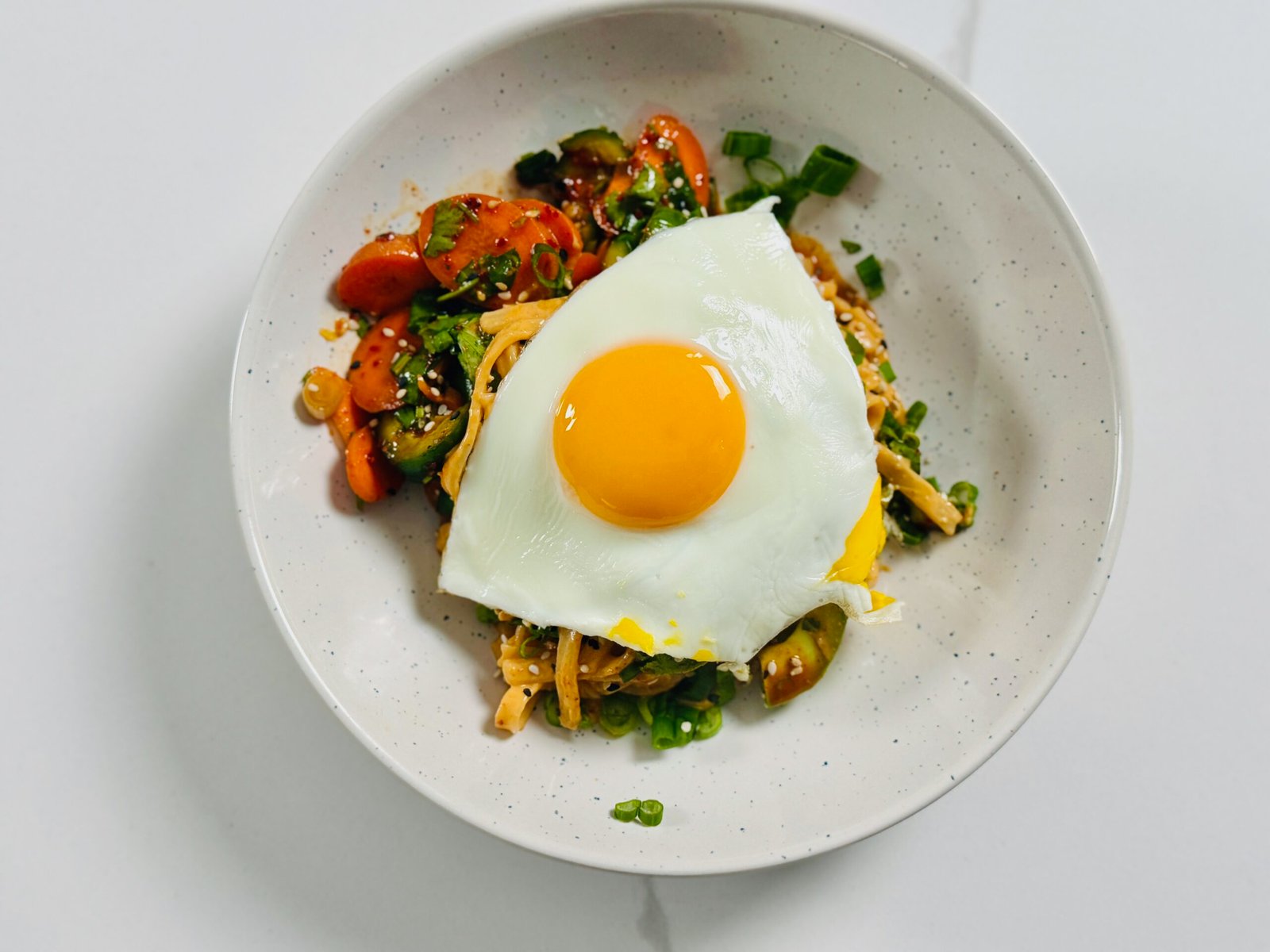
A Pantry-First Noodle Bowl You Can Make Many Different Ways
This is one of those meals I quite literally made up just this past week.
I didn’t plan it. I didn’t practice it. I wasn’t testing for the blog. I was filming some content, had a lot of ingredients sitting out on my kitchen counter, and realized I still needed to make dinner. I knew I wanted something Asian-inspired, so I went straight to my Pantry First Method framework and let that guide everything else.
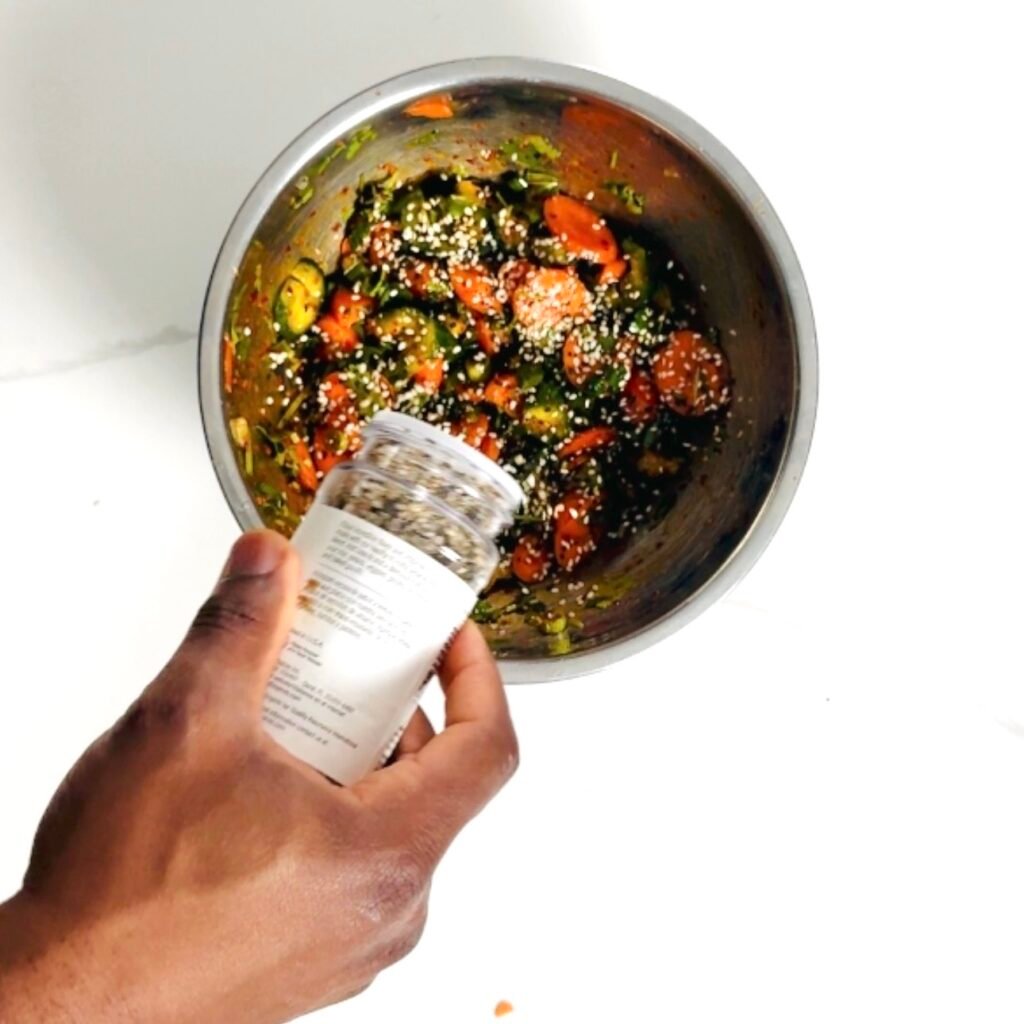
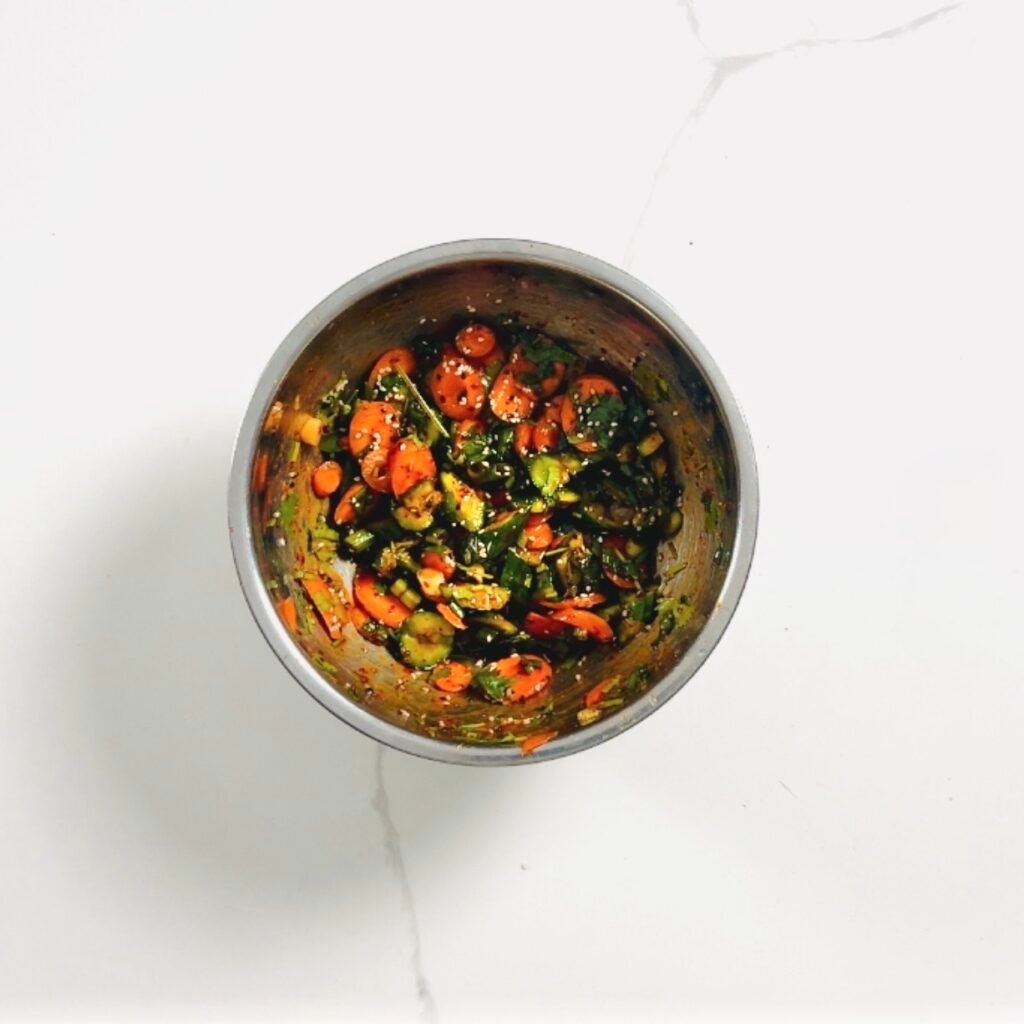
I started with the sauce. I already had my sesame ginger gochujang sauce made, and I noticed some noodles sitting nearby. From there, I just followed the formula I rely on over and over again: sauce, starch, vegetables, protein. I added a few vegetables, then realized I could turn that vegetable component into a proper side salad. That’s how the Smashed Cucumber Carrot Salad with Gochujang Chili Dressing ended up alongside the noodles.
Once that clicked, I was off to the races.
This creamy sesame peanut noodle bowl with fried egg turned out really good, the kind of meal that feels comforting and exciting at the same time. Those are always the ones worth writing down.
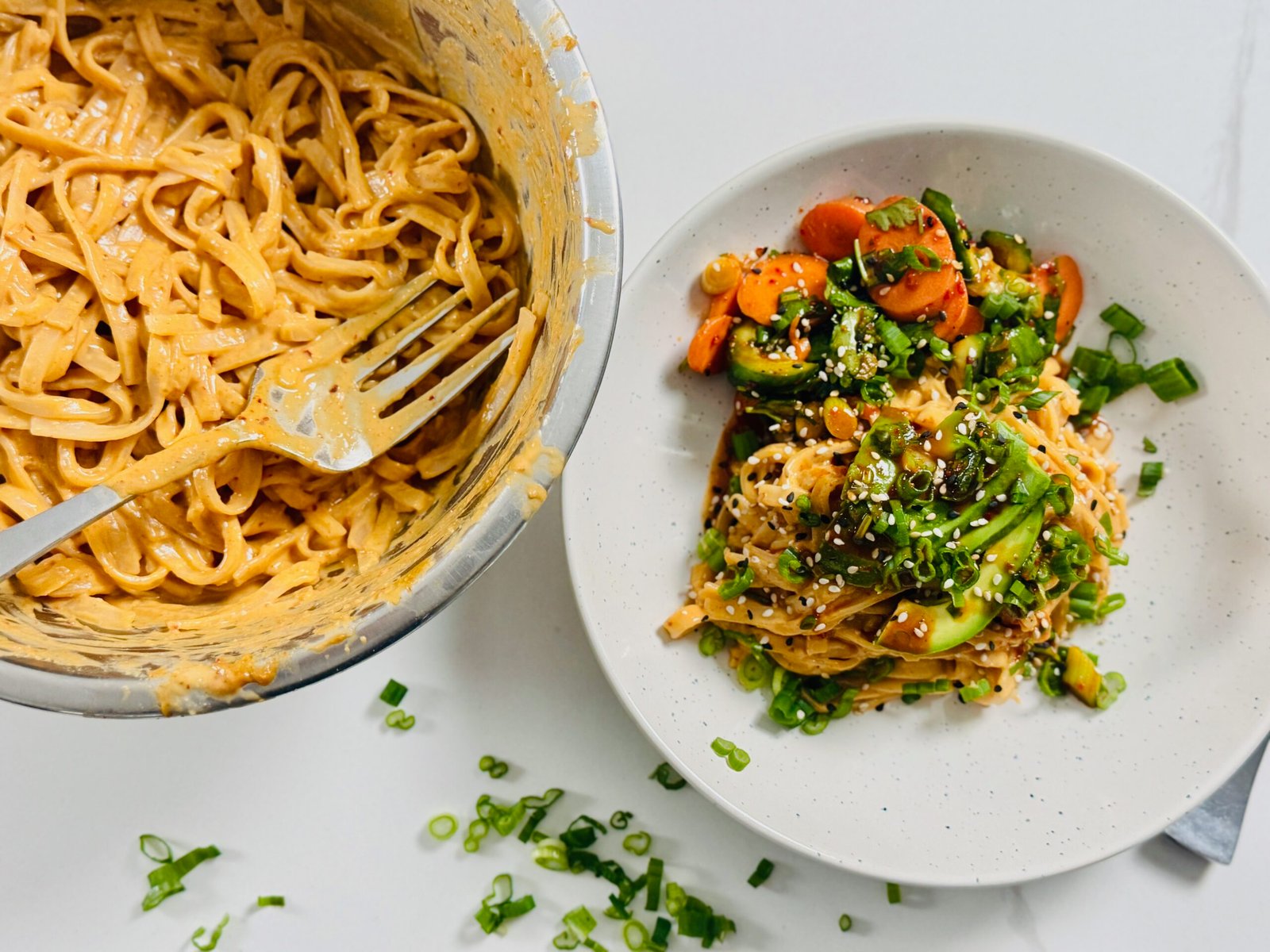
Why this noodle bowl works
What makes this noodle bowl special isn’t just the flavor, though it’s deeply savory, nutty, and just spicy enough. It’s that it’s built from a framework rather than a rigid recipe.
You’ve got a bold sauce doing most of the heavy lifting. You’ve got noodles as the starch. You’ve got freshness and crunch coming from the salad. And you’ve got protein, in this case fried eggs, bringing everything together.
Once you understand that structure, the details become flexible. That’s exactly what the Pantry First Method is about. If you want a deeper explanation of how I think about building meals this way, I walk through it step by step in my Pantry First Method guide, and I also explain how sauces anchor meals in my Five House Sauces post.
Ingredients breakdown and smart substitutions
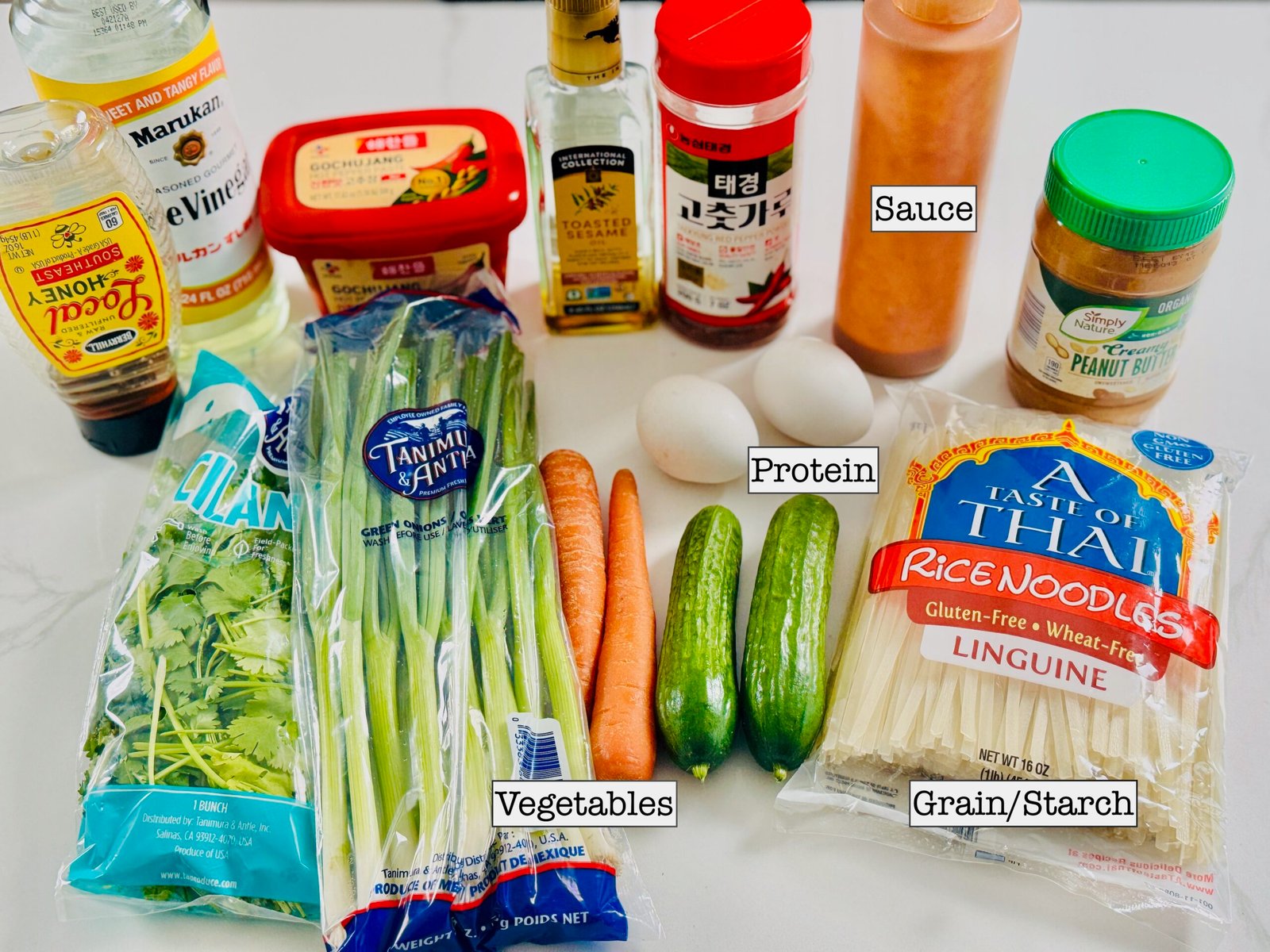
Noodles (very flexible)
Rice noodles work beautifully here, but they are not required. You can use:
- Udon noodles
- Soba noodles
- Wheat-based Asian noodles
- Fresh egg noodles
- Ramen-style noodles (without seasoning packets)
The key is cooking any noodle al dente so it holds up to the sauce. If you’ve ever ended up with gummy noodles, that’s usually a cooking issue, not a sauce issue. A good pair of tongs or chopsticks helps you separate noodles gently as you toss them .
Sesame peanut sauce
This sauce is where everything comes together. It’s built from:
- Sesame ginger gochujang sauce for heat, depth, and umami
- Creamy peanut butter for richness
- Warm water to loosen everything into a silky, pourable sauce
I like using a sturdy mixing bowl with plenty of room so I can toss without splashing. If your sauce feels too thick at any point, just add water one tablespoon at a time until it turns glossy and coats the noodles evenly.
Eggs and protein options
Fried eggs are my go-to here. The runny yolk blends into the sauce and makes the whole bowl feel luxurious.
That said, eggs are just one option. This bowl also works really well with air-fried tofu, shrimp, grilled chicken, or even leftover rotisserie chicken.
The cucumber carrot salad
This bowl is meant to be served with the Smashed Cucumber Carrot Salad with Gochujang Chili Dressing. The salad brings crunch, acidity, and freshness that balance the richness of the peanut sauce. I highly recommend making them together and serving the salad on the side rather than mixing it in.
How to cook noodles without sticking
Rice noodles, in particular, are notorious for clumping or turning mushy. Instead of boiling them, I use a cold-soak-then-hot-water method.
Soak the noodles in cold water until pliable, then briefly finish them with boiling water. This keeps them al dente and ready to absorb sauce without falling apart.
This method also works well for thinner dried noodles beyond rice noodles.
Step-by-step overview
Cook your noodles until just al dente and drain well.
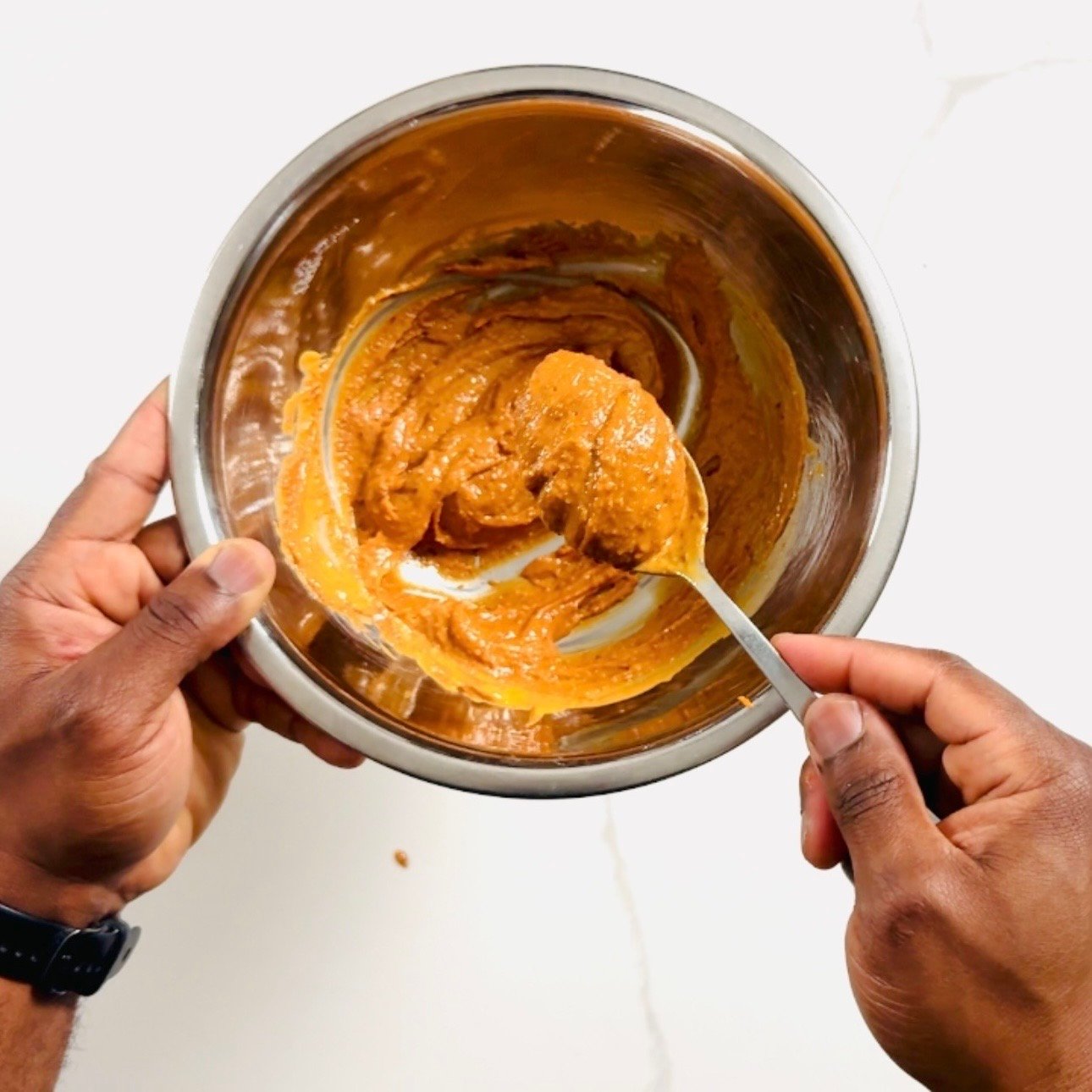
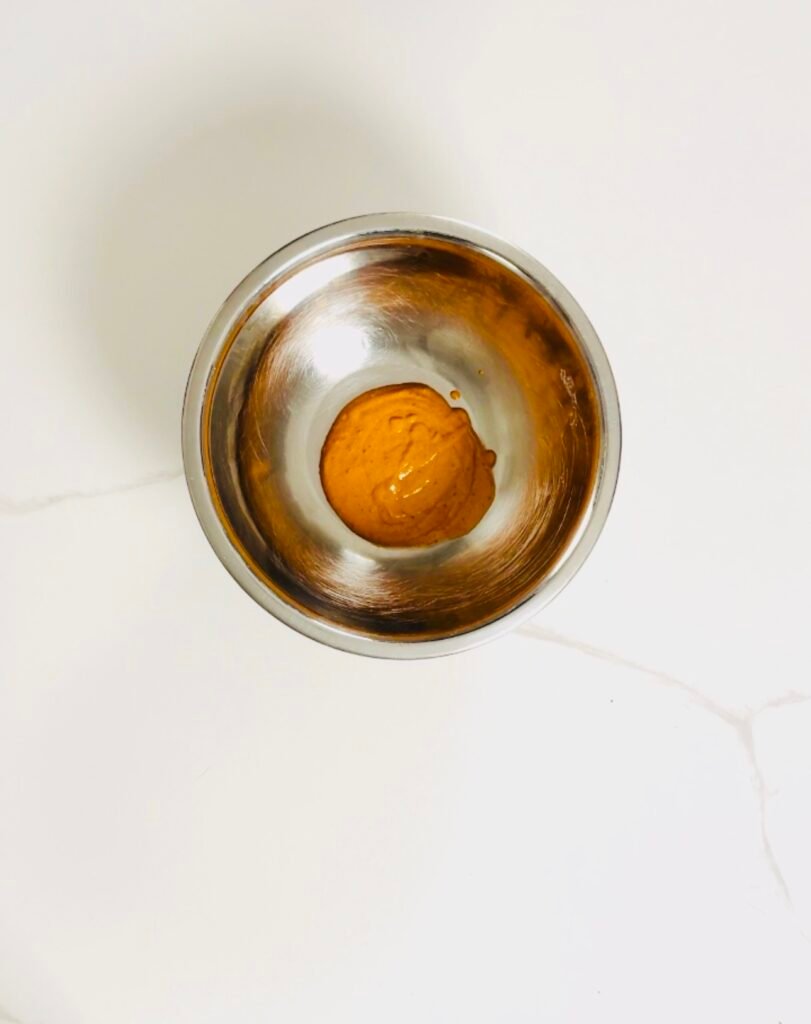
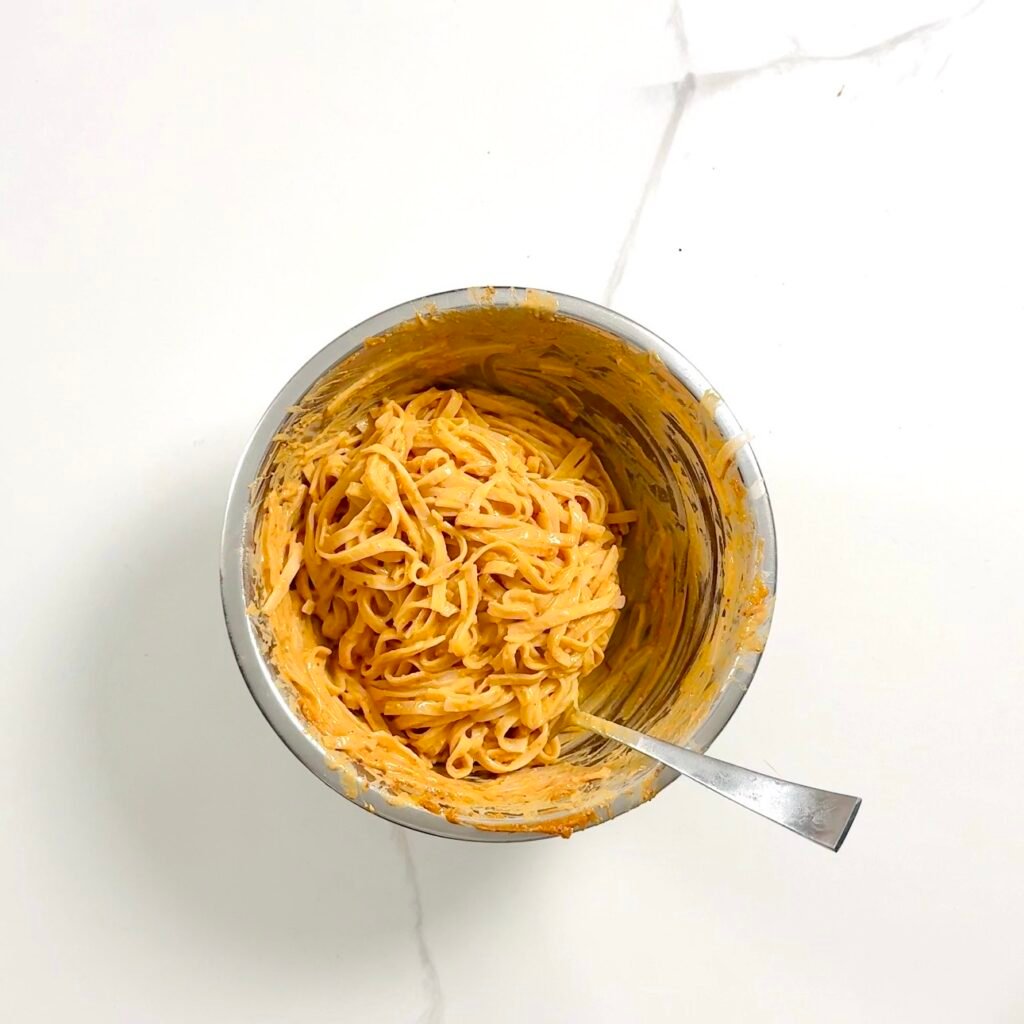
Whisk together the sesame ginger gochujang sauce, peanut butter, and warm water until smooth and creamy.
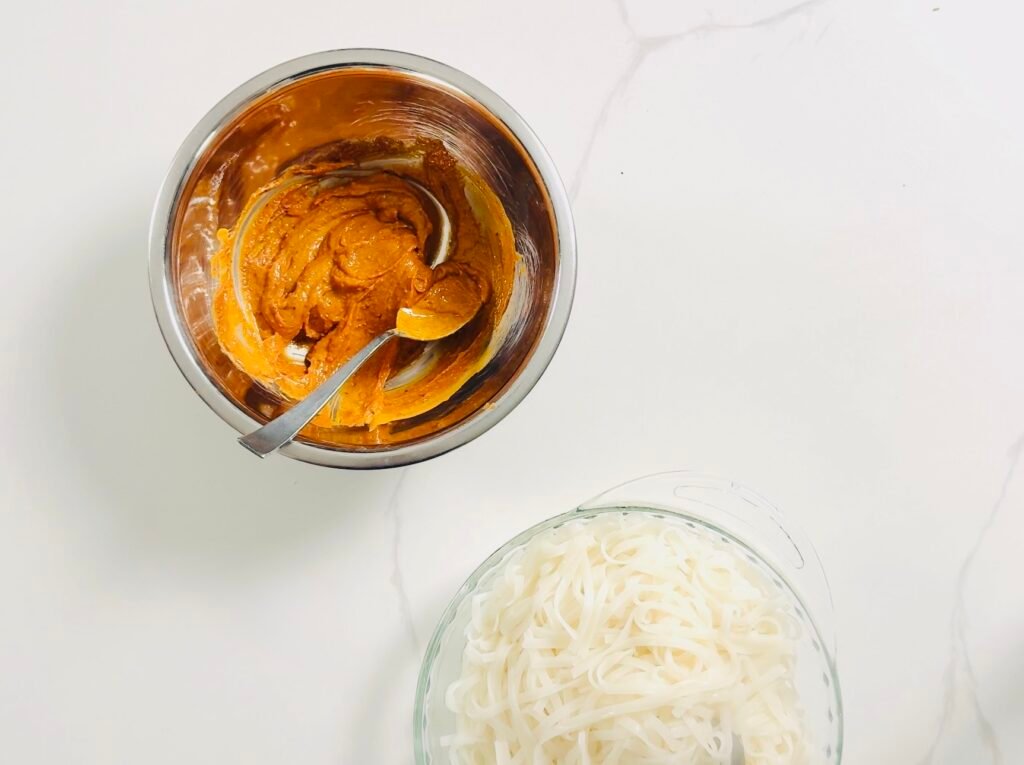
Add the warm noodles to the sauce and toss until evenly coated. If they feel sticky, add a splash of water and keep tossing.
Fry your eggs to your liking, runny yolks highly recommended.
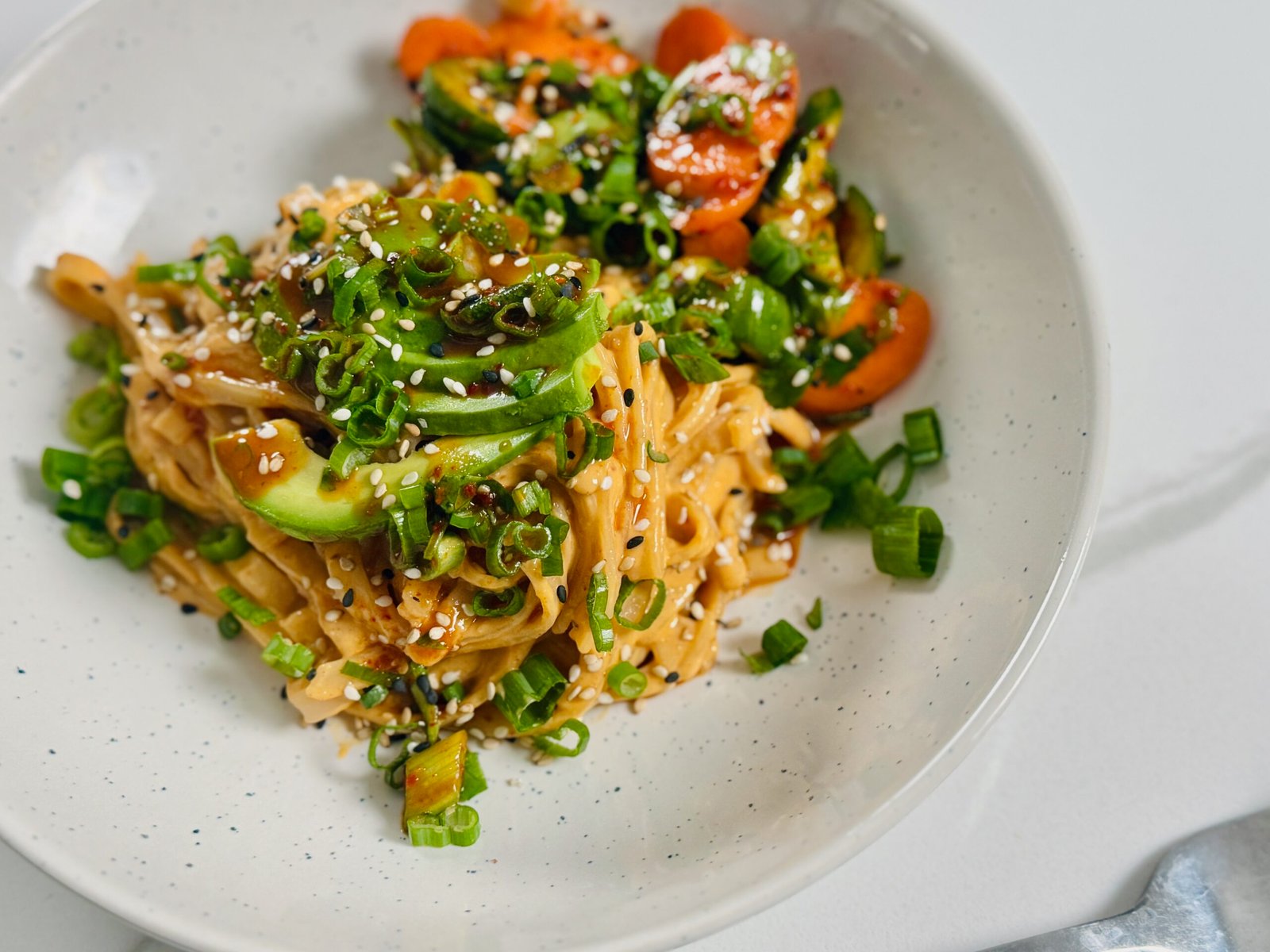
Serve the noodles topped with fried egg, sliced green onions, a drizzle of toasted sesame oil, and extra sauce if desired. Finish with chili crisp if you have it on hand. Serve immediately with the smashed cucumber carrot salad on the side.
Variations and ways to make it your own
This is where the framework really shines.
You can swap peanut butter for almond butter or cashew butter. Add sautéed mushrooms, spinach, or bok choy directly to the noodles. Use chili crisp instead of gochujang for a different heat profile. Add fresh herbs like cilantro or Thai basil. Finish with crushed peanuts or sesame seeds for texture.
As I often say, you should always feel free to modify these recipes and experiment. That’s the whole point.
Storage and make-ahead tips
This noodle bowl is best eaten fresh, especially if you’re using runny eggs. If you do have leftovers, store the noodles and sauce in an airtight container in the fridge for up to two days.
Reheat gently with a splash of water to loosen the sauce. The cucumber salad is best eaten within 24 hours for maximum crunch.
Frequently Asked Questions
Can I use a different type of noodle?
Yes. Any Asian-style noodle works here. Just cook it al dente so it holds up to the sauce.
Is this recipe spicy?
It’s mildly spicy as written. Reduce the gochujang or skip chili crisp if you want it milder.
Can I make this vegetarian or vegan?
Yes. Use tofu or tempeh instead of eggs and make sure your sauce ingredients are vegetarian.
Can I meal prep this?
You can prep the sauce and noodles ahead, but it’s best assembled fresh for the best texture.
What if my sauce is too thick?
Add warm water one tablespoon at a time until it loosens and coats the noodles smoothly.
Final thoughts
This creamy sesame peanut noodle bowl with fried egg is exactly the kind of meal the Pantry First Method was designed for. It’s flexible, comforting, and built from ingredients you likely already have.
I hope you enjoy this one as much as we did. If you make it, let me know in the comments how it turned out and what noodles or toppings you used.
Affiliate Disclosure
Some of the links above are affiliate links, which means I may earn a small commission at no extra cost to you. Thanks for supporting the blog. As an Amazon Associate, I earn from qualifying purchases.
Creamy Sesame Peanut Noodle Bowl with Fried Egg

Equipment
- Large mixing bowl
- Heatproof bowl
- Tongs or chopsticks
- Frying pan or skillet
Ingredients
Noodle Bowl
- 8 oz rice noodles
- ½ cup sesame ginger gochujang sauce
- 3 –4 tablespoons creamy peanut butter
- 2 –4 tablespoons warm water
- 3 eggs
- Sliced green onions for topping
- Toasted sesame oil for finishing
- Chili crisp optional
For Serving
- Extra sesame ginger gochujang sauce for drizzling
- Smashed cucumber carrot salad with gochujang chili dressing
Instructions
Cook the rice noodles using the no-stick method
- Place dry rice noodles in a large bowl and cover completely with cold water. Let soak for 30–60 minutes until pliable but slightly opaque in the center. Drain well. Return noodles to the bowl and pour boiling water over them just to cover. Let sit 1–2 minutes, gently separating with tongs. Drain immediately. Noodles should be al dente.
Make the peanut sauce
- In a large bowl, whisk together sesame ginger gochujang sauce, peanut butter, and 2 tablespoons warm water until smooth. Add more water as needed until creamy and pourable.
Toss the noodles
- Add warm noodles to the sauce and toss until evenly coated. If the noodles feel sticky, add 1–2 tablespoons water and keep tossing until glossy.
Fry the eggs
- Fry eggs to your liking, with runny yolks recommended.
Assemble and serve
- Divide noodles between bowls. Top with fried egg, green onions, a drizzle of sesame oil, and extra sauce if desired. Serve immediately with smashed cucumber carrot salad on the side.
Notes
Chili crisp adds incredible texture and heat.
Sauce can be made ahead and stored up to 5 days.
Rufus Dewanou says
The Colorful Pantry