
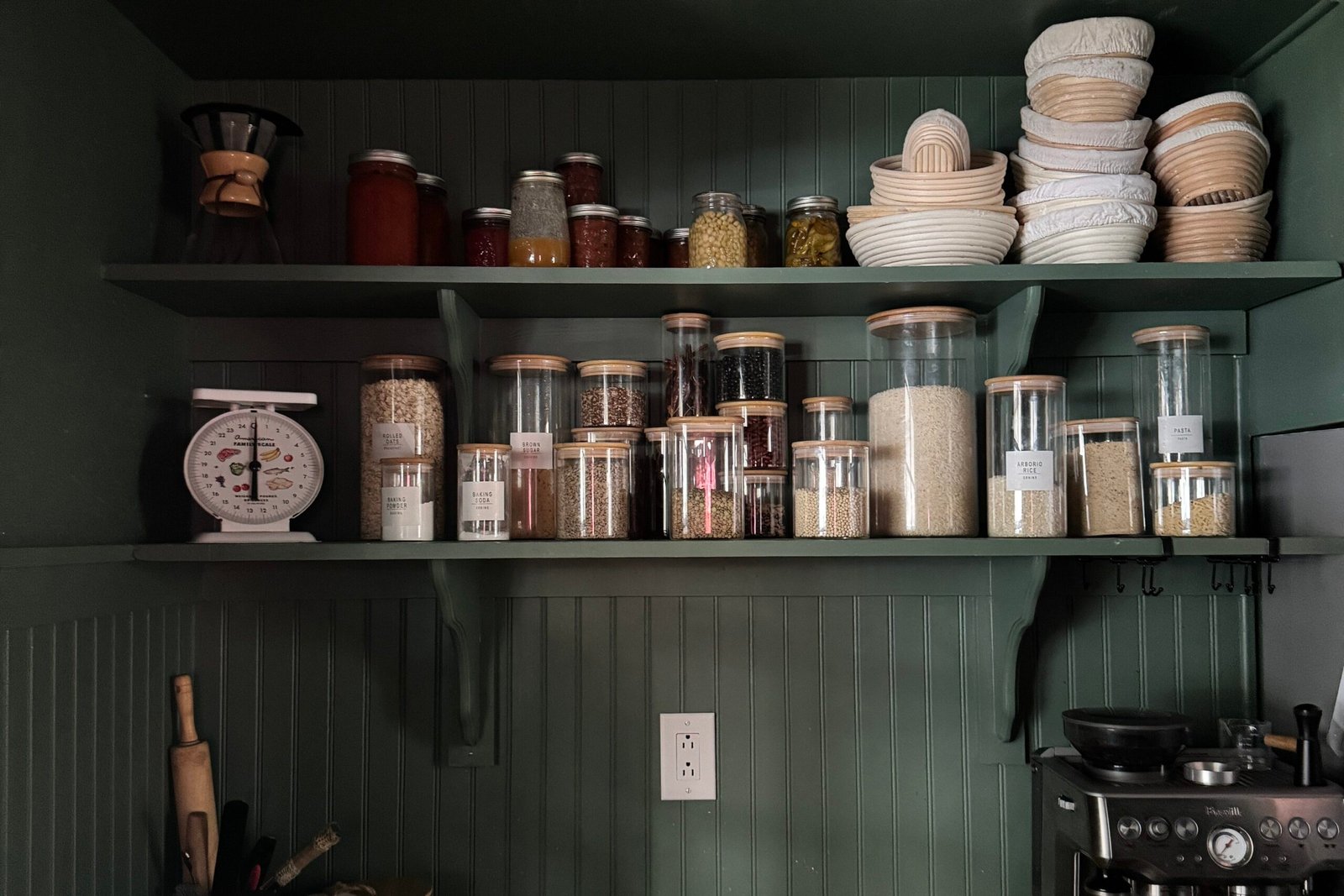
Every evening, around the same time, the same question comes up.
“What’s for dinner?”
If you cook often — especially for a family — you know this moment. The fridge is open. The day has already been long. You’re not looking for inspiration or something impressive. You’re just trying to put a good meal on the table without turning it into a whole thing.
At The Colorful Pantry, we believe dinner doesn’t need to be perfect, trendy, or brand new to be meaningful.
It needs to be doable.
It needs to be flexible.
And it needs to work in real life.
That belief is what led us to the Pantry-First Method — the calmer way we cook well, feed our family, and actually enjoy a delicious dinner.
The short version: choose a flavor direction, choose the meal format, then build the meal from the protein, vegetables, starch, and flavor builders you already have. You are not starting from a blank page every night.
FREE GUIDE + WEEKLY NEWSLETTER
Want a simple way to put Pantry First into practice?
Join Come Cook With Me for weekly recipes and kitchen ideas, and I’ll send you the Pantry-First Guide as a welcome gift.
Get the Guide →What Is the Pantry-First Method?
The Pantry-First Method is a simple system for building flavorful, satisfying meals using what you already have — without rigid meal plans, full-week meal prep, or last-minute stress.
Instead of starting with the question “What recipe should I make?”, we start with something much simpler:
Flavor.
From there, everything else falls into place.
The same ingredients can become bowls, salads, stir-fries, tacos, or burgers. By changing the sauce or the format meals feel intentional without being complicated. Repetitive ingredients stop feeling repetitive.
It’s not about cooking more.
It’s about cooking smarter, with rhythm.
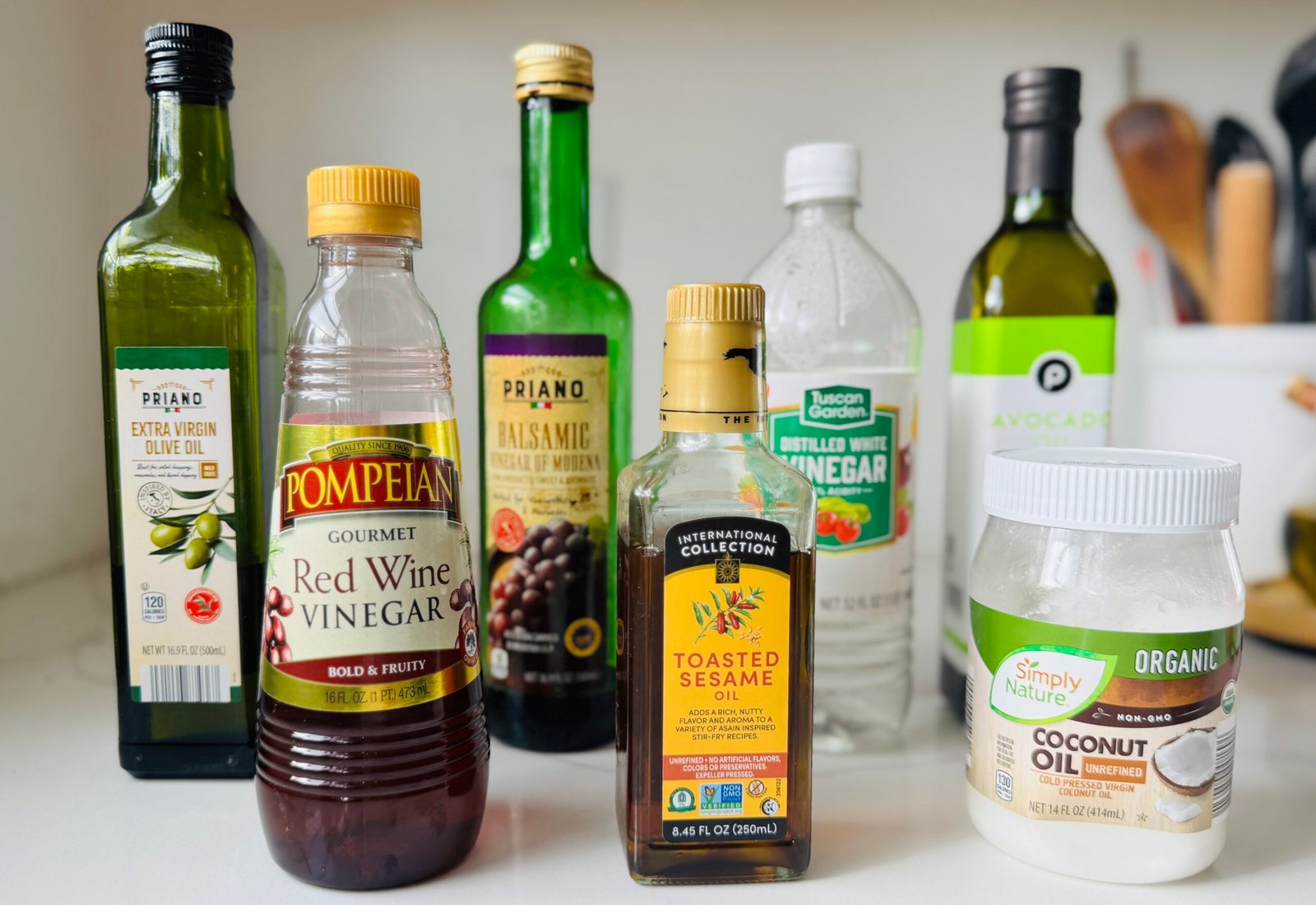
The Pantry-First Method (A 3-Step System)
This entire approach can be broken down into three simple steps.
Step 1: Choose the Flavor Vibe
Before you think about protein or recipes, decide how you want dinner to feel.
Do you want something:
- Smoky and bold?
- Fresh and herby?
- Creamy and comforting?
- Bright and citrusy?
This is where flavor builders come in.
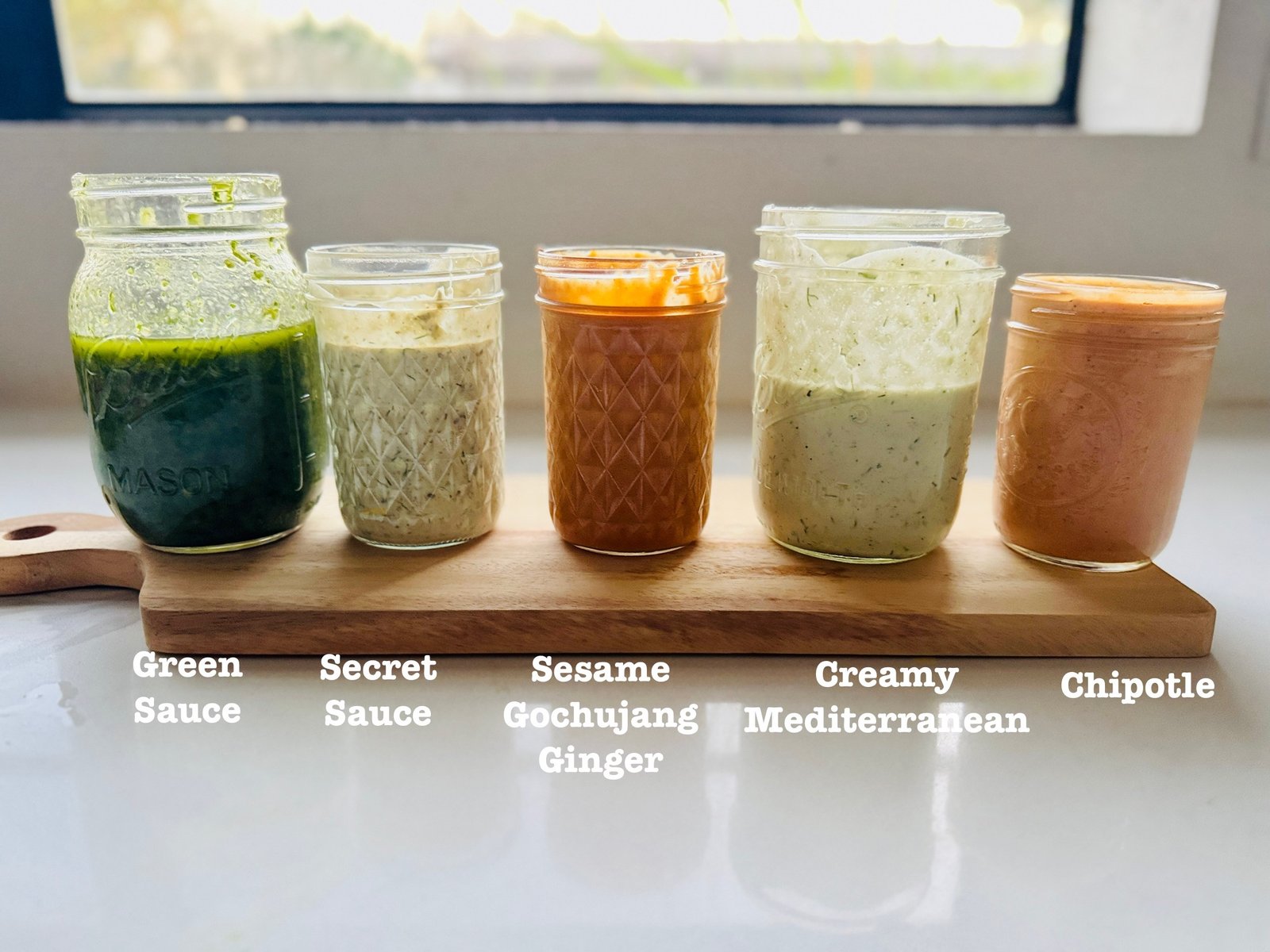
A sauce can set the direction and finish the meal. A marinade can start the protein and point you toward the rest of dinner. The goal is the same: choose the flavor first so the ingredients stop feeling like unrelated parts.
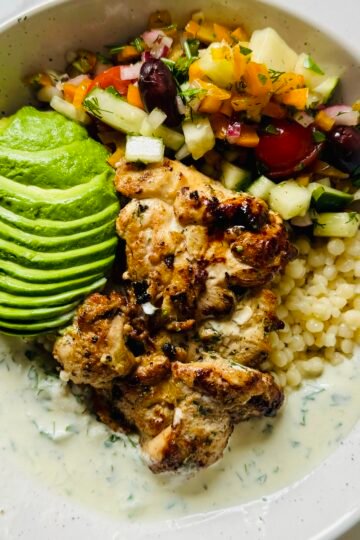
If you want a simple starting point, use the Five House Sauces. For a marinade example that is already fully published, start with Mojo Citrus Garlic or see the yogurt-marinated chicken in my Greek Chicken Bowls.
Step 2: Choose the Meal Style
Next, decide how you want to eat — not what you want to cook.
This keeps dinner interesting without adding effort.
Some of our most common meal styles:
- Bowls – grain + vegetables + protein + sauce
- Salads - Lettuce + vegetables + protein + sauce
- Sheet-pan dinners – everything roasted, sauce added at the end
- Stir-fries – fast, flexible, great for leftovers
- Handhelds – tacos, tostadas, wraps, burgers
Same pantry. Same sauces.
Different night, different experience.
Step 3: Build the Meal
This is the simple formula I come back to:
- 1 flavor direction — usually a sauce, marinade, or other flavor builder
- 1 protein — meat, seafood, eggs, beans, chickpeas, or tofu
- 2 or more vegetables
- 1 grain or starch
Then choose the format — bowl, salad, sheet pan, stir-fry, taco, wrap, burger, or something else — and finish with whatever contrast the meal needs: a fresh sauce, herbs, acid, crunch, or something pickled.
That’s it. Everything is interchangeable, and everything adapts to what you have. Vegetarian? Easy.
Cooking for picky eaters? Still works.
Missing an ingredient? You adjust.
The system bends but it doesn’t break.

What a Pantry-First Kitchen Actually Looks Like
A Pantry-First kitchen isn’t about stocking everything. It’s about stocking enough to make dinner inevitable.
Here’s how we think about it.
Grains & Starches
(Choose 3–4 each week for variety)
- Rice
- Quinoa
- Noodles
- Potatoes or sweet potatoes
Proteins
(Quick-cooking, flexible options)
- Chicken
- Fish
- Eggs
- Beans or chickpeas
- Tofu
Vegetables
(Foundation ingredients that work across cuisines)
- Onions
- Bell peppers
- Carrots
- Greens
- Tomatoes
- Garlic
- Avocado
- Citrus
The Extras That Make Meals Feel Intentional
- Fresh herbs
- Cheese
- Tortillas or buns
- Butter or olive oil
With these on hand, dinner is never a dead end — it’s a decision.
What This Looks Like in Real Life
Here’s how the Pantry-First Method plays out in our kitchen:
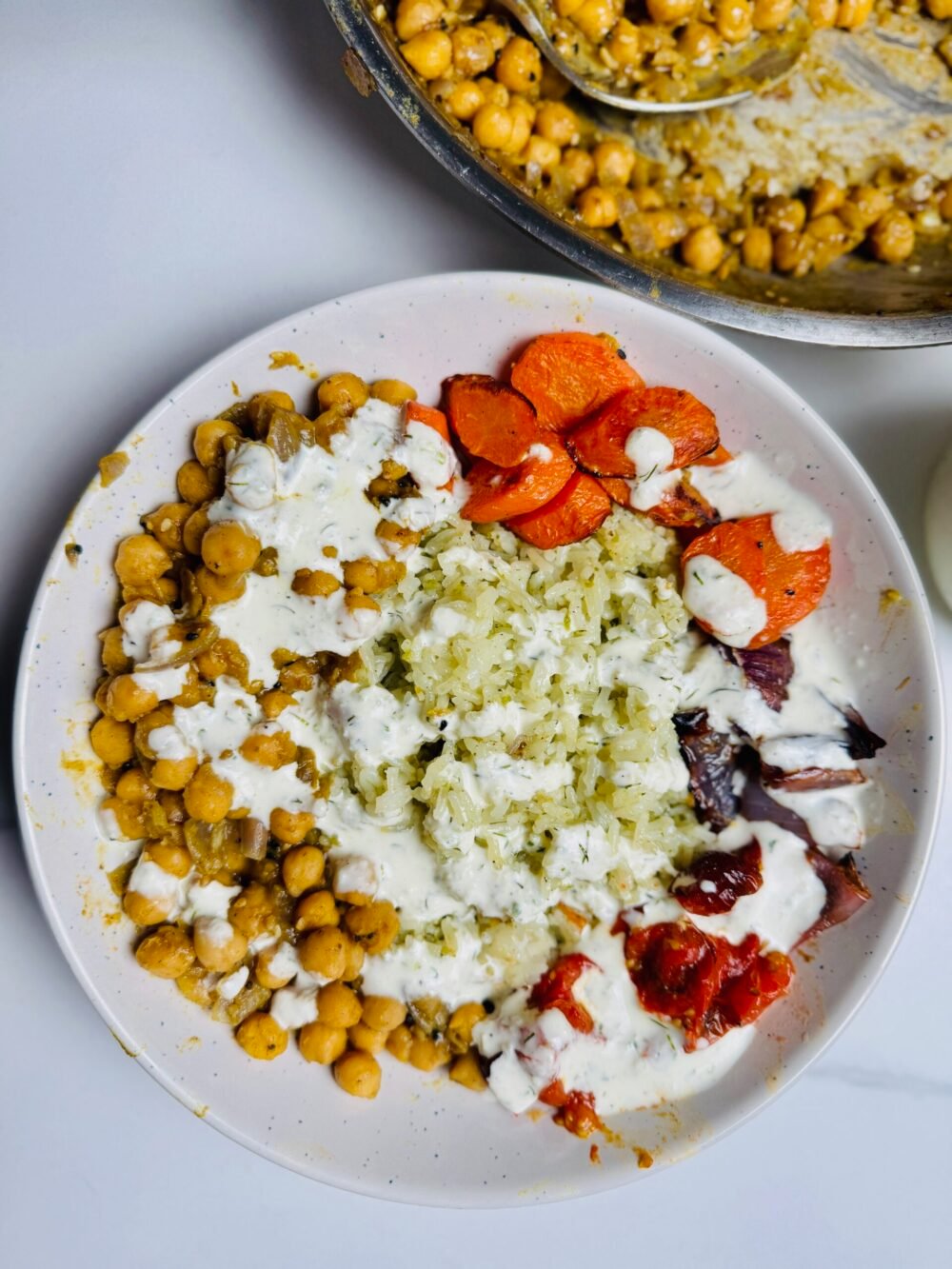
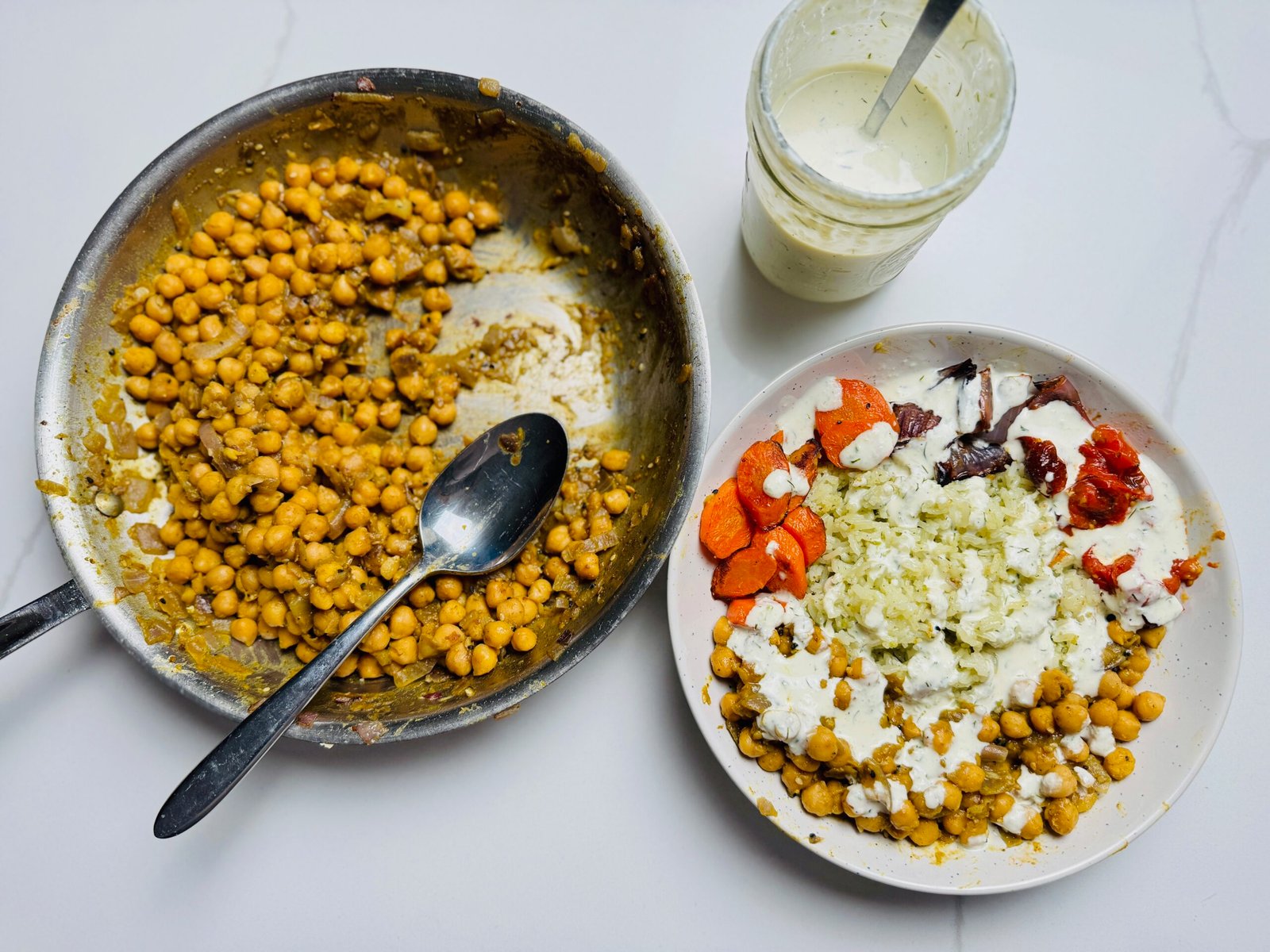
- Curry Chickpea bowl with roasted vegetables and a creamy sauce
- Black bean tostadas finished with a smoky chipotle sauce
- Creamy Sesame Peanut Noodle Bowls that show how a sauce can carry a simple bowl of noodles, vegetables, and egg
- Salmon Burgers with Creamy Old Bay Dill Sauce, where one finishing sauce turns a simple burger into a complete flavor direction
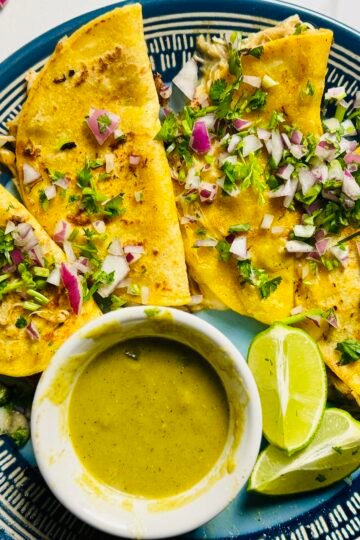
- My crispy mojo chicken tacos are a good example: mojo sets the flavor direction, tortillas choose the handheld format, chicken supplies the protein, and salsa, onion, cilantro, and lime finish the meal.
Same structure. Different night.
No boredom. No burnout.
Why This Works (Especially for Families)
This method works because it respects how real life actually functions.
It:
- Reduces decision fatigue
- Makes leftovers useful instead of sad
- Adapts to changing schedules
- Teaches how to cook, not just what to cook
Most importantly, it makes dinner feel manageable again — even on busy, ordinary nights.
Meals don’t need to be perfect to be meaningful.
If You’re Standing in the Kitchen Right Now…
If you’re reading this with the fridge open and no plan yet, start here:
- Pick the flavor direction or flavor builder
- Pick the meal style
- Build with the protein, vegetables, and starch you already have
You don’t need a new recipe tonight.
You need a system that meets you where you are.
That’s what the Pantry-First Method is for.
Cook This Way With Us
At The Colorful Pantry, you’ll find:
- Pantry sauces designed to work across meals
- Weeknight dinners that can work especially well with this approach, like my veggie tostadas.
- Flexible recipes you can adapt when this way of cooking is useful
We hear it all the time that cooking isn’t really about recipes, it’s about technique. I’d take that a step further and say it’s about understanding flavor. How flavors interact, how they balance each other, and how contrast makes food interesting.
When I think about building meals, I’m rarely thinking about a single recipe. I’m thinking about assembling the right pieces. Over time, you start to notice patterns. Many of the best meals you’ve ever had didn’t do a hundred things well. They did a few things exceptionally well. They played with flavor, texture, contrast, and balance.
This method is built with that in mind. It’s meant to be approachable. It gives families room to experiment, but with guardrails in place. It’s intentionally broad, because flexibility is what makes cooking sustainable and enjoyable in real life.
Welcome to cooking with rhythm.
Comments
No Comments