
This mojo marinade with orange juice and lime is one of those recipes I come back to again and again because it makes dinner feel easy. It's bright, garlicky, citrusy, and packed with flavor, but it doesn't require any hard-to-find ingredients or extra steps.
Traditional mojo is usually made with sour orange, also known as naranja agria. If you can find it, it's wonderful. But most of the time, I don't have it on hand, and honestly, I don't want a recipe that depends on a special grocery trip. That's why I make this version with orange juice and fresh lime juice instead.
The orange juice brings sweetness and body, while the lime adds the acidity that keeps everything balanced. Add plenty of garlic, a little onion, oregano, oil, salt, and pepper, and you end up with a marinade that tastes fresh, vibrant, and incredibly versatile.
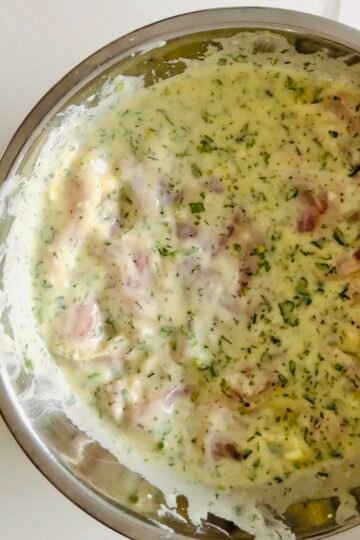
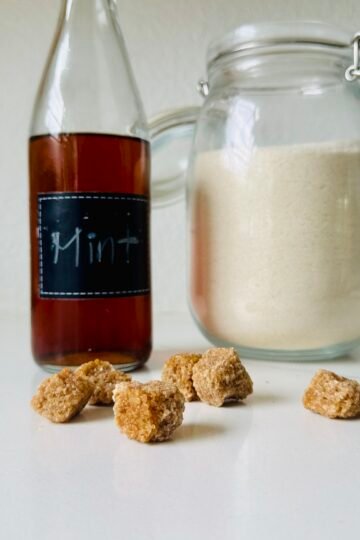
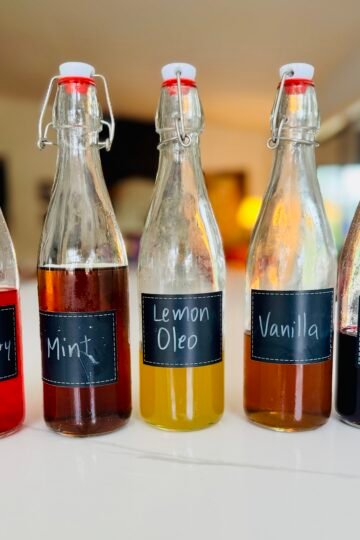
This is exactly the kind of recipe that fits into my Pantry First approach to cooking. It is also part of my Flavor Builders system: marinades start the meal, sauces finish it, and syrups start drinks. You're not committing to a specific meal. You're creating a flavor base that can become tacos, rice bowls, grilled chicken, roasted pork, shrimp skewers, or whatever sounds good that night.
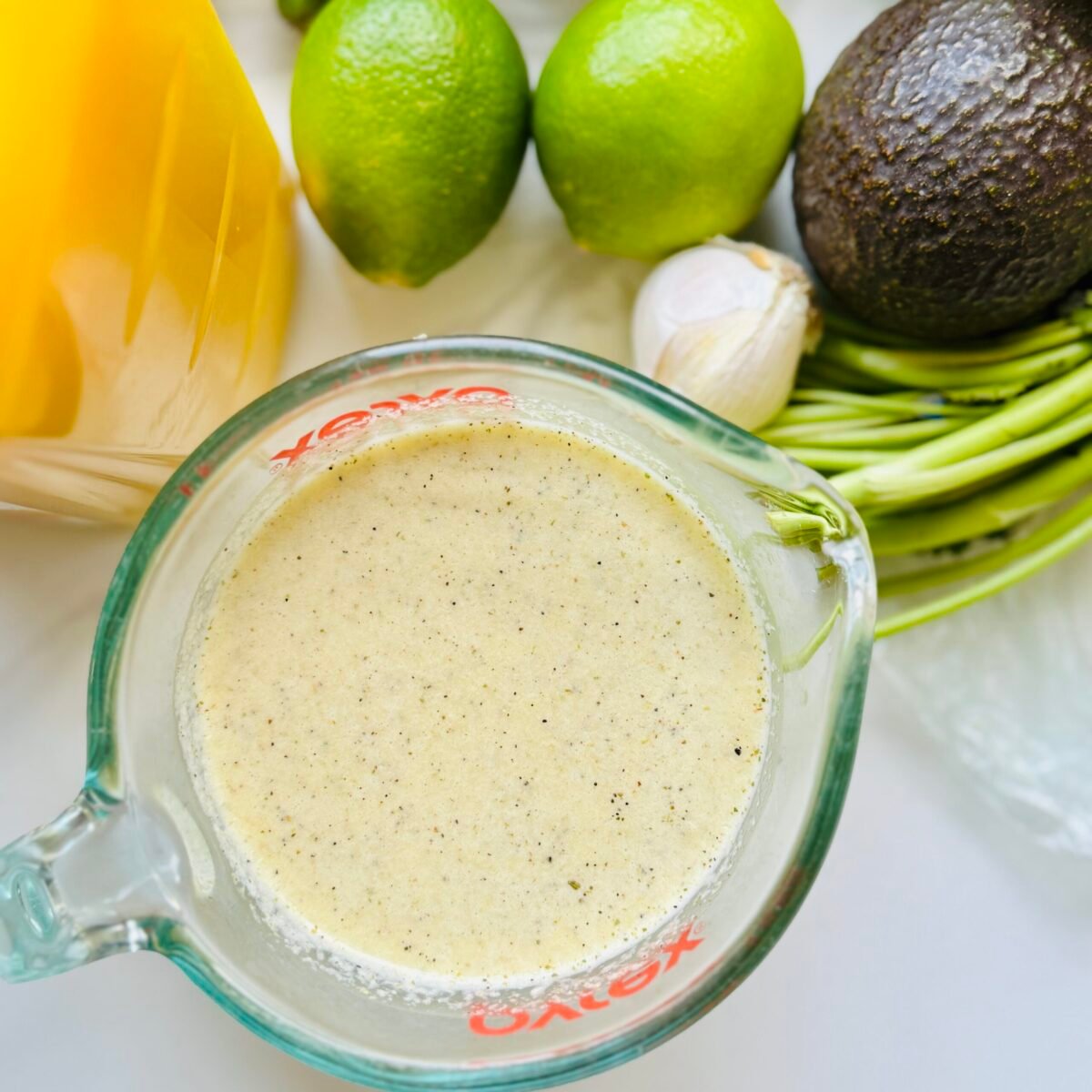
What this mojo marinade tastes like
The best way to describe this marinade is bright and garlicky.
The orange juice adds a subtle sweetness, but it shouldn't taste sweet. The lime keeps everything sharp and fresh, while the garlic gives it that unmistakable mojo flavor.
The onion adds a little savory depth, and the oregano brings an earthy note that rounds everything out. If you decide to add cumin, you'll get a slightly warmer flavor that works especially well with chicken and pork.
What I love most about this recipe is the balance. Orange juice alone would be too sweet. Lime juice alone would be too aggressive. Together, they create something that feels fresh, lively, and surprisingly close to the flavor profile that sour orange brings.
Why you will love this recipe
This marinade takes less than 10 minutes to make, and the blender does almost all of the work.
There is no mincing garlic by hand, no mortar and pestle, and no need to make a separate garlic paste. You add everything to a blender or use an immersion blender, blend until smooth, and end up with a bright citrus garlic marinade that is ready for chicken, pork, shrimp, steak, or vegetables.
That makes this recipe especially helpful for real life dinners. It gives you fresh flavor with very little prep, and it tastes so much better than most store bought marinades because the orange juice, lime, garlic, onion, and oregano are blended fresh.
Key ingredients and why they matter
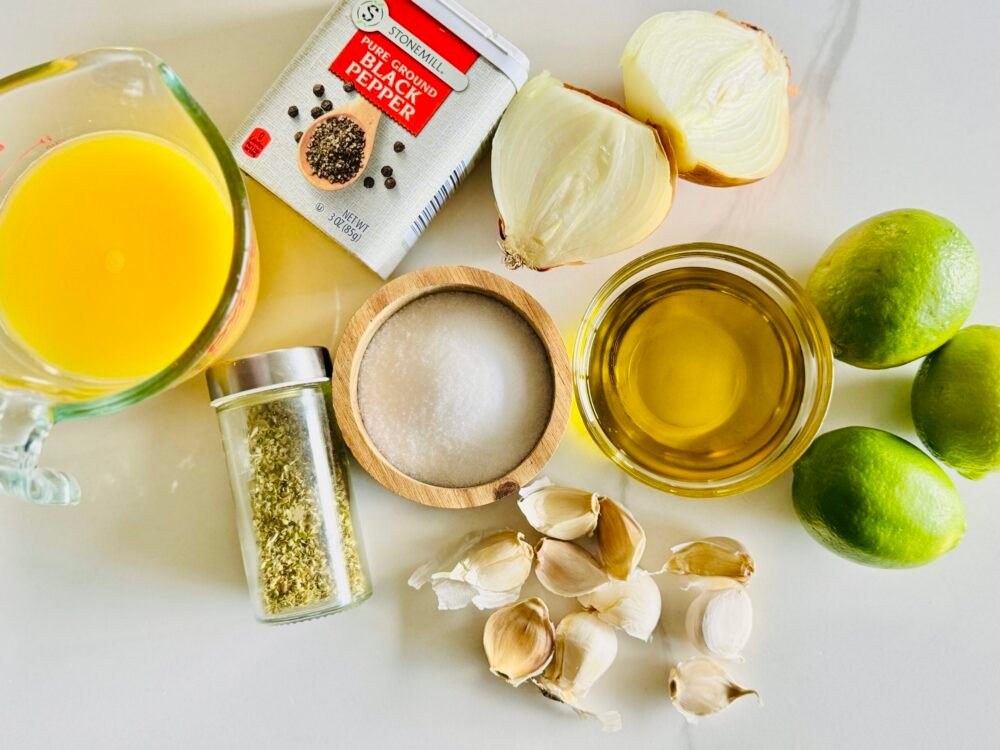
Orange juice
Orange juice provides sweetness and citrus flavor. Fresh squeezed is always my first choice, but bottled orange juice works perfectly well when that's what you have.
Lime juice
The lime is what keeps everything balanced. Without it, the marinade can lean too sweet. Fresh lime juice makes a noticeable difference here.
Garlic
Mojo is supposed to be garlicky, so don't be shy. Using a full head of garlic gives this marinade its signature flavor.
White onion
A little finely minced onion adds savory depth and helps round out the citrus.
Dried oregano
Oregano adds an earthy, herbal note that ties everything together.
Oil
Oil helps carry all of those flavors into whatever you're marinating. Olive oil adds richness, while a neutral oil keeps the flavor lighter.
Salt and black pepper
These simple ingredients make everything else taste better. If the marinade tastes flat, it usually needs a little more salt.
How to make blender mojo marinade with orange juice and lime
This is a true blender marinade, which is part of why I love it so much.
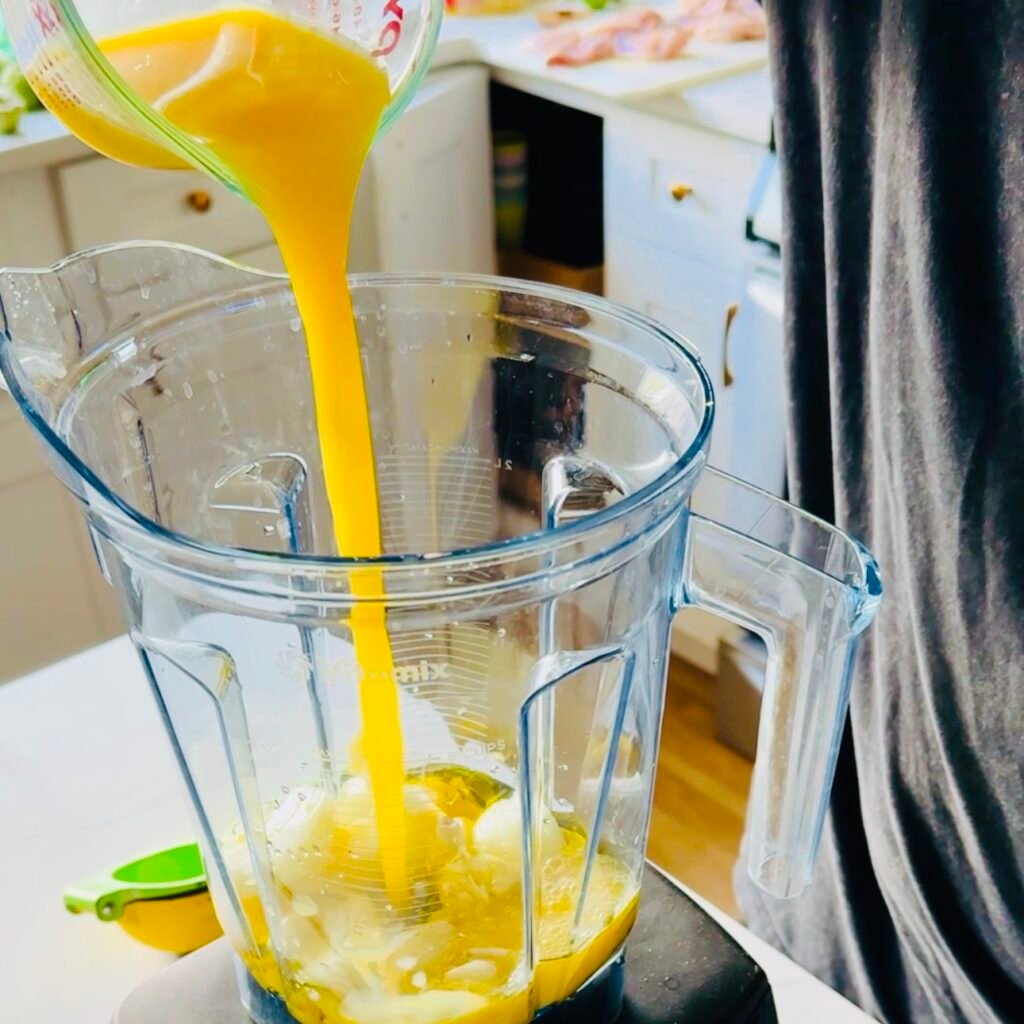
Add the orange juice, fresh lime juice, peeled garlic cloves, roughly chopped onion, dried oregano, oil, salt, black pepper, and cumin if using to a blender. You can also use an immersion blender with a tall jar.
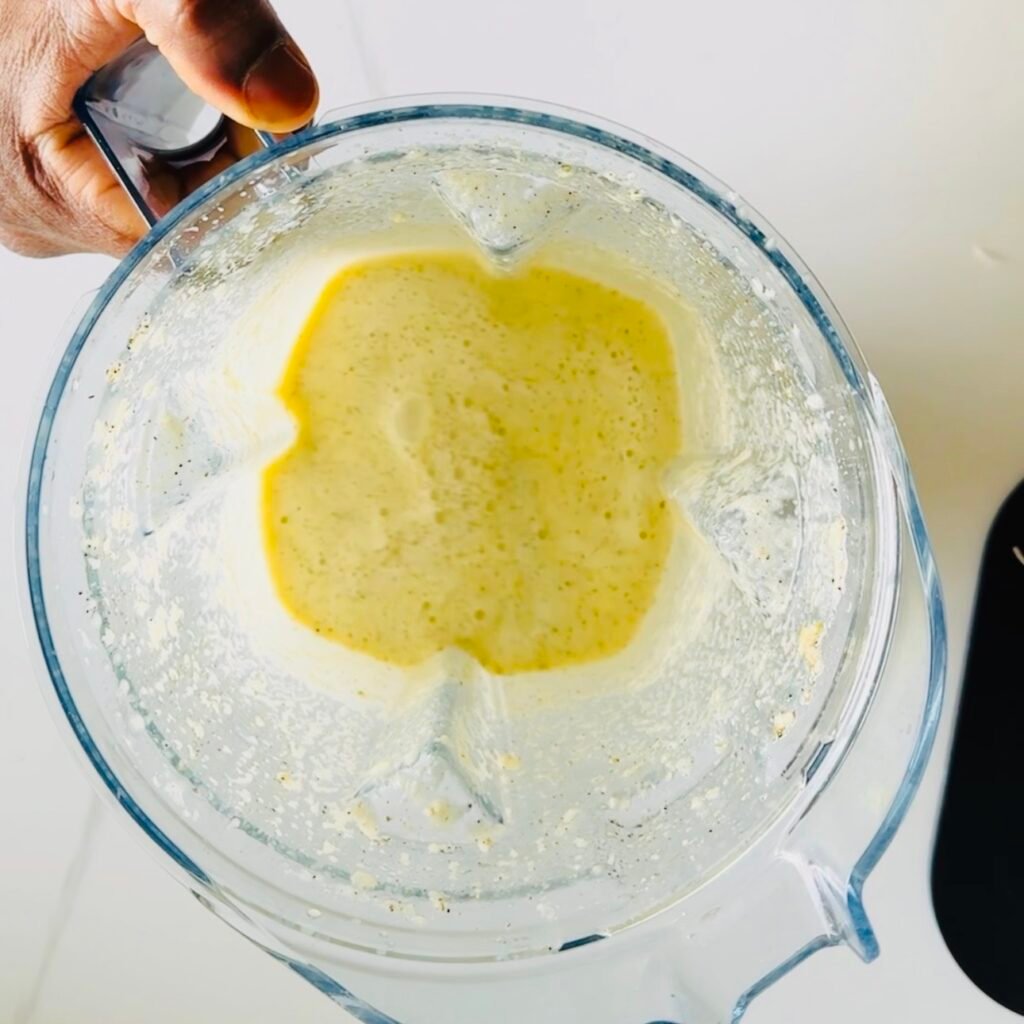
Blend everything for about 20 to 30 seconds, or until the garlic and onion are fully broken down and the marinade looks smooth and pourable.
Taste before using it. A good mojo marinade should taste bright, garlicky, citrusy, and well seasoned. If it tastes too sweet, add more lime juice. If it tastes too sharp, add a splash more orange juice. If it tastes flat, add another pinch of salt.
Main cooking flow
- Add all marinade ingredients to a blender or tall blending jar.
- Blend until smooth and pourable.
- Taste and adjust the citrus and salt.
- Pour over chicken, pork, shrimp, steak, or vegetables.
- Marinate for the recommended time.
- Cook as desired and discard any marinade that touched raw meat.
How long to marinate chicken, pork, shrimp, and vegetables
For chicken, use about ¾ to 1 cup of marinade for 1½ to 2 pounds of chicken. Marinate for 2 to 6 hours.
For pork tenderloin or pork chops, 4 to 8 hours works well.
For shrimp, keep it short. Fifteen to thirty minutes is plenty since shrimp absorbs flavor quickly.
For steak, anywhere from 2 to 6 hours is usually enough.
For vegetables, toss them with the marinade before roasting or grilling, or let sturdier vegetables sit for about 20 to 30 minutes beforehand.
Tips for success
Use fresh lime juice whenever possible.
Mash the garlic with salt first. It creates a smoother marinade and distributes the garlic flavor more evenly.
Taste the marinade before adding it to your protein. It should taste slightly stronger than you think it needs to because it's seasoning the food too.
Don't over-marinate delicate proteins like shrimp or fish.
If you'd like to use some of the marinade as a finishing sauce, reserve a portion before adding it to raw meat.
If you're grilling or searing meat, lightly pat off excess marinade first so it browns instead of steaming.
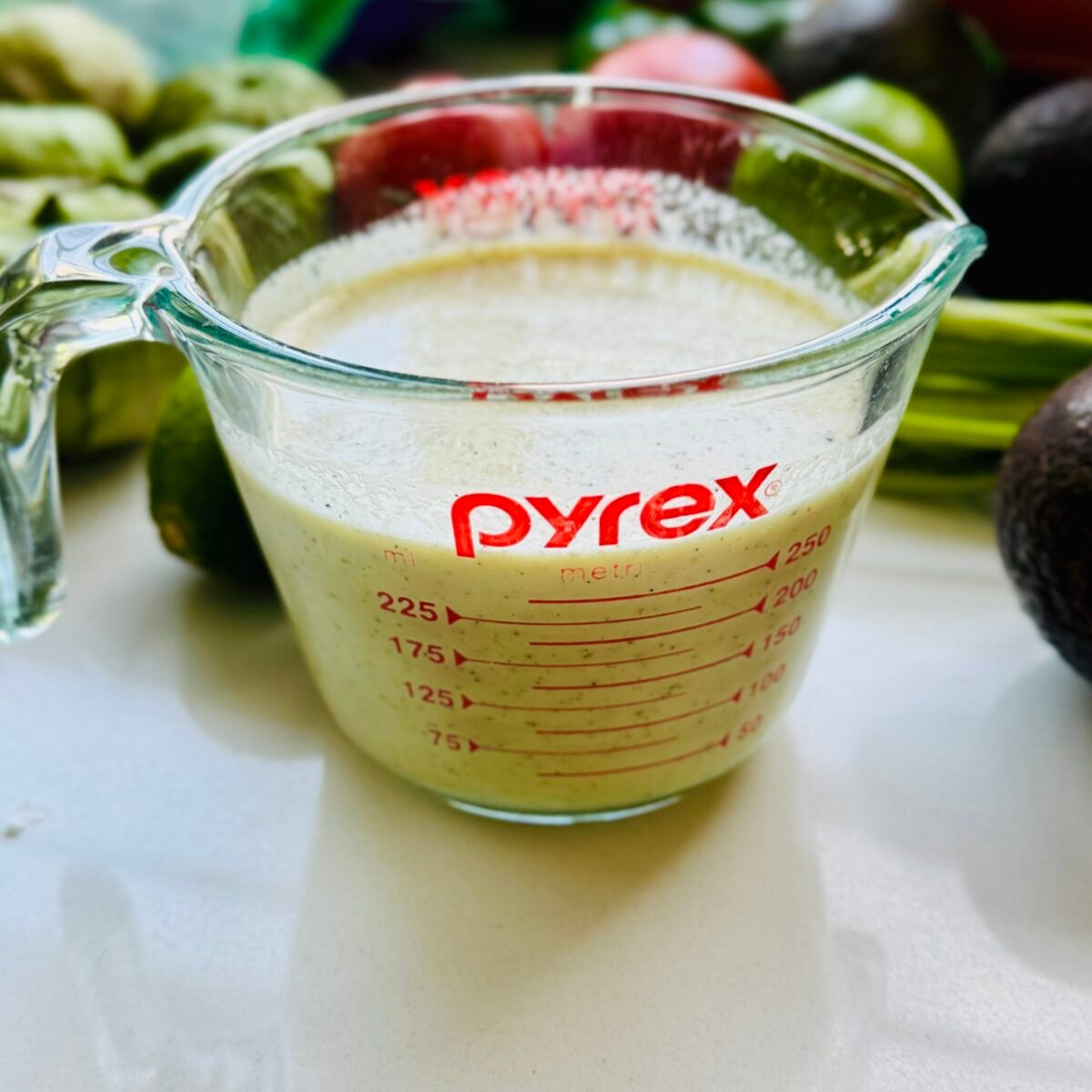
Tips for success
Use fresh lime juice whenever possible. It keeps the orange juice balanced and gives the marinade its bright flavor.
Roughly chop the onion before blending so it breaks down easily.
Blend just until smooth. You do not need to over blend it.
If using a strong olive oil and you are sensitive to bitterness, use a neutral oil or blend briefly.
Taste the marinade before adding it to your protein. It should taste bold because it still has to season the food.
Reserve some marinade before adding raw meat if you want to use it as a finishing sauce.
If you are grilling or searing meat, lightly pat off excess marinade first so the surface browns instead of steaming.
Common mistakes to avoid
The biggest mistake is treating this like orange juice with garlic. The lime, salt, onion, oregano, and garlic are what turn it into a balanced marinade.
Another mistake is not blending long enough. You want the garlic and onion fully broken down so the marinade can coat the protein evenly.
Also, do not use marinade that has touched raw meat as a finishing sauce unless you boil it first. The easiest option is to reserve a little fresh marinade before adding the rest to the raw protein.
Serving suggestions
This marinade is especially good for Mojo Chicken Tacos. Marinate chicken thighs, grill or sear them, then serve with tortillas, cabbage, avocado, pickled onions, cilantro, and Smoky Chipotle Sauce.
It's also great in rice bowls with black beans, roasted peppers, avocado, lime, and Green Sauce.
When I'm hosting, I'll often marinate a large batch of chicken and turn it into a taco bar. Set out tortillas, rice, beans, cabbage, salsa, lime wedges, and a couple of sauces, and everyone can build their own plate. It's easy, flexible, and always a crowd-pleaser.
For a meatless option, toss the marinade with sweet potatoes, peppers, onions, zucchini, or mushrooms before roasting. Serve everything over rice with beans and avocado for a simple dinner.
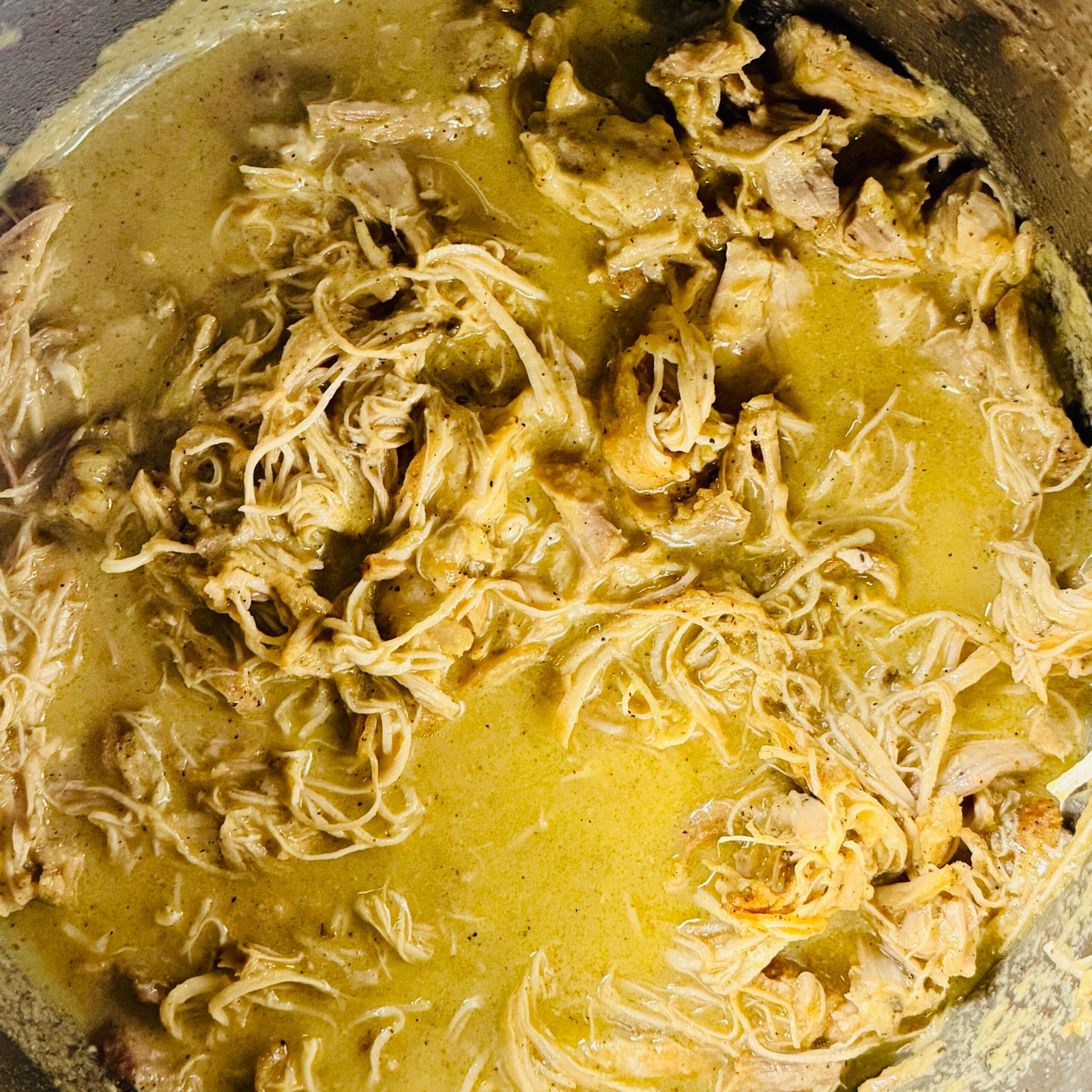
Use this marinade in my crispy mojo chicken tacos, where the chicken cooks in the Instant Pot before being folded into corn tortillas with cheese and crisped in a skillet.
Why this works for real life dinners
This recipe fits perfectly into the Pantry First Method because it starts with flavor instead of a rigid meal plan.
Once you have this marinade ready, you can look at whatever protein or vegetables you already have and build dinner from there.
That's what I love about recipes like this. They're not just recipes. They're tools that make weeknight cooking easier.
It's also great for entertaining because most of the work happens ahead of time. Once the protein is marinating, you're already halfway there.
Storage and make ahead guidance
Store leftover marinade in a sealed jar in the refrigerator for up to 5 days.
The oil and citrus will naturally separate, so give it a good shake before using.
You can also freeze it for up to 3 months. I like freezing it in smaller portions so I can pull out exactly what I need for a quick dinner.
If the marinade has touched raw meat, don't save it unless you plan to boil it before using it.
FAQ
Can I make mojo marinade without sour orange?
Absolutely. That's exactly what this recipe does. The combination of orange juice and lime juice creates a bright, balanced citrus flavor that's easy to make with everyday ingredients.
Is this authentic Cuban mojo?
I would call this Cuban-inspired rather than traditional because it uses orange juice and lime instead of sour orange. The flavor profile stays true to the garlic, citrus, oregano, and onion combination that makes mojo so good.
What is the best meat for mojo marinade?
Chicken thighs are my favorite because they stay juicy and absorb the flavor beautifully. Pork, shrimp, steak, and even vegetables work well too.
How long should chicken marinate in mojo?
About 2 to 6 hours is ideal. That's enough time for the flavors to penetrate without affecting the texture of the chicken.
Can I use bottled orange juice?
Yes. Fresh orange juice tastes a little brighter, but bottled orange juice works just fine. I would still recommend using fresh lime juice if possible.
Can I use mojo marinade as a sauce?
Yes, as long as you reserve some before it touches raw meat. Otherwise, it needs to be boiled before serving.
Can I freeze mojo marinade?
Yes. Freeze it for up to 3 months and thaw it in the refrigerator before using.
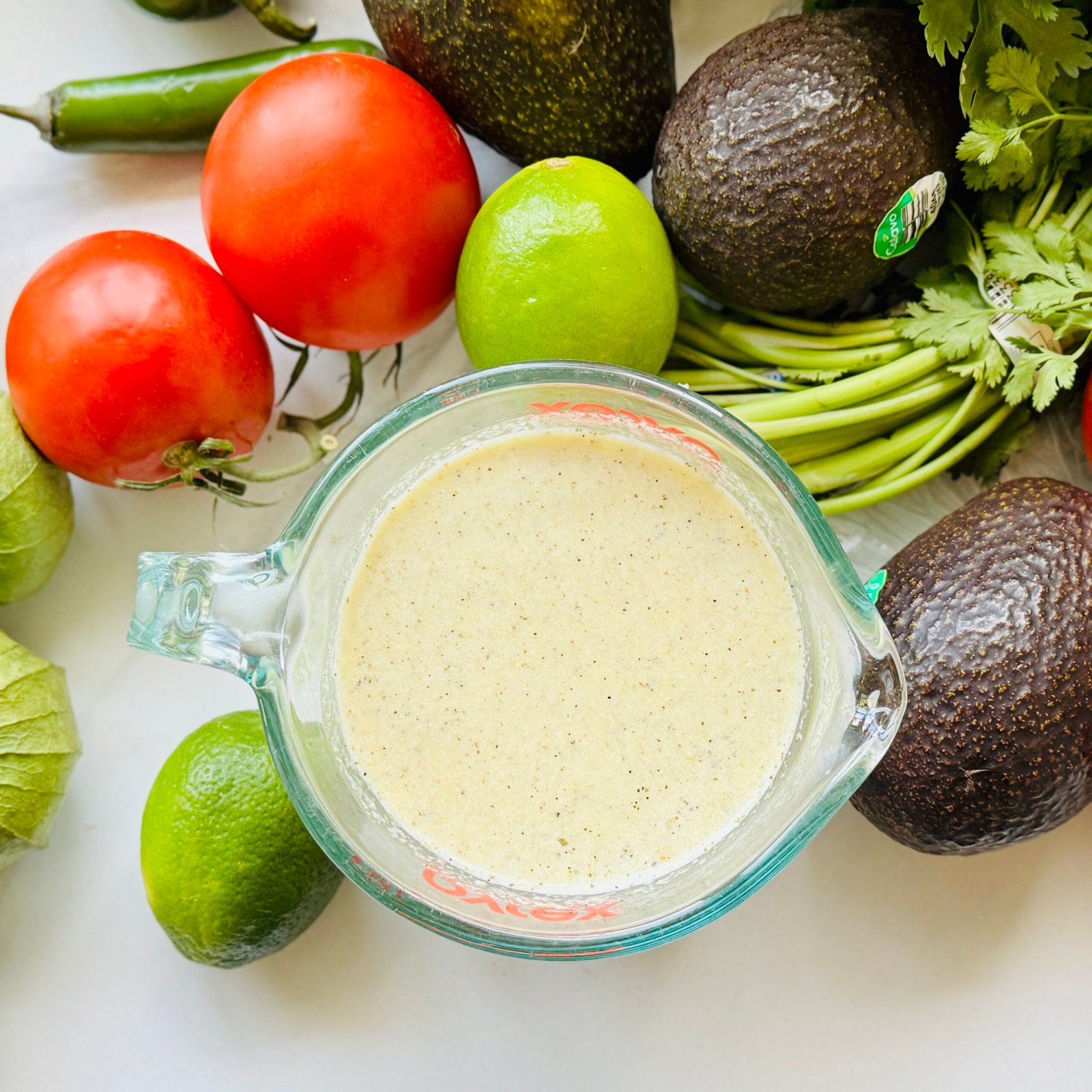
Final thoughts
This is one of those simple recipes that earns a permanent spot in your rotation because it makes so many meals easier.
A handful of everyday ingredients turns into something bright, garlicky, and full of flavor. Whether you're making chicken tacos, grilled pork, shrimp skewers, or roasted vegetables, this marinade gives you a solid starting point.
Make a jar, keep it in your fridge, and let it help answer the question of what's for dinner.
Next, use it in my crispy mojo chicken tacos, or pair it with Green Sauce and Smoky Chipotle Sauce for an easy sauce led taco night.
Some of the links in this post are affiliate links, which means I may earn a small commission at no extra cost to you. Thanks for supporting the blog.
Blender Mojo Marinade with Orange Juice and Lime

Equipment
- Measuring cup
- Glass jar with lid for storing
Ingredients
- 1 head garlic about 8 to 10 large cloves, peeled, about 40 grams
- 1 teaspoon kosher salt plus more to taste, about 4 grams
- 1 cup orange juice preferably fresh squeezed, 240 milliliters
- Juice of 3 limes about ⅓ to ½ cup, 80 to 120 milliliters
- ⅓ cup roughly chopped white onion about 50 grams
- 1 teaspoon dried oregano about 1 gram
- ⅓ cup olive oil or neutral oil 80 milliliters
- ½ teaspoon black pepper about 1 gram
- Optional ½ teaspoon ground cumin about 1 gram
Instructions
- Add the orange juice, lime juice, peeled garlic cloves, roughly chopped white onion, dried oregano, oil, kosher salt, black pepper, and cumin if using to a blender or tall blending jar.
- Blend for 20 to 30 seconds, or until the garlic and onion are fully broken down and the marinade looks smooth and pourable.
- Taste and adjust the marinade. Add more lime juice if you want it sharper, more orange juice if you want it slightly sweeter, or another pinch of salt if it tastes flat.
- Use immediately, or pour the marinade into a sealed jar and refrigerate until ready to use.
- Shake or stir well before using, especially if the marinade has been refrigerated.
Notes
Fresh lime juice makes a big difference because it balances the sweetness of the orange juice. Blend just until the garlic and onion are fully broken down. The marinade should taste bold, bright, garlicky, citrusy, and well seasoned before it touches the protein. Substitutions
Use bottled orange juice if needed, but fresh orange juice gives the brightest flavor. Use neutral oil for a lighter flavor or olive oil for a richer finish. If you find sour orange, you can use it in place of the orange juice and lime juice, then taste and adjust the salt and sweetness as needed. Variations
Add the optional cumin for a deeper savory flavor. Add cilantro for a fresher herb flavor. Add jalapeño for gentle heat. Add orange zest if you want the citrus flavor to be stronger. Storage
Store unused marinade in a sealed jar in the refrigerator for up to 5 days. Shake or stir before using because the oil and citrus may separate. Freezing
Freeze in small portions for up to 3 months. Thaw in the refrigerator and shake well before using. Reheating
This marinade does not need reheating if it has not touched raw meat. If you want to use marinade that has touched raw chicken, pork, steak, or shrimp as a sauce, boil it first before serving. Make ahead guidance
This marinade can be made 1 to 2 days ahead and stored in the refrigerator. For the freshest flavor, shake well and taste before using. Serving ideas
Use this marinade for chicken tacos, grilled chicken thighs, pork tenderloin, pork chops, shrimp skewers, steak, roasted sweet potatoes, peppers, onions, zucchini, mushrooms, rice bowls, or taco night. Marinating guidance
For chicken, use about ¾ to 1 cup marinade for 1½ to 2 pounds of chicken. Marinate for 2 to 6 hours.
For pork tenderloin or pork chops, marinate for 4 to 8 hours.
For shrimp, marinate for 15 to 30 minutes.
For steak, marinate for 2 to 6 hours.
For vegetables, toss with the marinade before roasting or grilling, or let heartier vegetables sit for 20 to 30 minutes. Food safety note
Discard marinade that has touched raw meat unless you boil it before using it as a sauce. Cook chicken to an internal temperature of 165°F.

Rufus Dewanou says
the colorful pantry