
Hosting a dinner party at home does not have to be stressful. Whether you are planning a relaxed weeknight dinner for four or a multi-course evening for twelve, the path looks the same — realistic planning, a few things made ahead, and a kitchen that is ready to support you. This guide covers everything I have learned about how to host at home well, at every level, without losing your mind in the process.
Hosting is the entire reason we started The Colorful Pantry.
Long before I ever thought about recipes, starting a blog, or posting content online, I knew I wanted to make food that brought people together. I have always believed that time in the kitchen is never wasted, especially when it ends with people gathered around your table, staying a little longer, talking a little more, and leaving more full in every sense of the word.
That is what hosting means to me.
It is not about a perfect table or proving you can pull off an impressive meal. It is about creating a space where people can relax, settle in, and feel cared for. A good meal has a way of slowing people down. It gives shape to an evening and makes room for conversation, laughter, comfort, and memory. In a world that often feels rushed and distracted, that kind of gathering matters.
Still, I know the word hosting can make people nervous. It is easy to picture spotless houses, elaborate menus, matching linens, and a version of entertaining that feels more like pressure than joy. A lot of us start to believe it only counts if it looks effortless and impressive.
I do not think that is true at all.
Hosting is a spectrum. Sometimes it is a pot of soup for a neighbor on a rainy Tuesday. Other times it is pasta with another family on a weeknight or drinks and snacks around the kitchen island. And sometimes it is a fully planned dinner party with candles, courses, and a menu you have been thinking about for weeks. This was the case for my dinner party for 30 people.
All of it counts.
Choose the Kind of Gathering You Are Planning
You do not need the same plan for every kind of hosting. Start with the gathering in front of you, then choose a menu and prep level that fits it.
- Casual weeknight dinner: Keep the menu flexible and low-pressure. Choose a main dish that is easy to share, add one or two simple sides, and build in something you can prepare ahead. A relaxed meal like Crispy Mojo Chicken Tacos works especially well because most of the components can be ready before anyone arrives.
- Intentional dinner for a smaller group: Choose one anchor dish, then make the rest easier. Beef Wellington with make-ahead sides and Classic Tiramisu is one example.
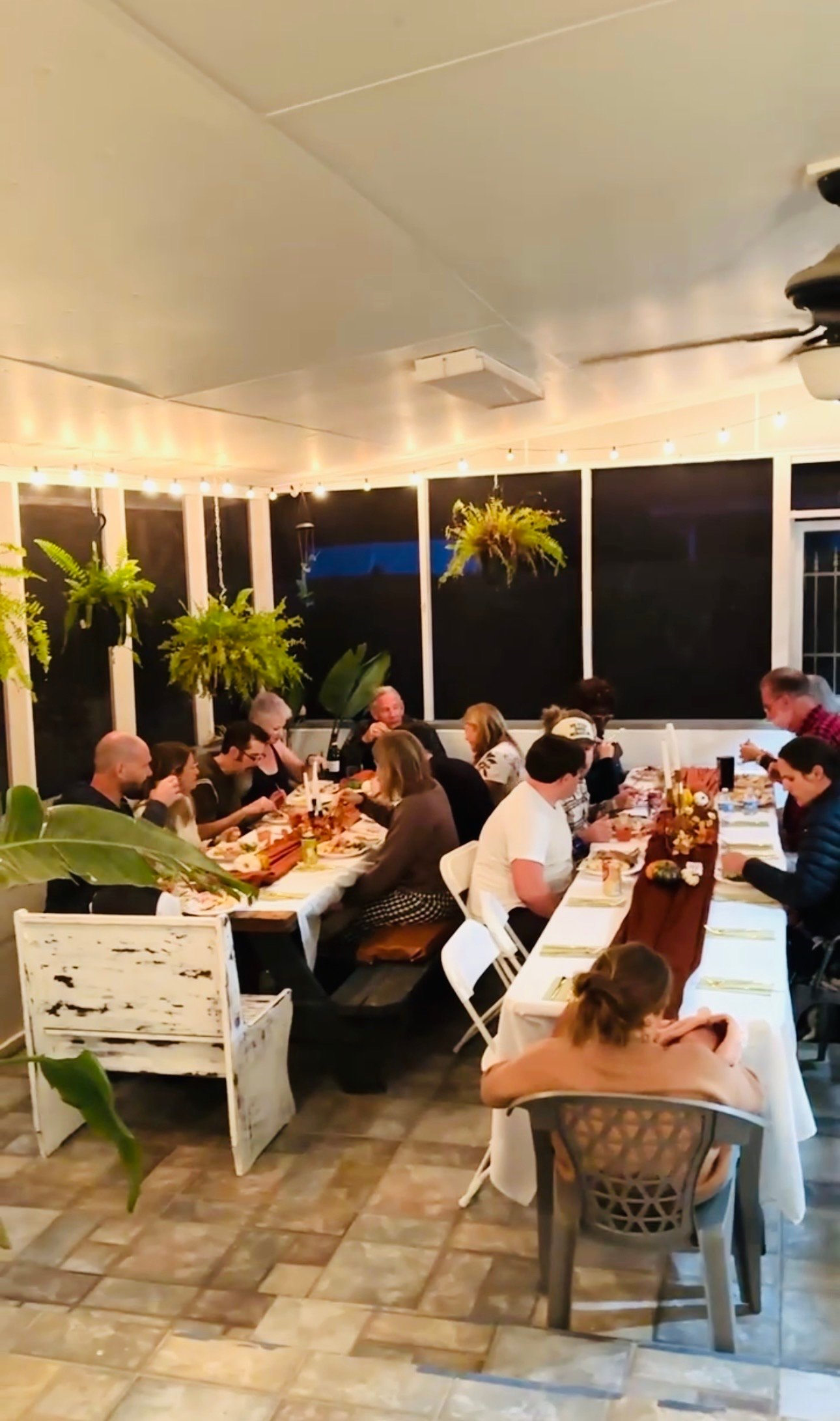
- Large group: Use my Dinner for 30 as a real example of scaling a menu and moving work into the days before the event.
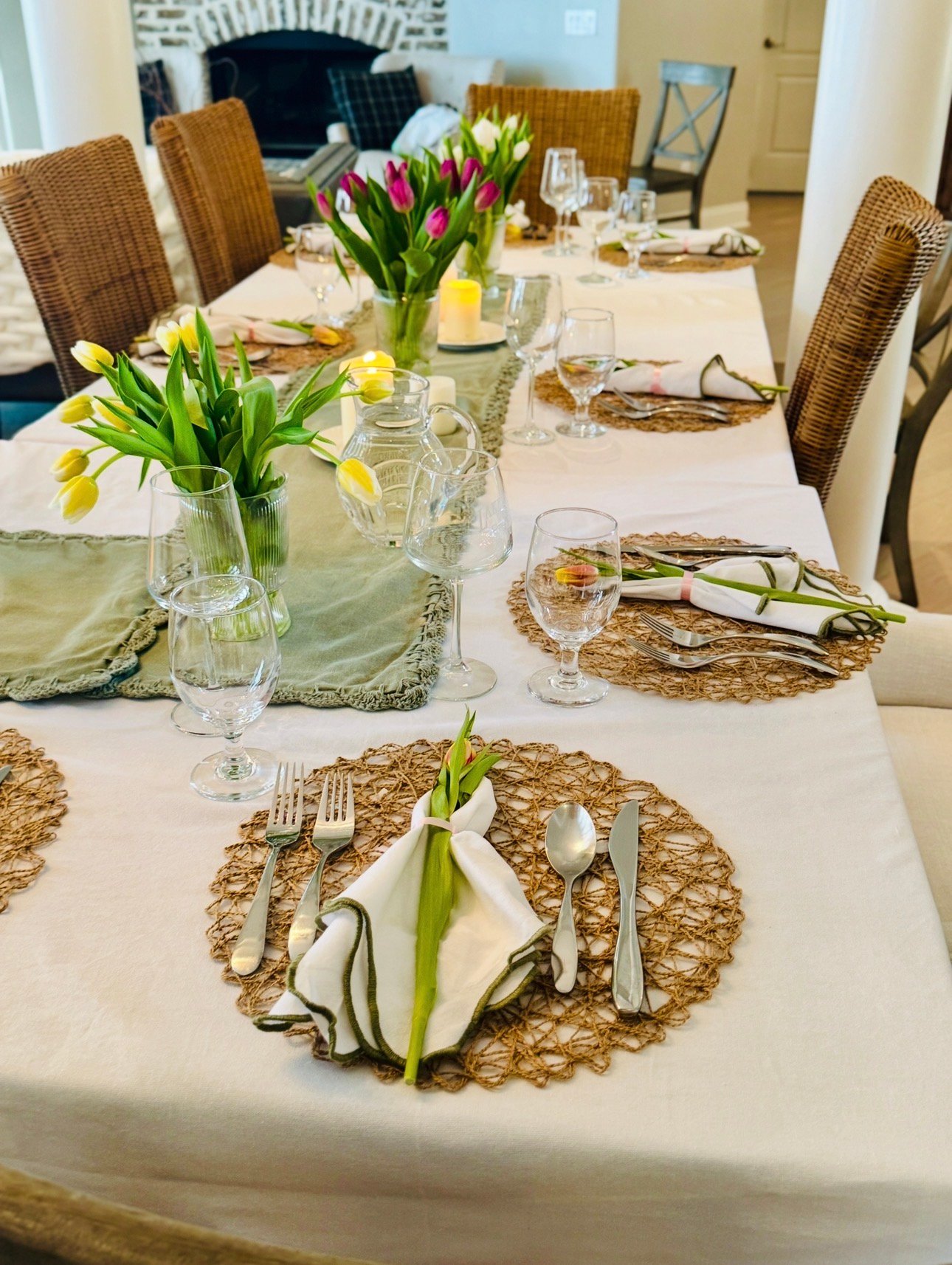
- Multi-course celebration: See the 7-Course Spring Dinner Party for pacing, course balance, and what I learned when the original plan had to change.
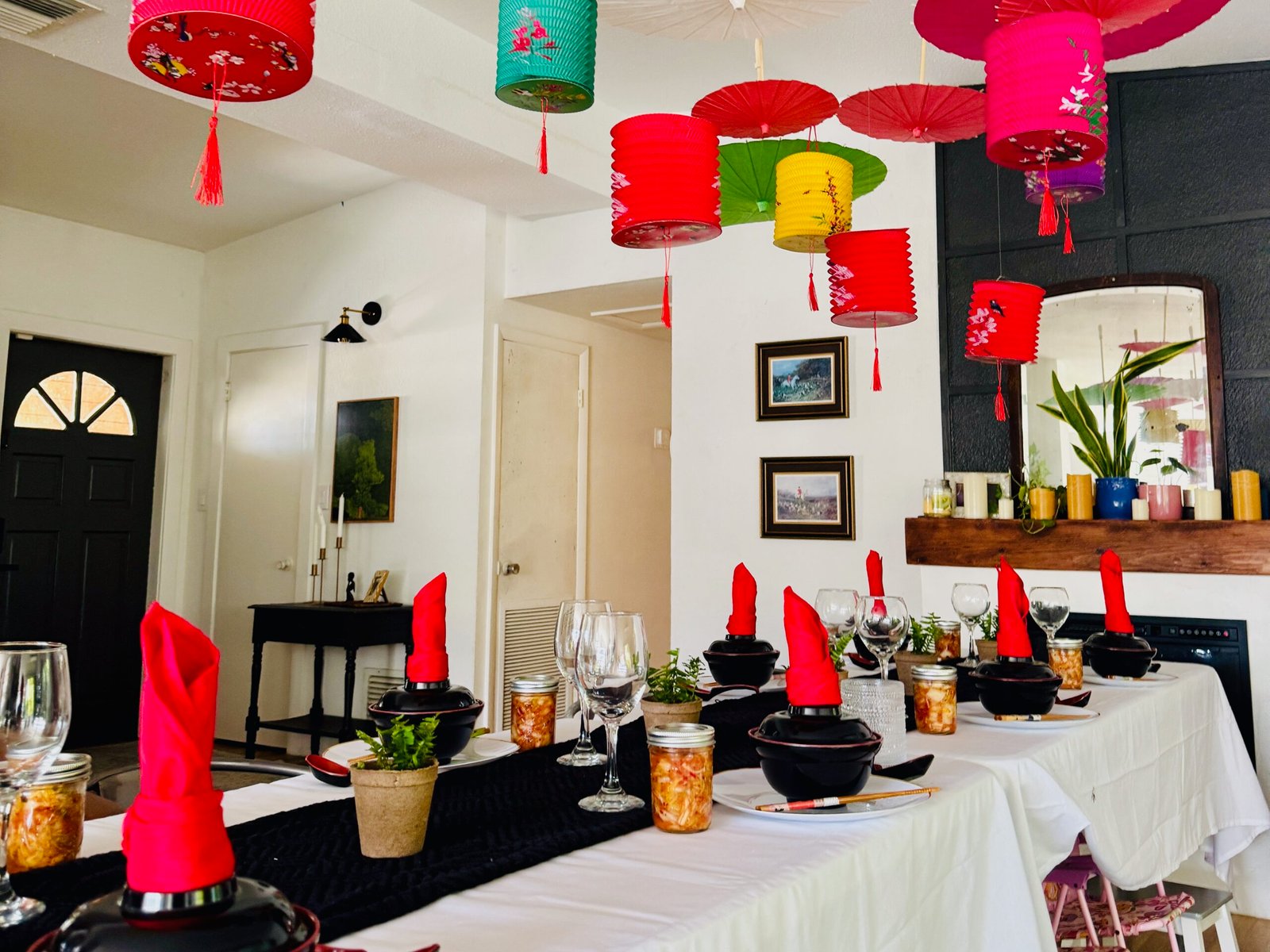
- Themed or interactive dinner: My ramen, dumplings, bao, Thai tea and kimchi dinner party shows how food, an activity, a special drink, and atmosphere can turn dinner into a full evening.
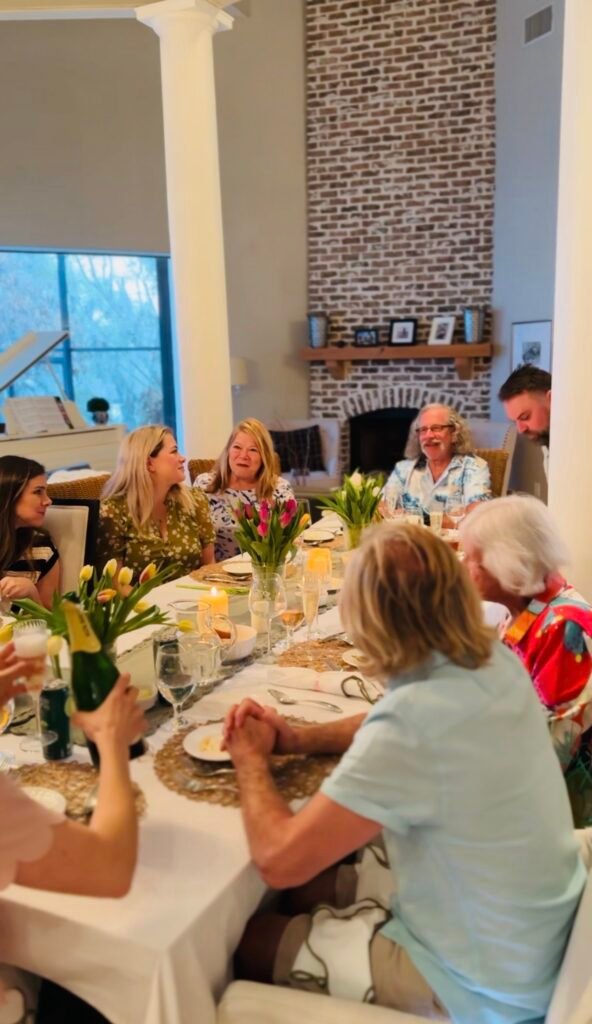
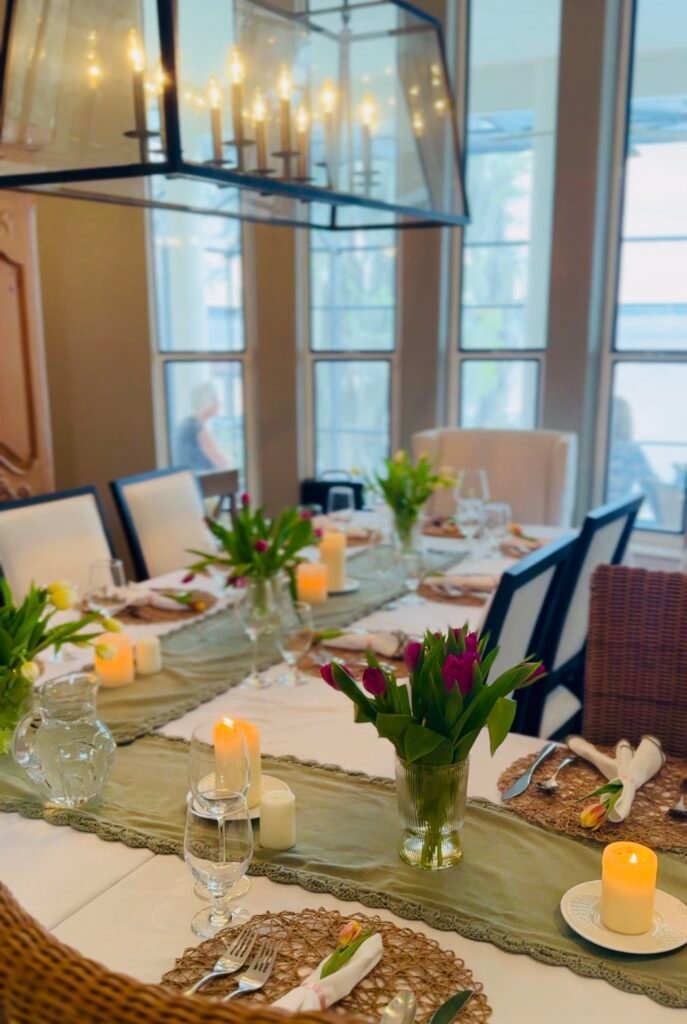
What Hosting a Dinner Party at Home Actually Means
At its heart, hosting is not about impressing people. It is about making them feel welcome.
A good host does more than put food on the table. They help people relax. They create the kind of atmosphere where guests can settle in, conversation flows easily, and the whole evening feels warm and generous instead of tense.
When you invite someone into your home, you are saying that their presence matters more than the dust on the shelves, the mismatched chairs, or the part of the meal that did not go exactly as planned. You are making room for them, and people can feel that.
That is a big part of why hospitality matters so much to me.
We live in a world that often values productivity more than presence, so choosing to gather people, feed them, and make space for them feels meaningful. It reminds us that slowing down matters. Sharing a meal matters. Creating room for joy, beauty, and connection matters.
And honestly, most people are not paying attention to the little flaws we get stuck on. They are not thinking about whether the napkins matched or if the potatoes got a little too much color. What they remember is how they felt in your home. They remember the warmth, the ease of the evening, and whether you were actually able to be there with them.
That is why a present host will always matter more than a perfect menu.
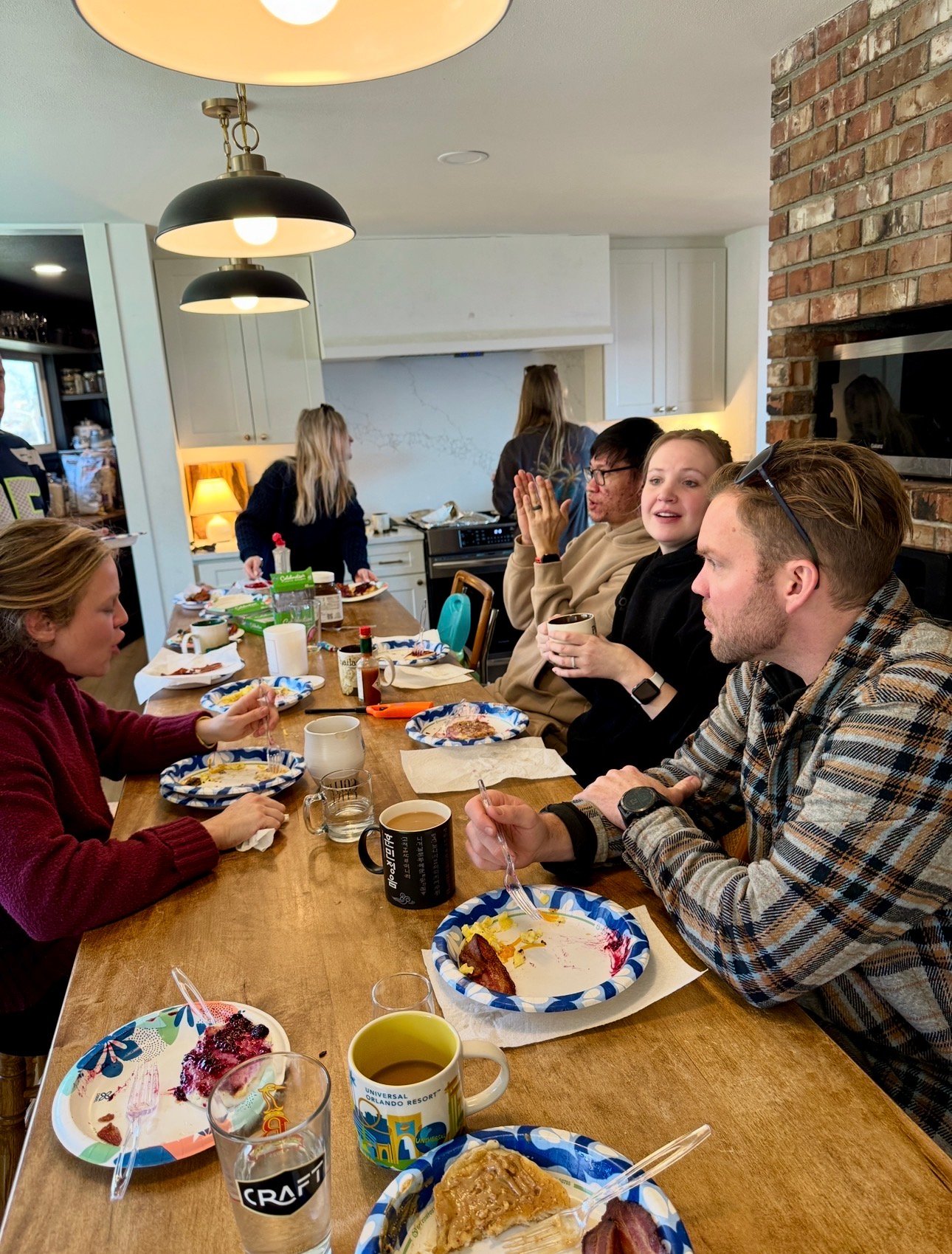
Hosting Is a Spectrum
One of the biggest mistakes people make is treating every gathering like it needs to be a formal event.
It does not.
To host consistently and joyfully, you have to learn how to match your effort to the moment. Not every gathering needs candles and courses. Not every meal needs a signature dessert. Some of the most meaningful hosting happens in the most ordinary settings.
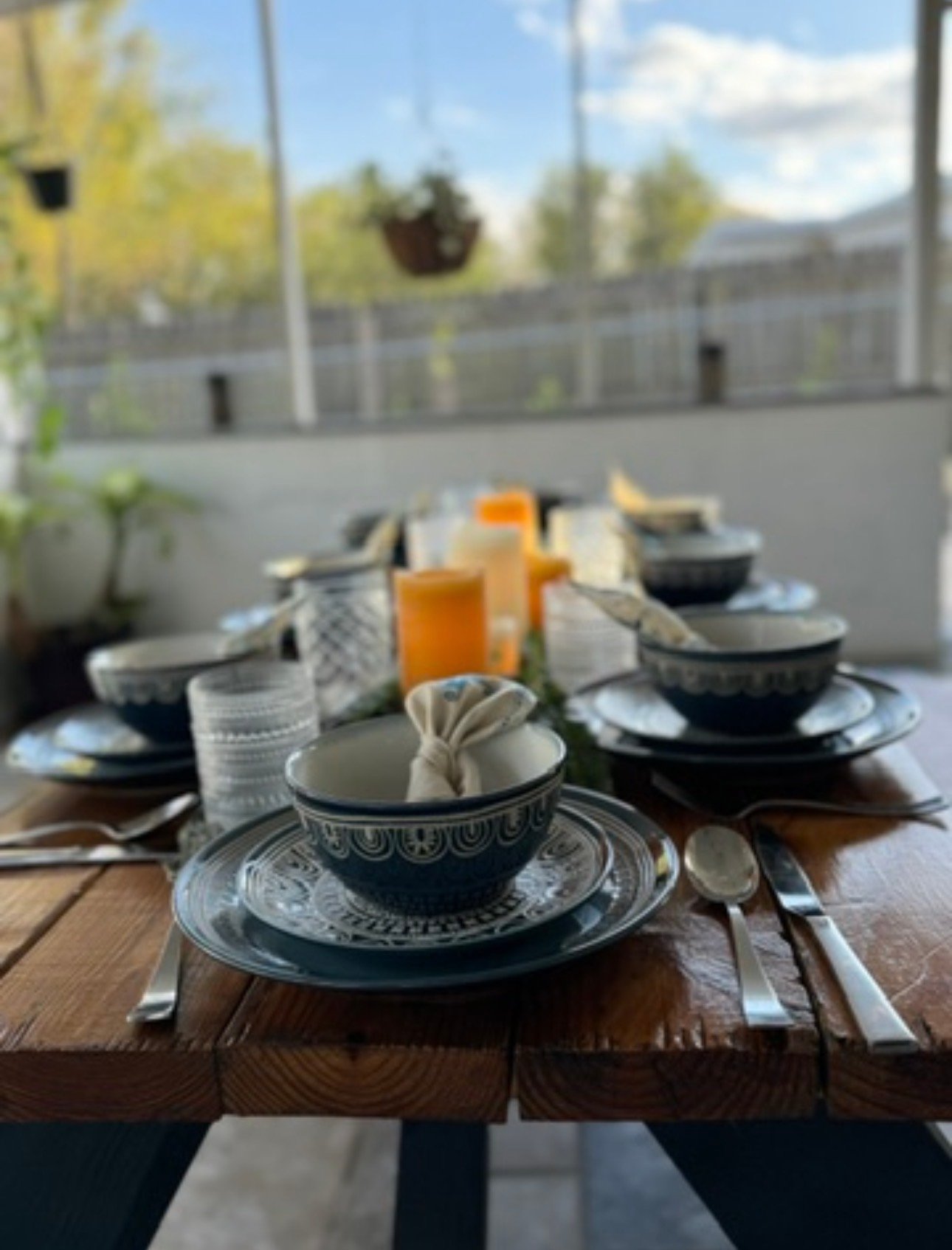
Everyday Hosting
This is the kind of hosting I think matters most, even if it is the least flashy.
Everyday hosting is inviting another family over on a weeknight. Sharing soup with a friend who had a hard week or having family over for a simple dinner. It is saying yes to community in the middle of real life.
The goal here is not to impress. The goal is consistency.
This kind of hosting builds rhythm. It makes your table a place people can return to again and again. It reminds everyone involved that gathering does not have to wait for a holiday or major celebration. Sometimes the most meaningful meals happen on completely ordinary nights.
Casual Gatherings
This is where things loosen up a little more.
Think game nights, backyard dinners, dessert and coffee with friends, drinks and snacks after work, or the kind of evening where everyone ends up standing in the kitchen while something warm comes out of the oven.
These gatherings are often lower pressure, but they still benefit from intention. A few good snacks, one warm dish, a themed drink, and some music can go a very long way. The goal here is ease. You want people to feel comfortable, welcome, and fed without turning the whole night into a production.
A crispy mojo chicken taco bar is one of my favorite examples of relaxed hosting because the chicken and toppings can be prepared ahead while the tacos are crisped as people gather.
Intentional Dinner Parties
This is the part of the spectrum where hosting becomes a little more layered and intentional. It is where you lean into the art of the meal, whether that looks like a birthday dinner, an anniversary, a themed evening, a milestone celebration, or a multi course menu meant to be remembered.
These kinds of gatherings usually take more planning, but they also create some of the deepest memories. They give people a reason to slow down, linger, and really settle into the evening. Dinner stops being just dinner and starts to feel like an experience.
And that is really the goal. Not extravagance for the sake of it, but care you can actually see and feel.
You can see that in my ramen, dumplings, bao, Thai tea and kimchi dinner party, where the meal became more than food and turned into a full event. The same was true in my 7-Course Spring Dinner Party, where the pacing of the menu helped shape the whole night from start to finish.
How to Plan a Dinner Party at Home
Good hosting starts long before anyone arrives at your door. The more clearly you have thought through the evening in advance, the more present you can actually be once guests are there.
Start with the guest list and work backwards. Who are you inviting, and what kind of evening do you want to create for them? A group of close friends who come over often calls for a different menu and energy than a more intentional gathering for people you want to impress or welcome for the first time.
Once you know who is coming, build a menu around your anchor dish. Choose one thing that feels a little special or ambitious, then surround it with sides and a dessert that are simpler and mostly make-ahead. A Beef Wellington is far more manageable when the sides are Thin-Cut Melting Potatoes you can prep ahead and a Green Sauce already waiting in the fridge.
Think through your kitchen timing before you commit to anything. If your main course needs the oven at a high temperature for the final thirty minutes, your sides need to work around that window, not compete with it. Write out a loose timeline from start to finish and look for collisions before they happen in real time.
Plan for at least one thing that can be completely done the day before. Usually that is dessert. My Classic Tiramisu needs a long chill and is especially well suited to making ahead. Chocolate ganache, tarts, and many bar desserts can also move dessert work out of the day-of cooking window. Getting dessert fully off your plate the night before changes the energy of the whole day.
A Simple Dinner Party Planning Timeline
One to two weeks before:
Confirm your guest list and any dietary needs. Choose your menu and identify everything that can be made ahead. Write a complete shopping list organized by category.
Two to three days before:
Do your main grocery shop. Make any freezer-friendly components. Prep table decor and decide on a centerpiece.
The day before:
Make all make-ahead components — sauces, pickles, dressings, desserts, braises, marinated proteins. Set the table completely. Prepare your playlist.
Day of:
Pick up any fresh items. Set out serving dishes. Prep vegetables and proteins so everything is ready to cook or finish. Set out a welcome drink or appetizer so guests have something the moment they walk in.
One hour before guests arrive:
Be done with the kitchen. Changed, calm, and ready to be a host rather than a cook. Light candles, turn on music, pour yourself something.
What to Make Ahead When Hosting a Dinner Party
This is the single shift that will change your hosting experience more than anything else. The more you complete before guests arrive, the more you can actually enjoy the people you invited.
Sauces and other Flavor Builders are especially useful make-ahead components. A bright green sauce, a creamy Old Bay dill sauce, a dressing, quick pickle, or smoky chipotle drizzle can be prepared ahead and used to finish proteins, vegetables, appetizers, and grains without adding another last-minute task.
Pickles and ferments come together quickly and improve with time. Quick pickled onions, cucumbers, or peppers are ready in a few hours and even better the next day. They add brightness and contrast to almost anything on the plate.
Desserts are often one of the best places to move work out of the day-of cooking window. Classic Tiramisu benefits from a long chill, and components like my Whipped Chocolate Ganache can be prepared ahead so the final dessert is easier to finish when guests are coming.
Braises and slow cooked proteins reheat beautifully and are often better the second day. If you are feeding a crowd, this category is where you buy yourself the most time.
Grains and roasted starches can be cooked ahead and reheated gently before serving. Cooked farro, roasted potatoes, and rice all work well this way. Thin cut melting potatoes reheat in a low oven and lose nothing.
Sample Dinner Party Menus
Simple Weeknight Dinner for 6
Welcome: bread with good butter and quick pickled vegetables
Main: roasted chicken with green sauce
Side: roasted seasonal vegetables
Dessert: store bought ice cream with whipped chocolate ganache
Elevated Dinner Party for 8
Starter: honey walnut goat cheese apple bites
Main: Beef Wellington
Side: thin cut melting potatoes and a simple green salad
Dessert: classic tiramisu
Large Group Dinner Party for 30
This is a different kind of planning entirely. See my Dinner for 30 guide for the complete menu I served, the multi-day prep approach, what I prepared ahead, and the planning lessons that helped the meal stretch from 24 expected guests to 30 at the table.
Asian Themed Dinner Party
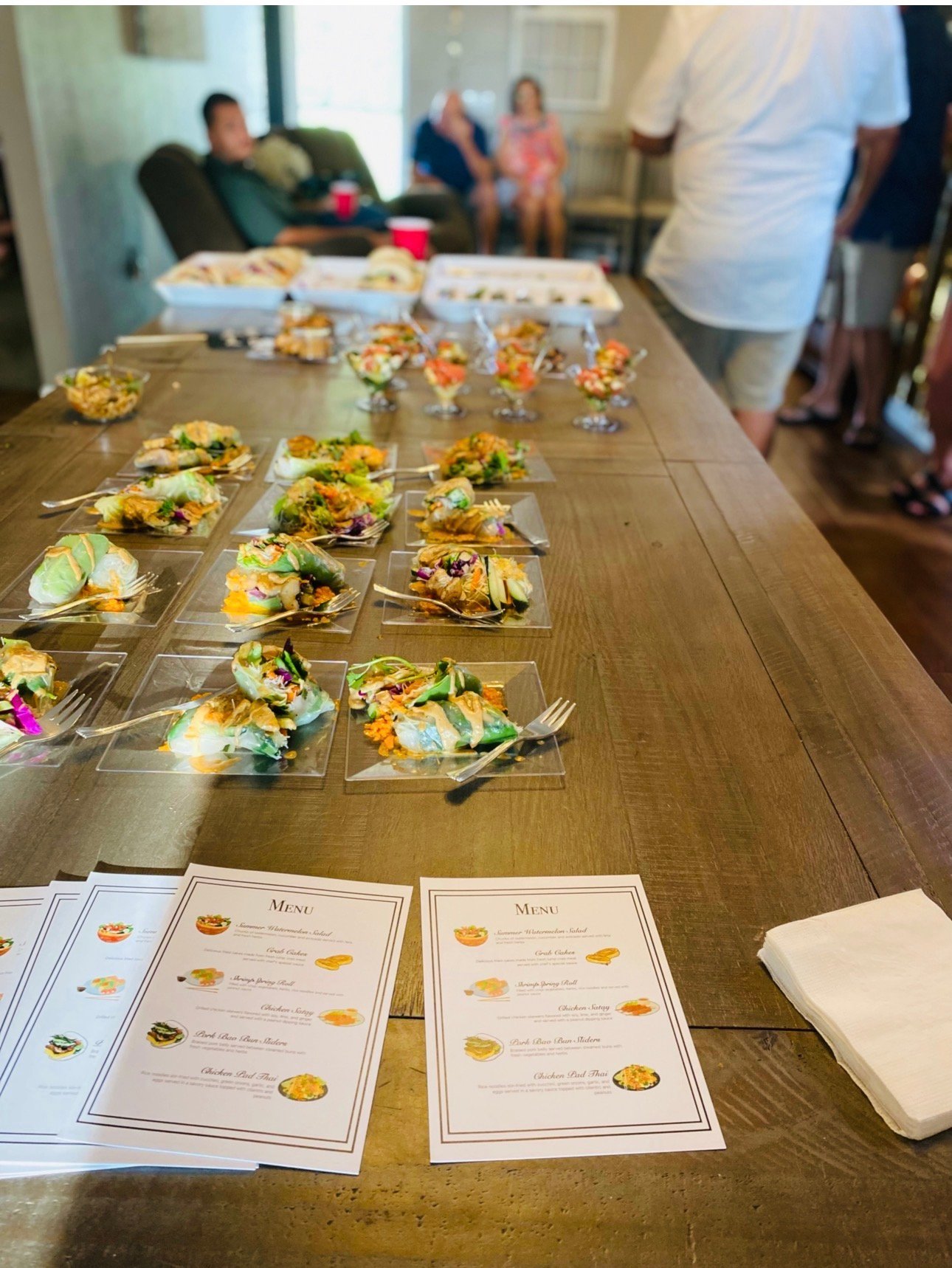
See my full Asian dinner party guide with a complete menu, timeline, themed drinks, and a hands-on dumpling making station that turned the meal into a full evening.
Build the Menu Around What You Can Finish Early
The easiest way to make hosting feel calm is to decide, before you choose the menu, which parts of the meal will already be finished when guests arrive.
I like to choose one dish that deserves my attention close to serving time, then surround it with things that can wait for me: a make-ahead dessert, a sauce or dressing from my Flavor Builders collection, a prepared appetizer, a cold salad, or a side that reheats well. That balance lets the meal still feel special without putting five different deadlines in the last twenty minutes.
This matters just as much for a Tuesday dinner with friends as it does for a planned dinner party. The scale changes, but the principle does not: save your last-minute energy for the food that truly needs it, and let everything else be ready to support the evening.
If you want ideas for flexible sauces, dressings, pickles, marinades, and other finishing components, browse Flavor Builders. For the ingredients I like to keep around for easier everyday cooking and spontaneous gatherings, see my Pantry Essentials.
Hosting in a Pinch Starts Before the Doorbell Rings
One of the biggest myths about hosting is that it always requires a perfect plan and a grocery run.
It helps to have a plan, yes. But hosting gets much easier when your kitchen already has a safety net.
That is where pantry essentials matter.
A jar of pickled red onions can instantly brighten a dish. A good loaf of bread plus butter and something jammy can become a first course. Tinned fish, dried pasta, rice, beans, a bag of frozen dumplings, or a prepared sauce can help you pull together something thoughtful in less time than you might expect.
Hosting in a pinch is not about magic. It is about margin.
When your pantry, fridge, and freezer hold a few versatile ingredients, you can welcome people without feeling like you have to build an entire evening from nothing.
That is also why I think having a collection of go to hosting and dinner party recipes matters so much. The more often you cook from a trusted base, the easier it becomes to gather people well.
The Five Pillars of a Great Gathering
No matter what kind of hosting you are doing, casual or elaborate, the best gatherings usually have the same foundation.
1. A Reason to Gather
It does not have to be dramatic. I just wanted to see you is enough.
A birthday, a promotion, a rainy evening, a Tuesday when everyone needed a reset. All of these are valid reasons to make a meal and invite people in.
2. A Menu With a Plan
A good menu is not the most complicated menu. It is the one that allows the host to stay present.
That means choosing dishes strategically, thinking through timing, and giving yourself a realistic path from kitchen to table. Even for casual meals I always aim to have a starter, a main, and a dessert.
3. A Welcoming Atmosphere
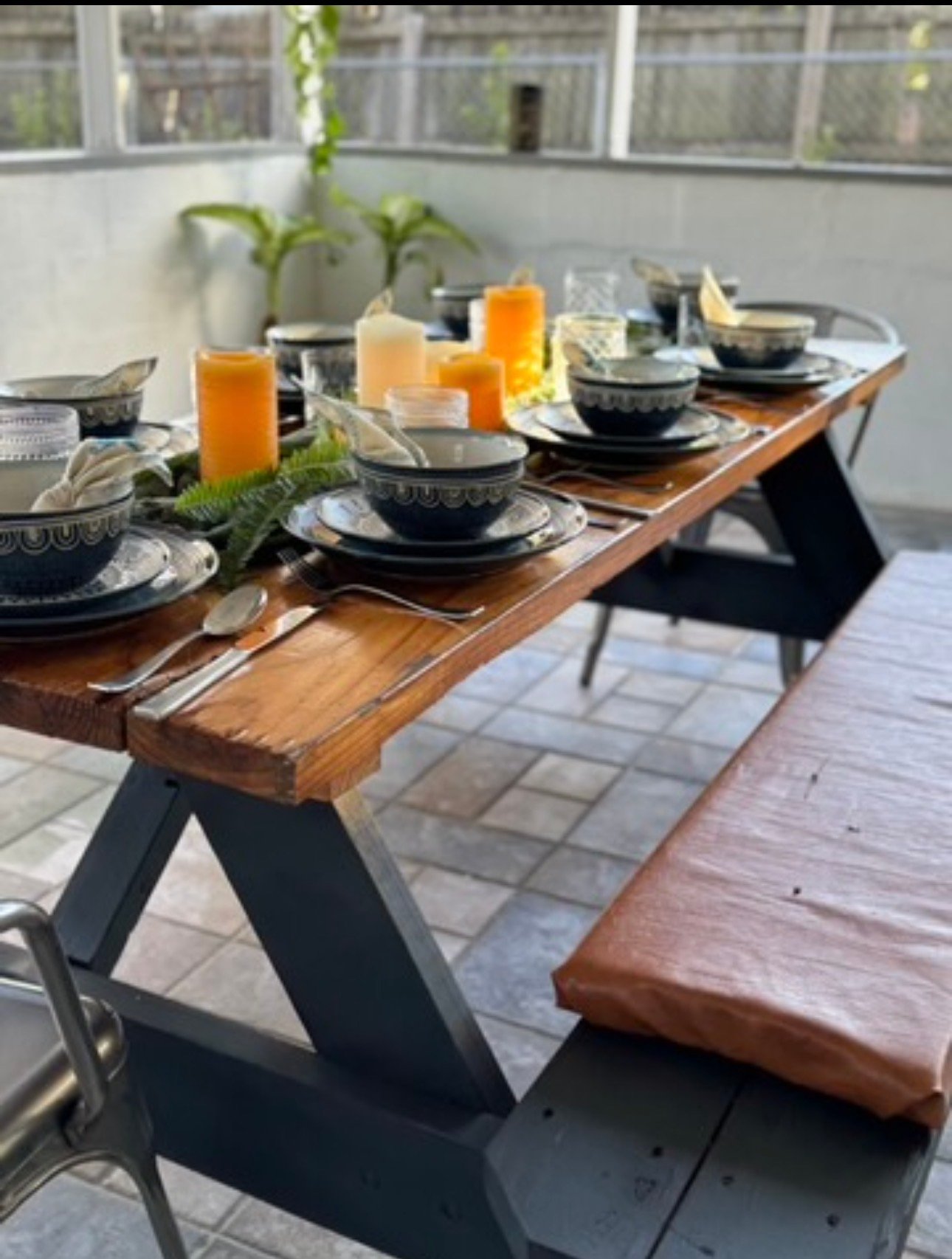
Warm lighting. Music in the background. A table that feels considered. A special drink ready when people arrive.
These details do not have to be expensive or elaborate. They just need to communicate care.
4. A Present Host
This is the most important one.
The entire evening changes when the host is calm enough to enjoy it. People take their cues from you. If you are frantic, they feel it. If you are grounded, they settle in too.
5. Space to Linger
Do not rush the meal.
Some of the best parts of hosting happen after the plates are mostly empty, when nobody is in a hurry and the conversation starts to deepen. Build in room for that. Let the evening breathe.
How to Host Without the Overwhelm
Overwhelm is the enemy of hospitality. The more stressed you are, the harder it is to create the kind of environment you actually want people to experience.
Do not make a menu that is entirely new recipes. Include at least a couple dishes you know well. Give yourself something familiar to lean on.
Set the table early, even the night before if you can. It makes the day of feel dramatically easier.
Choose make ahead components whenever possible. Many of the best hosting foods actually improve with time. Slow cooked meats, sauces, dressings, whipped ganache, pickled vegetables, desserts, and marinated ingredients often work better because they are done before guests arrive.
And finally, remember that not every dish has to be cooked in the final thirty minutes. In fact, very few of them should be.
What People Actually Remember
This might be the most important thing I can say: people will not remember your hosting the way you do. They are not going to fixate on every tiny detail that felt huge to you, whether it was a smudge on the glass door or the slightly overbrowned edge of a tart.
What they will remember is how the evening felt. They will remember the warmth of the room, the generosity of the meal, the laughter, the way everyone lingered a little longer, and the feeling that they were cared for. More than anything, they will remember that you made room for them.
That is what hosting is really about, and it is exactly why it matters so much to me.
Favorite Hosting Resources and Menus
Dinner Party Inspiration
- Ramen, Dumplings, Bao, Thai Tea and Kimchi Dinner Party
- 7-Course Spring Dinner Party
- Hosting & Dinner Party Recipes
- Dinner for 30
Hosting Strategies
Hosting at Home FAQ
What does hosting a dinner party at home actually mean?
Hosting a dinner party at home means creating a space where people feel welcome, comfortable, and cared for. It can be as simple as inviting someone over for soup or as intentional as planning a multi course dinner party with courses, candles, and a menu you have been thinking about for weeks.
How do I host a dinner party at home without feeling overwhelmed?
Keep the menu realistic, prep what you can ahead of time, include at least one or two recipes you already know well, and focus on how you want guests to feel rather than trying to impress them. The planning timeline above is the most practical place to start.
What should I make ahead for a dinner party at home?
Sauces, pickles, dressings, desserts, braises, and cooked grains are all excellent make-ahead options and most of them taste better the next day. Dessert is usually the highest leverage thing to complete the day before — it frees up the most mental space on the day of the gathering.
How far in advance should I plan a dinner party?
For a casual dinner for four to six, two to three days is usually enough. For a more formal dinner party, one to two weeks gives you time to plan the menu, shop, and prep components without any last minute scrambling.
What is the easiest kind of gathering to start with?
A simple weeknight dinner for four to six people. It is lower pressure, easier to prepare for, and builds the kind of confidence and rhythm that makes more ambitious hosting feel natural over time.
How can I make hosting feel special without doing too much?
A warm meal, soft lighting, good music, and one thoughtful detail — a special welcome drink, a homemade dessert, or a table that looks considered — can make people feel genuinely cared for without adding much effort or stress.
What foods are best for hosting at home?
Foods that can be made ahead, scaled easily, and finished quickly are usually the easiest choices. Sauces, pickles, grains, braises, dips, and desserts are especially helpful because they move work out of the final hour and give you more time to actually be with your guests.
Final Thoughts: Hosting Is About More Than the Meal
At the end of the day, hosting a dinner party at home is less about technique and more about intention. It is about what happens around the food. A meal has a way of turning your home into a place where people can relax, connect, laugh, tell stories, and make memories. Even an ordinary night can start to feel special when everyone gathers around something warm and delicious.
That is why hosting means so much to me, and it is really the heart behind The Colorful Pantry.
Time in the kitchen is never wasted.
So who are you inviting to your table this week?

Comments
No Comments