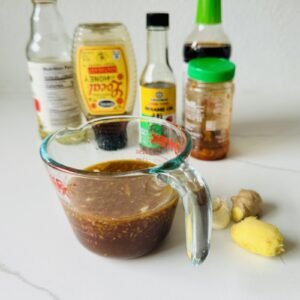
Soy Ginger Marinade and Glaze
A savory, lightly sweet soy ginger marinade made with honey, fresh garlic, rice vinegar, and toasted sesame oil. Reserve a clean portion before marinating, then thicken it into a glossy glaze for salmon, chicken, tofu, vegetables, and rice bowls.
Equipment
- Medium mixing bowl or glass measuring cup
- Separate clean container for the reserved glaze
- Airtight storage jar
Ingredients
Soy Ginger Marinade
- ⅓ cup low sodium soy sauce
- 3 tablespoons honey
- 2 tablespoons unseasoned rice vinegar
- 1 tablespoon fresh ginger finely grated
- 3 cloves garlic finely grated
- 2 teaspoons toasted sesame oil
- 2 teaspoons sriracha or chili garlic sauce use 1 teaspoon for a milder marinade
- 2 tablespoons water
Clean Glaze Slurry
- 1 teaspoon cornstarch
- 1 tablespoon cold water
Instructions
Make and Reserve the Marinade
- Whisk the soy sauce, honey, unseasoned rice vinegar, ginger, garlic, sesame oil, sriracha, and 2 tablespoons water until the honey is fully incorporated.
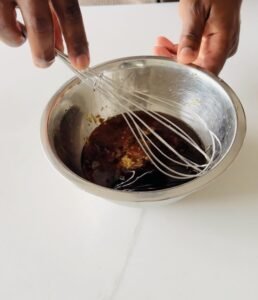
- Measure ⅓ cup into a separate clean container before adding any raw protein. This clean portion will become the glaze.
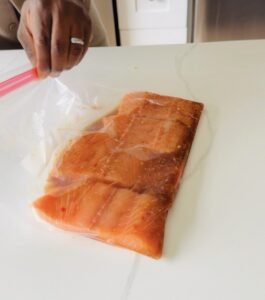
- Add up to 1 ½ pounds salmon, chicken, tofu, shrimp, or vegetables to the remaining marinade. Cover and refrigerate. For salmon, marinate 20 to 30 minutes. Discard the used marinade after removing the protein.
Make the Clean Glaze
- Whisk the cornstarch with 1 tablespoon cold water until smooth.
- Add the slurry to the clean reserved marinade in a small saucepan.
- Bring to a gentle simmer over medium heat and cook for 1 to 2 minutes, whisking, until glossy and lightly thickened.
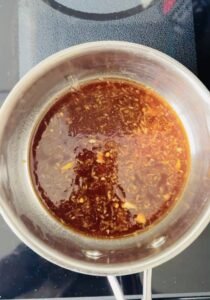
- Remove from the heat. Brush, spoon, or toss the glaze over fully cooked protein or vegetables. Thin with water 1 teaspoon at a time if needed.

Notes
Clean reserve: Always measure the glaze portion before raw protein touches the marinade.
Salmon timing: Marinate fillets or 1 ¼ to 1 ½ inch cubes for 20 to 30 minutes in the refrigerator.
Chicken timing: Marinate boneless chicken for 2 to 6 hours in the refrigerator and cook to 165°F.
Gluten free: Use certified gluten free tamari.
Heat level: Use 1 teaspoon sriracha for mild flavor or up to 3 teaspoons for more heat.
Storage: Refrigerate unused clean marinade or cooked glaze for up to 4 days. Do not store the portion that touched raw salmon.
Yield: About 1 cup total, enough to marinate 1 ½ pounds protein and make about ⅓ cup glaze. One nutrition serving is about 2 tablespoons or 32 grams.
Nutrition: Nutrition is an estimate for the mixture itself. The amount absorbed by a protein and the amount of glaze used will change actual consumption.
Nutrition
Calories: 46kcalCarbohydrates: 8gProtein: 1gFat: 1gSaturated Fat: 0.2gPolyunsaturated Fat: 0.5gMonounsaturated Fat: 0.4gSodium: 420mgPotassium: 45mgFiber: 0.2gSugar: 7gVitamin A: 20IUVitamin C: 1mgCalcium: 8mgIron: 0.4mg
Tried this recipe?Let us know how it was!