
This soy ginger marinade is the kind of recipe that earns a permanent place in the kitchen because it does more than one job. It seasons the protein first, and a clean portion reserved before the raw protein is added becomes a glossy finishing glaze.
Low-sodium soy sauce gives the mixture its savory base. Honey balances the salt and helps the finished glaze shine. Fresh ginger and garlic add warmth, rice vinegar keeps everything bright, toasted sesame oil brings depth, and a little sriracha adds gentle heat.
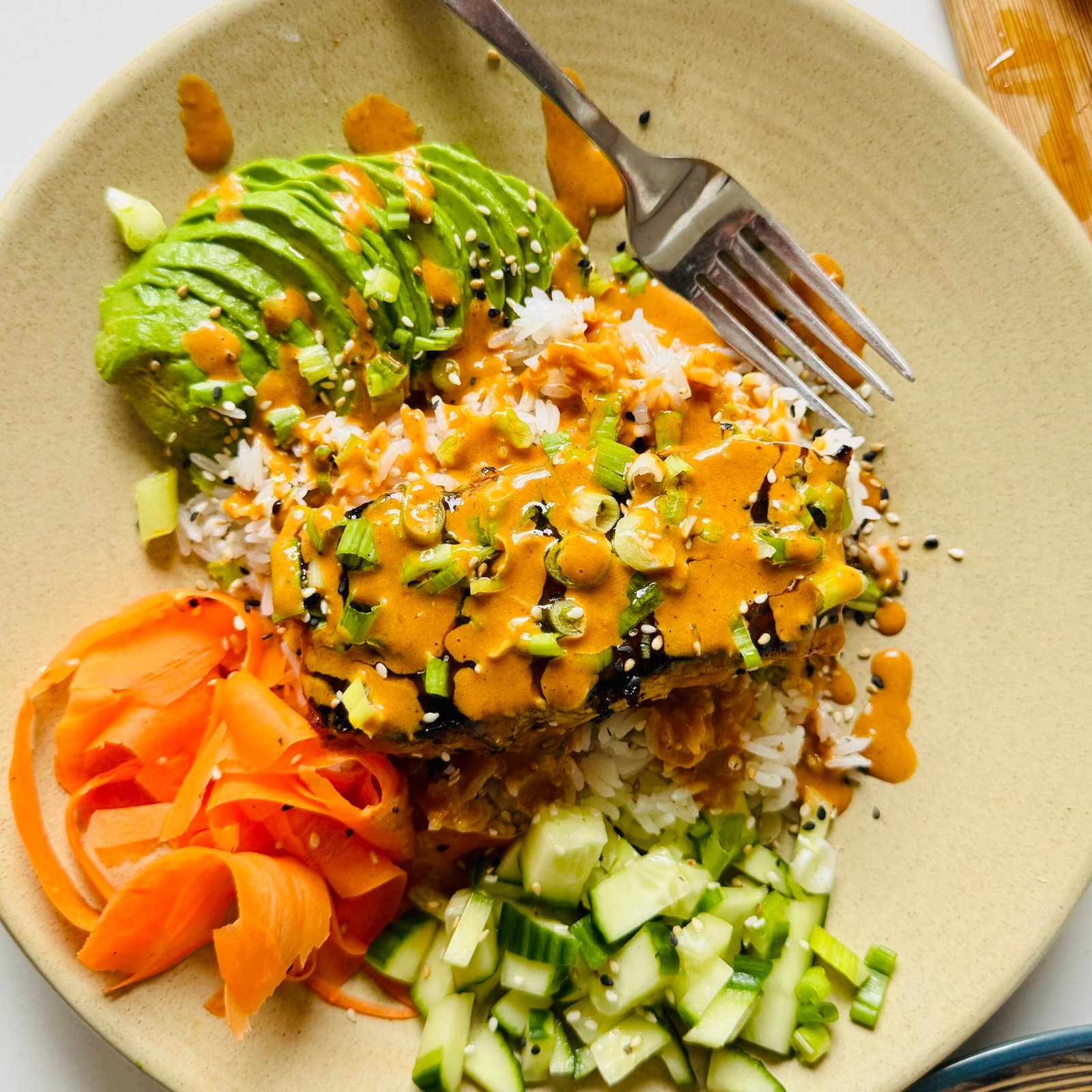
I first built this version for my Soy Ginger Salmon Rice Bowls, where it seasons the salmon and then comes back at the end as a clean glaze. But the same flavor direction works well with chicken, tofu, shrimp, mushrooms, and vegetables when you adjust the marinating and cooking time for what you are using.
That flexibility is why it belongs in my larger Flavor Builders collection. It is not a rule for how dinner has to work. It is simply one useful component you can keep coming back to when soy, ginger, garlic, and sesame sound right.
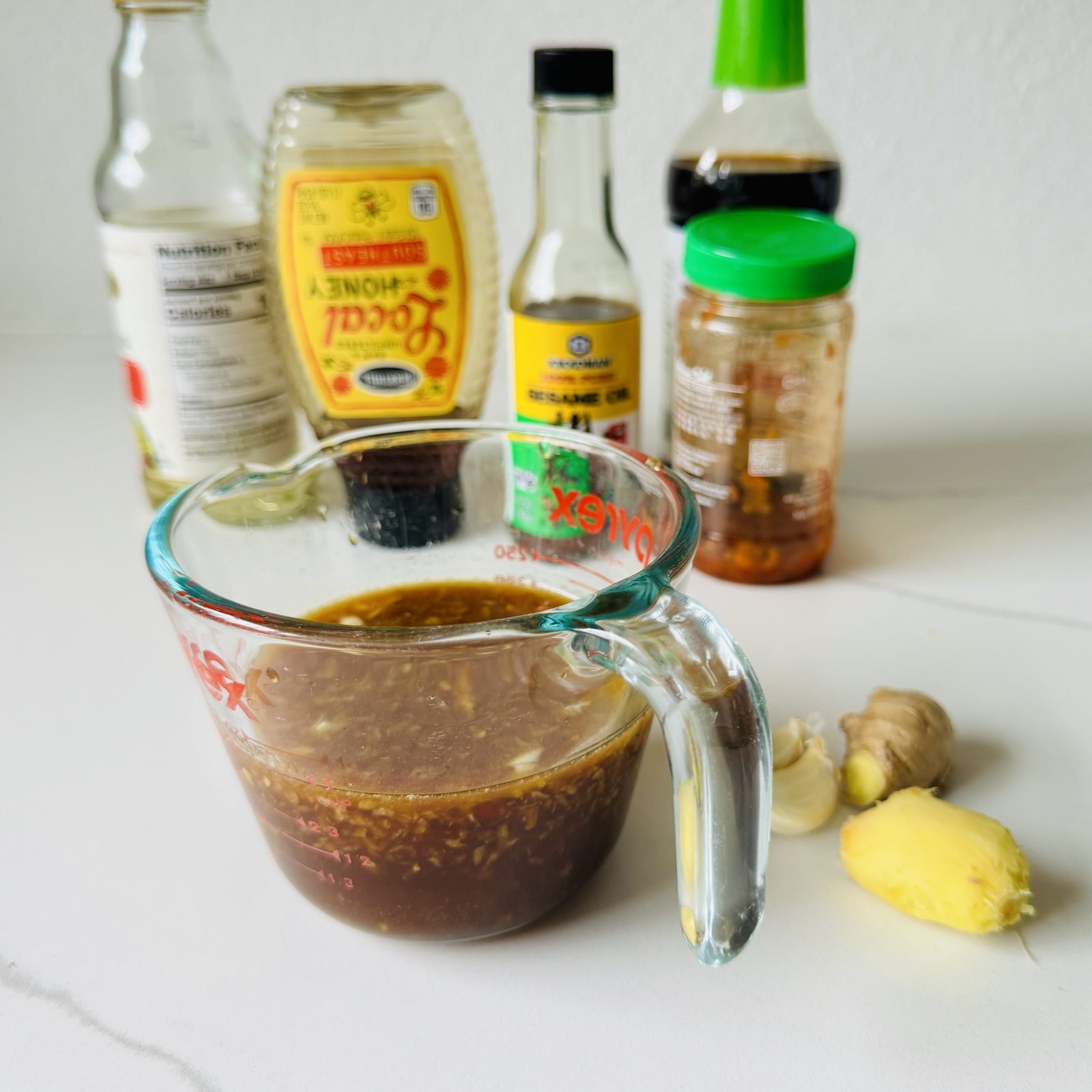
What Does Soy Ginger Marinade Taste Like?
The flavor sits somewhere between a light soy ginger sauce and a honey garlic glaze, but it is less sweet and less heavy than bottled teriyaki sauce.
The soy sauce gives it immediate savory depth. Honey rounds out the salt and helps with browning. Rice vinegar adds enough acidity to keep the mixture lively without making the finished food taste sharply vinegary.
Fresh ginger and garlic stay prominent, while toasted sesame oil lingers in the background. Two teaspoons of sriracha give the mixture warmth rather than aggressive heat. Use less if you want it very mild.
The Most Important Step: Reserve the Glaze First
Before raw salmon, chicken, shrimp, or any other protein touches the marinade, measure out ⅓ cup into a separate clean container. That clean portion is what becomes the glaze.
Once raw protein has been added, treat the remaining marinade as raw-protein marinade. Keep it refrigerated while marinating and discard it after use. USDA guidance says used marinade must be boiled before it is reused as a sauce; reserving a clean portion first is simpler and avoids mixing the two jobs.
USDA FSIS guidance on reusing marinade explains the food-safety reason for that distinction.
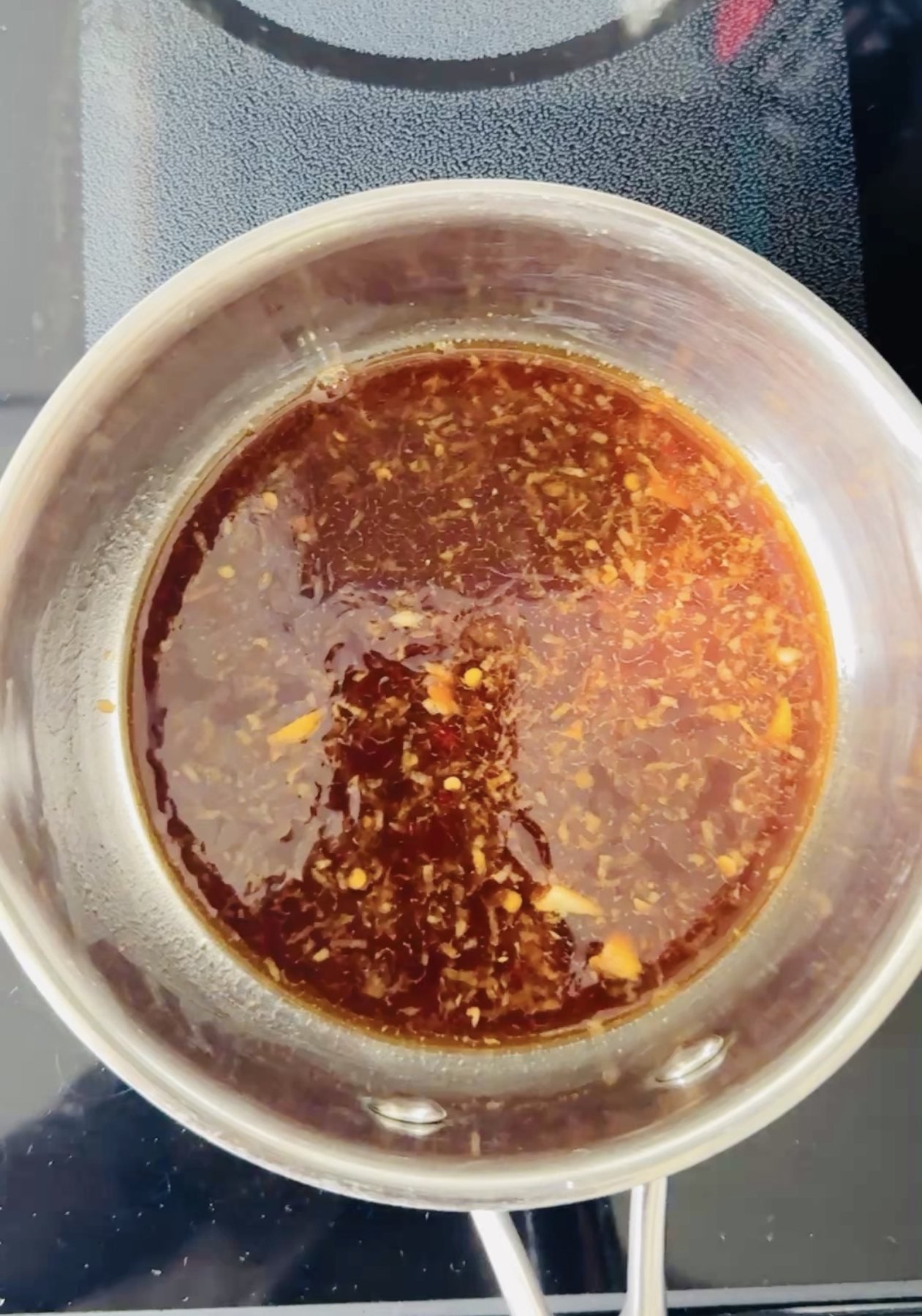
Soy Ginger Marinade Ingredients
Low-Sodium Soy Sauce
Soy sauce is both the main seasoning and the liquid base. Low-sodium soy sauce gives you more room to balance the glaze without making it overly salty as it simmers.
Tamari can work when you need a gluten-free option, but check the label because sodium levels vary by brand.
Honey
Honey balances the soy sauce and helps the reserved portion become shiny and lightly sticky. Because it browns quickly, I prefer to glaze the cooked food rather than coat it heavily with thick glaze before high heat.
Fresh Ginger and Garlic
Fresh aromatics are what make this taste bright rather than bottled. Grating them finely helps the flavor distribute evenly and reduces the chance of large pieces burning during cooking.
Unseasoned Rice Vinegar
Use unseasoned rice vinegar here. Seasoned rice vinegar already contains added sugar and salt, which makes the final balance harder to control.
Toasted Sesame Oil
Two teaspoons are enough. Toasted sesame oil is powerful, so it should support the ginger and soy rather than dominate them.
Sriracha
Sriracha gives the marinade gentle chile heat and a little extra sweetness. Start with less if you are cooking for someone who prefers mild food.
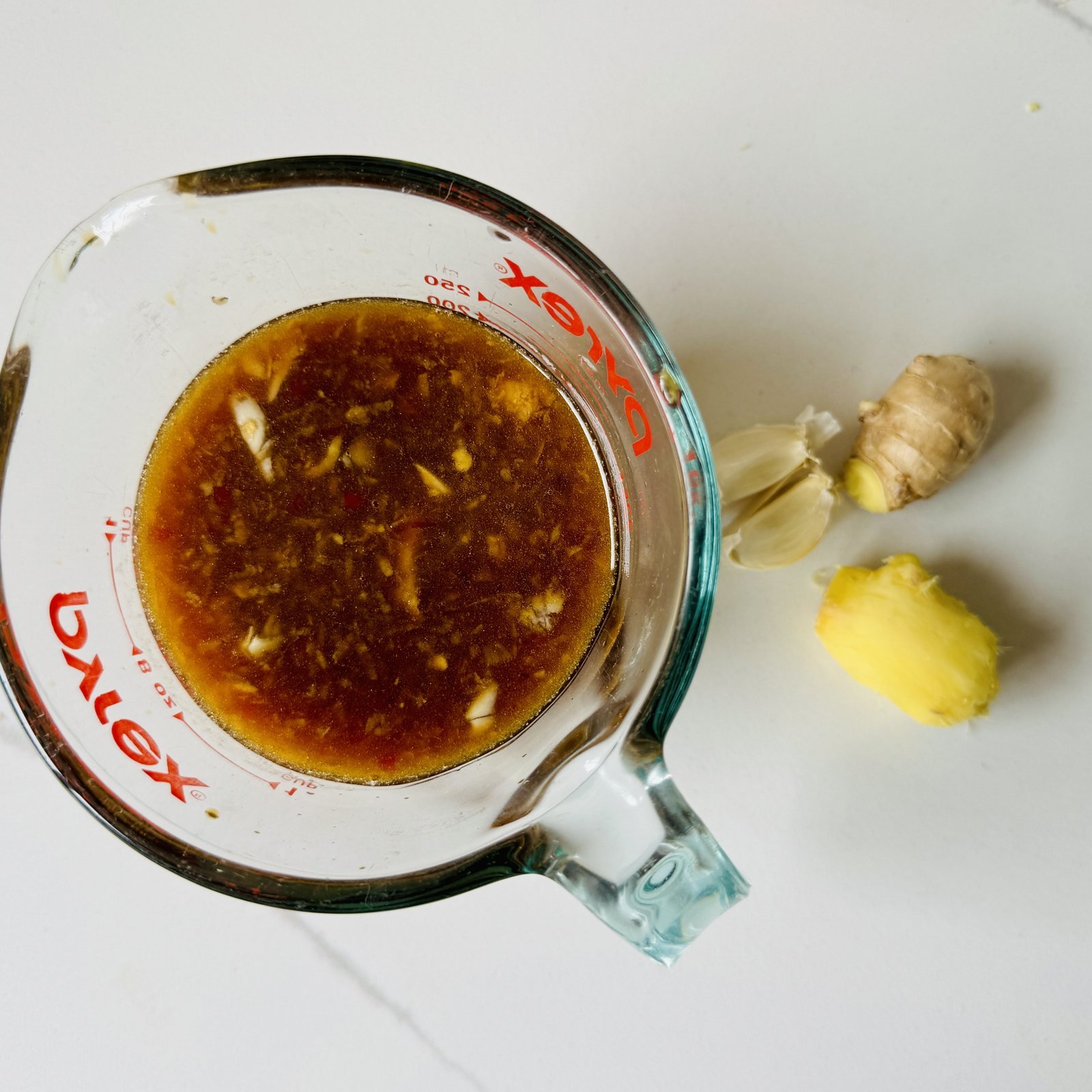
The Tested Soy Ginger Marinade Formula
- ⅓ cup low-sodium soy sauce
- 3 tablespoons honey
- 2 tablespoons unseasoned rice vinegar
- 1 tablespoon finely grated fresh ginger
- 3 garlic cloves, finely grated
- 2 teaspoons toasted sesame oil
- 2 teaspoons sriracha or chili garlic sauce
- 2 tablespoons water
For the clean glaze: reserve ⅓ cup of the mixed marinade before adding raw protein. Whisk 1 teaspoon cornstarch with 1 tablespoon cold water, add it to the clean reserve, and simmer for 1 to 2 minutes until glossy and lightly thickened.
This batch was tested with up to 1½ pounds of salmon for the salmon rice bowls.
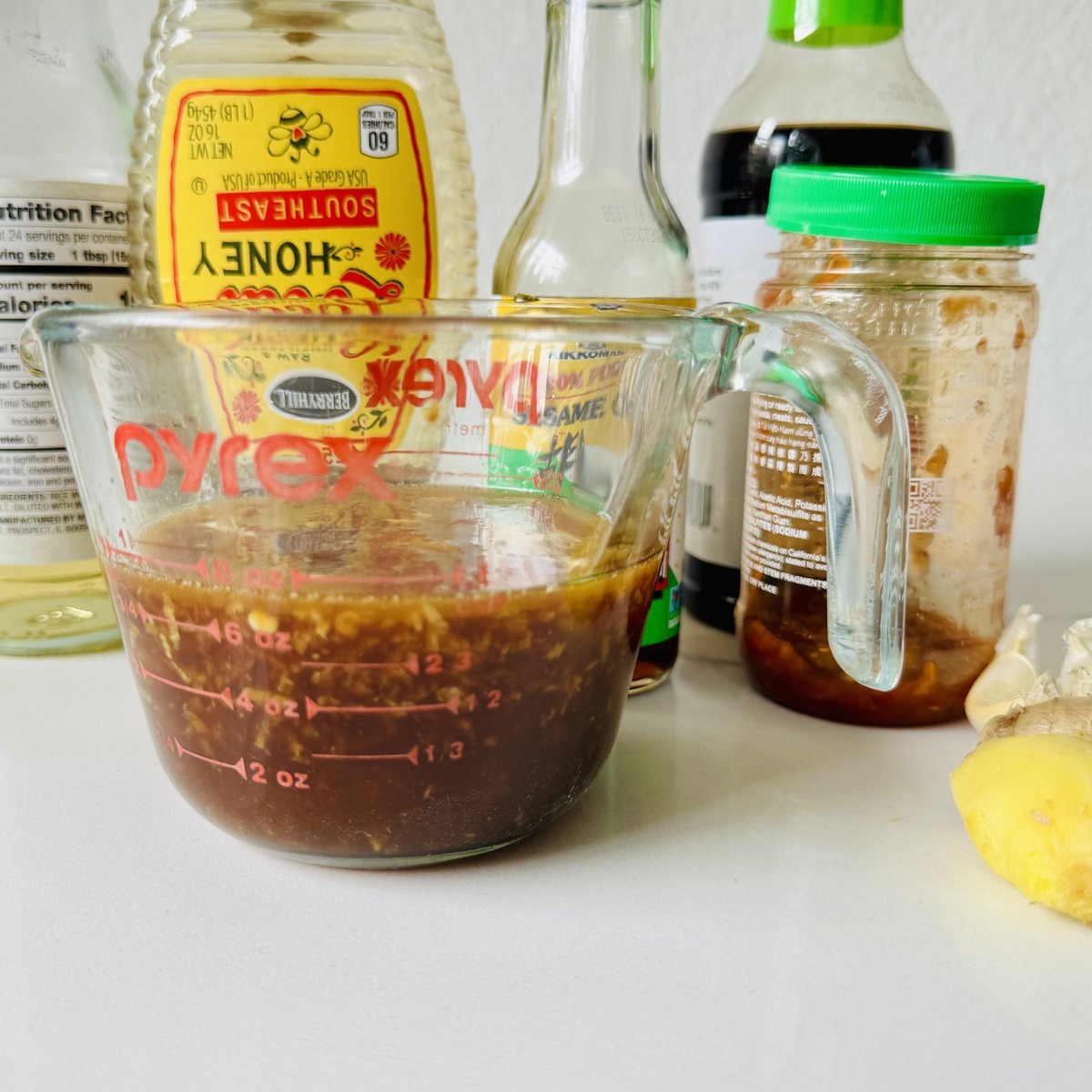
How to Make Soy Ginger Marinade and Glaze
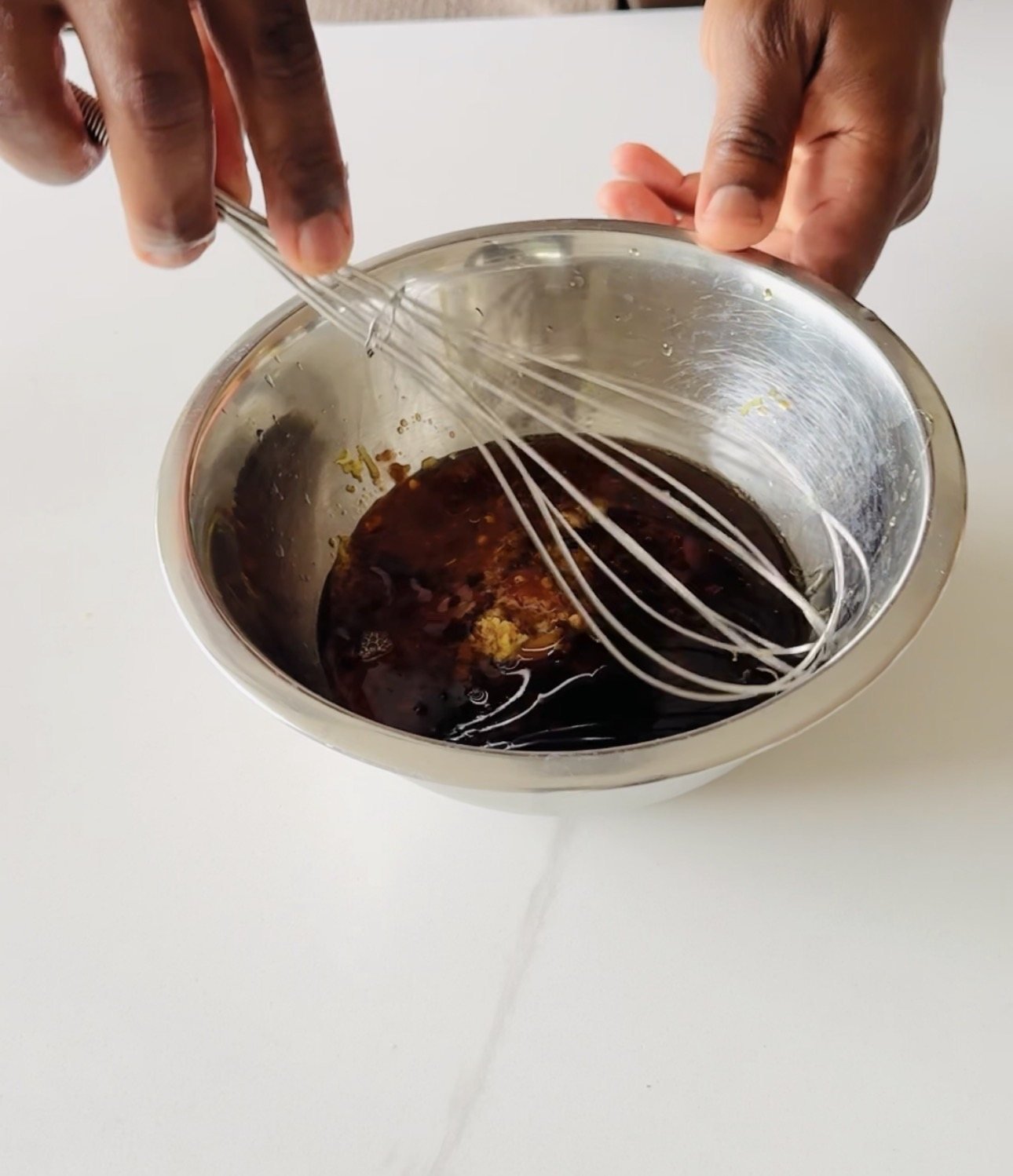
- Whisk the soy sauce, honey, unseasoned rice vinegar, ginger, garlic, toasted sesame oil, sriracha, and water until the honey is mostly dissolved.
- Immediately measure ⅓ cup into a separate clean container. Keep it refrigerated until you are ready to make the glaze.
- Add the remaining marinade to the protein. Cover and marinate in the refrigerator for the appropriate amount of time.
- When the food is almost finished cooking, whisk 1 teaspoon cornstarch with 1 tablespoon cold water.
- Add the slurry to the clean reserved marinade and simmer for 1 to 2 minutes, whisking, until glossy and lightly thickened.
- Spoon or brush the warm glaze over the cooked food. Discard the marinade that touched raw protein.
How Long to Marinate Salmon
For the salmon rice bowls, 20 to 30 minutes is the tested window. That is enough time to season the surface while keeping the recipe weeknight-friendly.
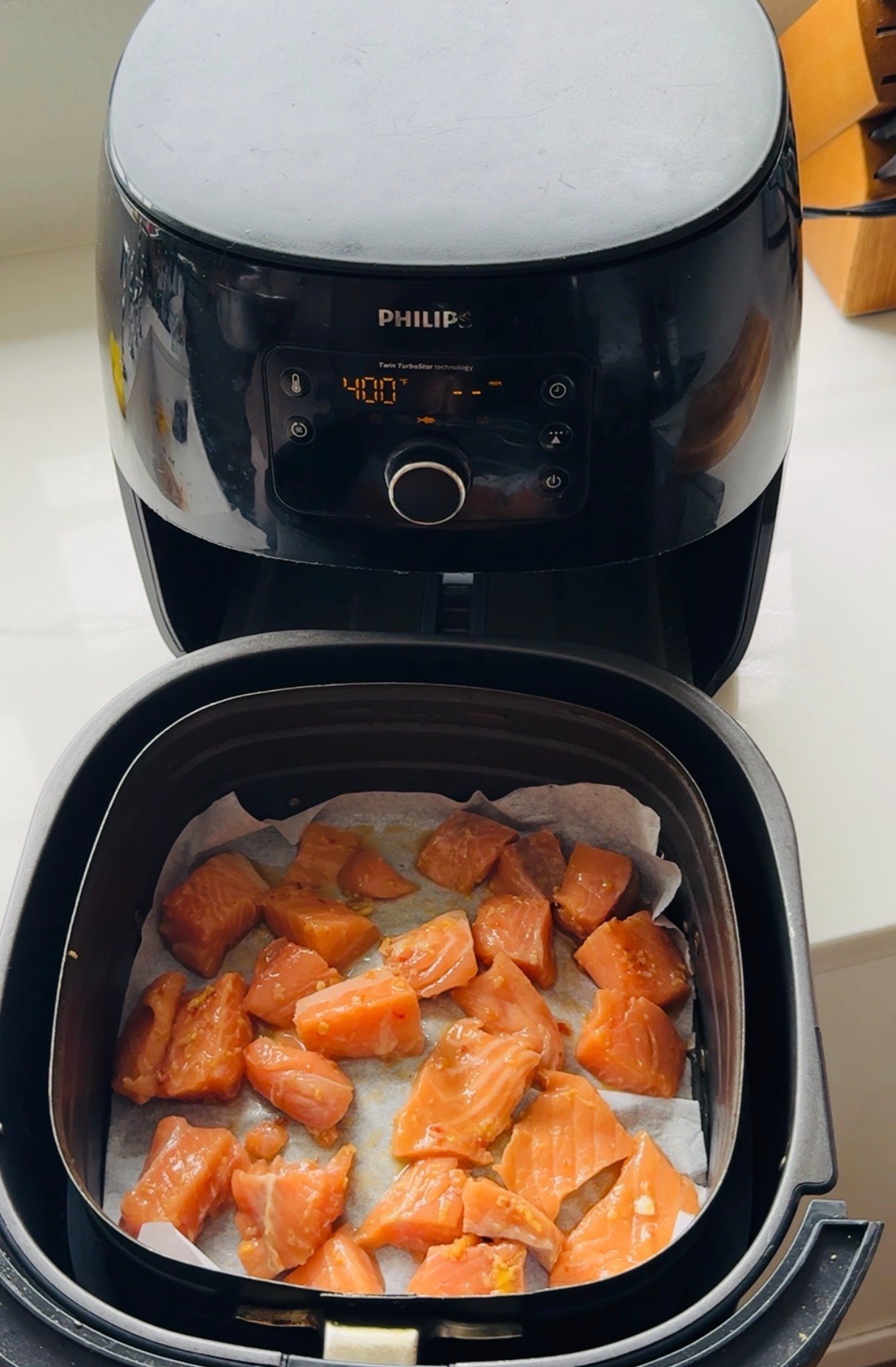
Keep the salmon refrigerated while it marinates. If you are making air fryer bites, cut the salmon into pieces about 1¼ to 1½ inches wide so they cook at a similar pace.
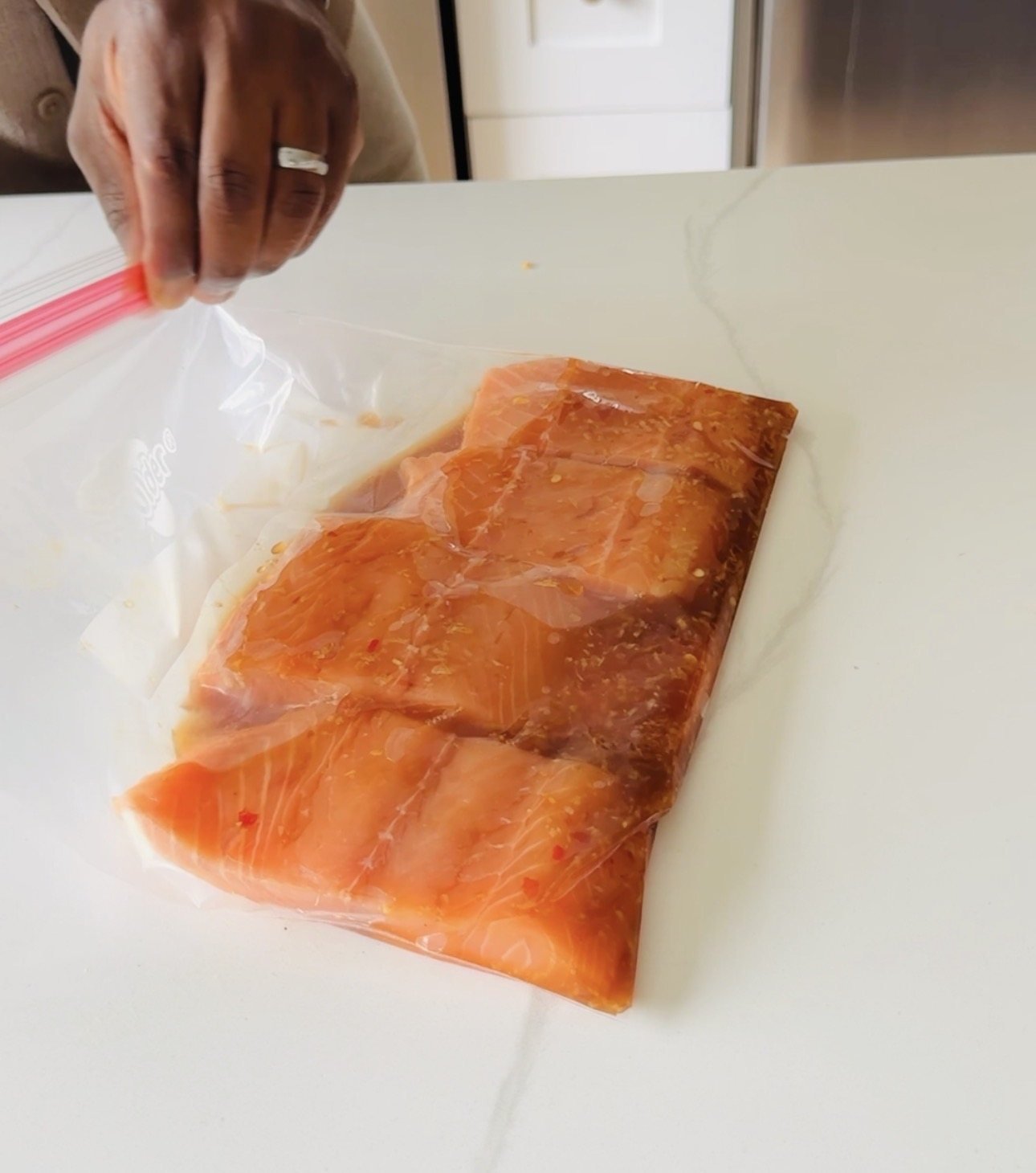
There is no need to leave this salmon overnight. The marinade is designed to do its work quickly, and the clean glaze brings the same flavor back after cooking.
Can You Use This Marinade for Chicken, Shrimp, or Tofu?
Yes, with the understanding that the photographed and fully tested application for this post is salmon. The flavor profile also makes sense with other proteins and vegetables, but marinating and cooking times should be adjusted for what you are using.
- Chicken: use the marinade as a savory-sweet flavor base and cook chicken to 165°F.
- Shrimp: keep the marinating time short because shrimp is delicate.
- Tofu: press extra-firm tofu first so the surface can take on more of the marinade.
- Mushrooms and vegetables: toss shortly before cooking rather than soaking for hours.
For the tested salmon application, use the Soy Ginger Salmon Rice Bowls. If you are adapting the marinade to chicken, shrimp, tofu, or another protein, use my complete marinating-time guide for a practical timing range. For other flavor directions and ways to build a meal around them, browse Flavor Builders.
How to Turn the Clean Reserve Into a Glaze
Cornstarch needs cold water first. Whisk the cornstarch and water into a smooth slurry, then add that slurry to the clean reserved marinade.
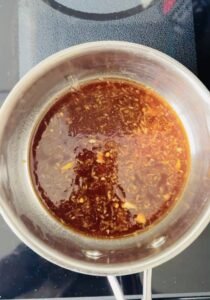
Simmer gently for 1 to 2 minutes, whisking. The glaze should coat the back of a spoon but still pour easily. It thickens a little more as it cools.
If it becomes too thick, whisk in water one teaspoon at a time. If it still looks thin after two minutes, let it simmer another 30 seconds before deciding whether it needs anything else.
Common Mistakes to Avoid
Reserving the Glaze Too Late
Measure the clean ⅓ cup before the raw protein goes anywhere near the marinade.
Using Seasoned Rice Vinegar
Seasoned rice vinegar adds extra sugar and salt. Use unseasoned vinegar in this recipe so the soy and honey stay balanced.
Adding Thick Glaze Before High Heat
The honey can burn. Let excess marinade drip away before cooking, then add the clean glaze after the food is cooked or very near the end.
Reducing the Glaze Too Hard
A gentle simmer is enough. Hard boiling can make a soy-based glaze too salty and too thick.
Ways to Use Soy Ginger Marinade and Glaze
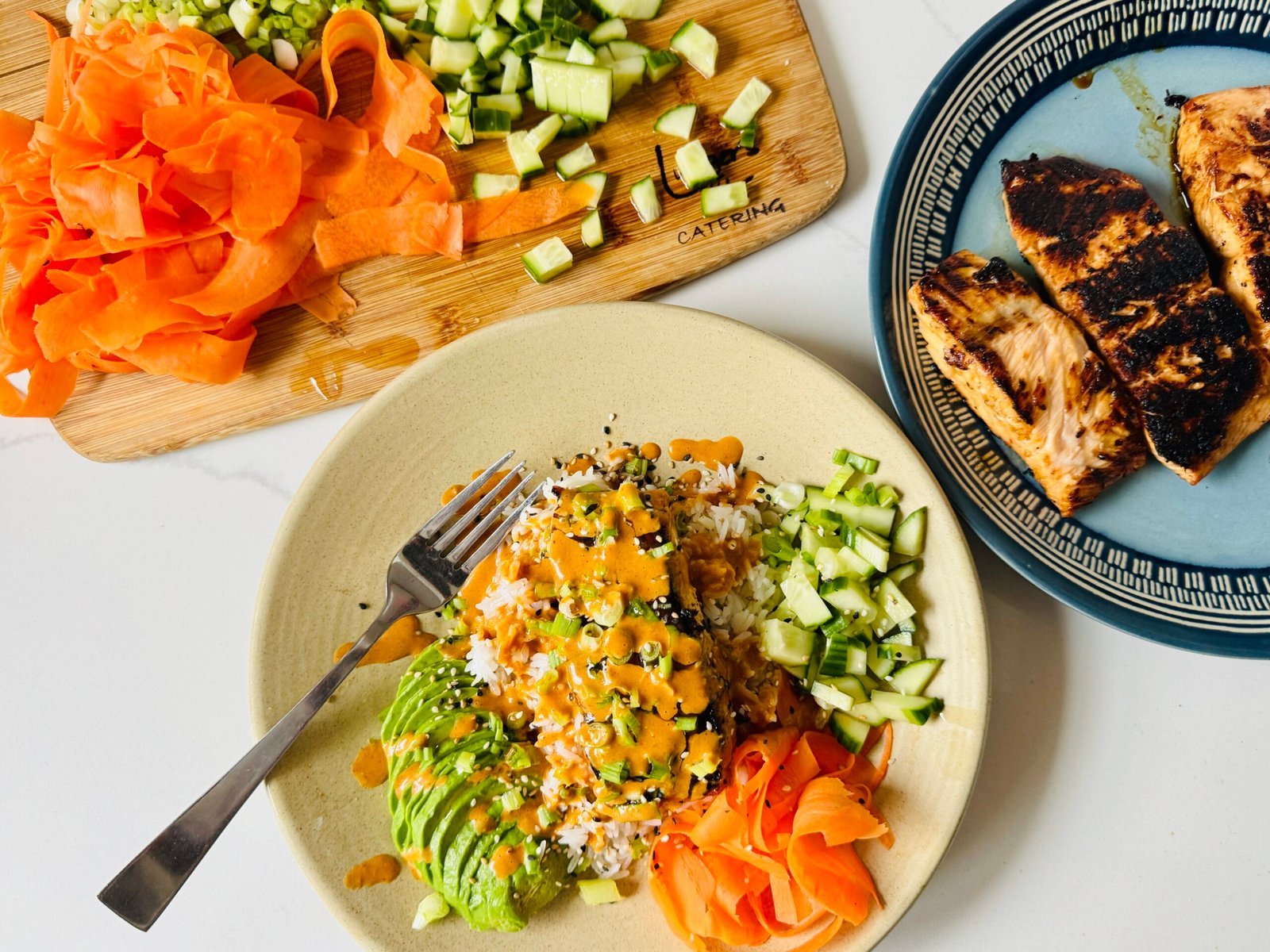
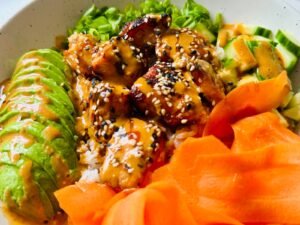
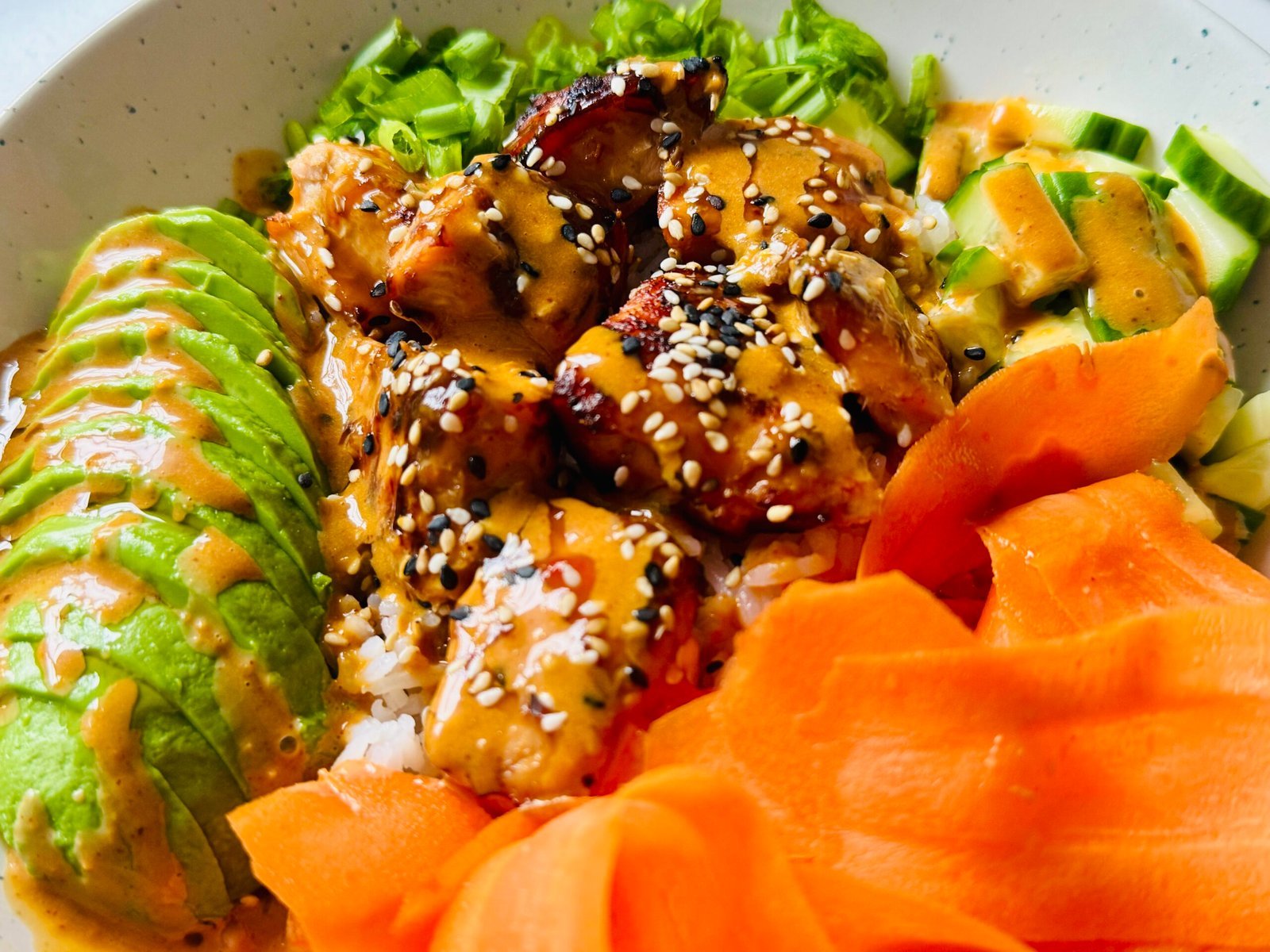
The best place to start is the Soy Ginger Salmon Rice Bowls. The salmon can be cooked as air fryer bites or skillet-seared fillets, then finished with this glaze and my Sesame Ginger Gochujang Sauce.
Beyond that recipe, use the same flavor direction for chicken rice bowls, tofu and mushroom bowls, shrimp noodles, roasted broccoli, green beans, or a quick weeknight stir-fry.
If you enjoy keeping flexible flavor components around, browse Flavor Builders for sauces, marinades, syrups, finishing salts, compound butters, pickles, dressings, and more.
Make-Ahead and Storage
For best flavor, make the clean marinade up to two days ahead and keep it covered in the refrigerator. Whisk or shake it again before using because the ingredients will settle.
Once raw protein has been added, follow the storage limits for that raw food and keep it refrigerated the entire time. Do not save the used marinade for another batch.
The cooked glaze is best made close to serving. If you refrigerate leftover clean cooked glaze, reheat it gently and add a teaspoon of water if it has become too thick.
Soy Ginger Marinade and Glaze
Equipment
- Medium mixing bowl or glass measuring cup
- Separate clean container for the reserved glaze
- Airtight storage jar
Ingredients
Soy Ginger Marinade
- ⅓ cup low sodium soy sauce
- 3 tablespoons honey
- 2 tablespoons unseasoned rice vinegar
- 1 tablespoon fresh ginger finely grated
- 3 cloves garlic finely grated
- 2 teaspoons toasted sesame oil
- 2 teaspoons sriracha or chili garlic sauce use 1 teaspoon for a milder marinade
- 2 tablespoons water
Clean Glaze Slurry
- 1 teaspoon cornstarch
- 1 tablespoon cold water
Instructions
Make and Reserve the Marinade
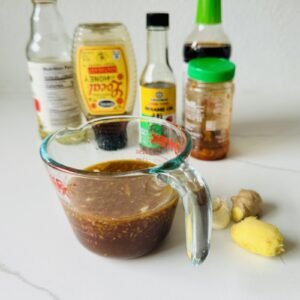
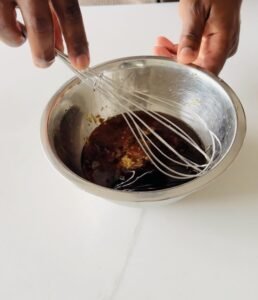
- Whisk the soy sauce, honey, unseasoned rice vinegar, ginger, garlic, sesame oil, sriracha, and 2 tablespoons water until the honey is fully incorporated.

- Measure ⅓ cup into a separate clean container before adding any raw protein. This clean portion will become the glaze.
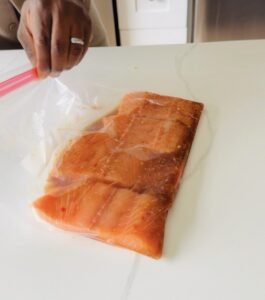
- Add up to 1 ½ pounds salmon, chicken, tofu, shrimp, or vegetables to the remaining marinade. Cover and refrigerate. For salmon, marinate 20 to 30 minutes. Discard the used marinade after removing the protein.

Make the Clean Glaze
- Whisk the cornstarch with 1 tablespoon cold water until smooth.
- Add the slurry to the clean reserved marinade in a small saucepan.
- Bring to a gentle simmer over medium heat and cook for 1 to 2 minutes, whisking, until glossy and lightly thickened.

- Remove from the heat. Brush, spoon, or toss the glaze over fully cooked protein or vegetables. Thin with water 1 teaspoon at a time if needed.

Notes
Nutrition
Frequently Asked Questions
Can Soy Ginger Marinade Be Used as a Glaze?
Yes. Reserve a clean portion before adding raw protein, then thicken that clean portion with a cornstarch slurry and simmer it briefly until glossy.
How Long Should Salmon Marinate?
For this tested recipe, marinate salmon for 20 to 30 minutes in the refrigerator.
Is This the Same as Teriyaki Sauce?
No. It shares soy and sweet flavors with teriyaki, but this version is lighter, more ginger-forward, and designed first as a marinade. It becomes glaze-like only when the clean reserved portion is thickened.
Can I Reuse the Marinade That Touched Raw Salmon?
The simplest method is not to. Reserve the clean glaze first and discard the portion that touched raw salmon. If you ever choose to reuse raw-protein marinade as a sauce, follow current USDA guidance for fully boiling it first.
One Flavor Base, Two Jobs
This is what makes the marinade worth keeping: it starts the flavor and finishes it without requiring a completely separate sauce.
Use it first with the Soy Ginger Salmon Rice Bowls. Once you know the flavor, it becomes easy to see where else soy, ginger, garlic, sesame, and a little sweetness can fit into your cooking.
For another everyday flavor direction, try the Lemon Dijon Marinade with Pan Sauce. Or make the Greek Yogurt Chicken Marinade when you want a creamy, herb-forward coating.
Some links in this post may be affiliate links, which means I may earn a small commission at no extra cost to you.



Comments
No Comments