
A well-stocked pantry is about more than dry goods.
Yes, it helps to have rice, beans, pasta, and canned tomatoes on hand. But a practical pantry is not just a shelf full of staples. It is the collection of ingredients, condiments, sauces, and make-ahead components that help you get good food on the table more easily.
It should help you make breakfast without overthinking it. Lunch should come together from what is already in the fridge. And it should make dinner feel less like a last-minute scramble.
That is a big part of the idea behind my Pantry-First Method. The goal is not to stock everything. The goal is to stock enough of the right things that meals can come together with more rhythm, more flexibility, and a lot less stress.
A real pantry includes dry goods, yes. But it also includes sauces, condiments, pickled vegetables, oils, vinegars, spice blends, citrus, yogurt, hot sauce, granola, syrups, and other things you make ahead or keep around because they make real-life cooking easier.
That is what this post is about.
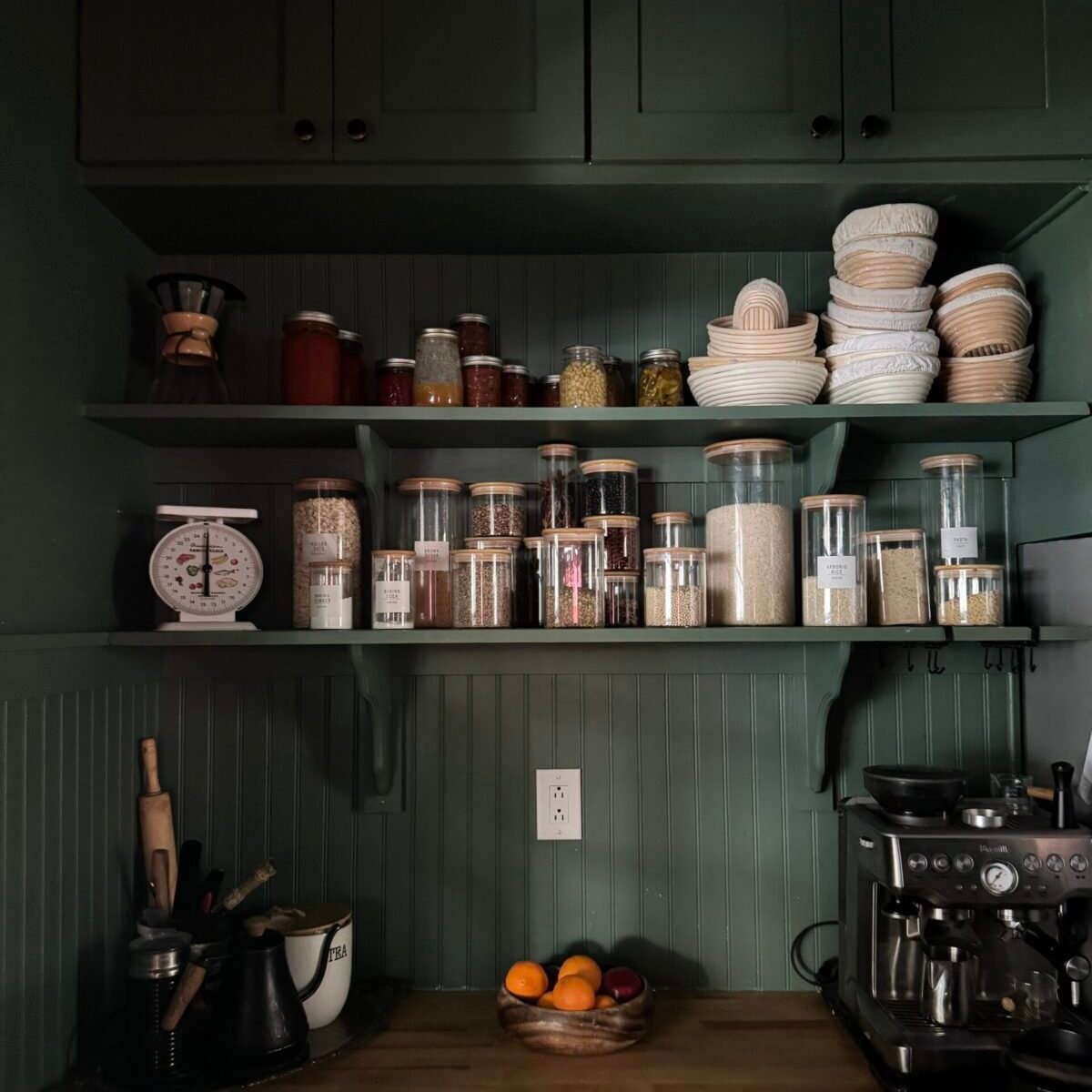
Quick answer: what should be in a well-stocked pantry?
If you are looking for a simple answer, here is what I think every practical pantry should include:
- 3 to 4 grains or starches you use often
- 2 to 3 proteins or pantry-friendly meal builders
- 2 good oils
- 3 to 4 vinegars or acids
- a core set of spices and seasonings
- a few fresh aromatics, herbs, and vegetables
- 2 make-ahead sauces
- 1 bright, crunchy, or spicy finishing item
- 1 easy breakfast staple
That is enough to make a surprising number of breakfasts, lunches, and dinners.
What pantry essentials actually means
When people talk about pantry essentials, they usually mean shelf-stable staples.
I think the category should be much broader than that.
A useful pantry includes the ingredients and components that help meals come together across your pantry, fridge, and freezer. If it helps you cook faster, add flavor, use what you have, or build meals more easily, it counts.
That means pantry essentials can include:
- rice, pasta, oats, couscous, and beans
- olive oil, neutral oil, vinegars, and citrus
- mustard, mayo, tahini, and hot sauce
- spice blends and reliable everyday seasonings
- herbs, garlic, onions, and vegetables you reach for constantly
- jars of sauce, pickled onions, kimchi, or dressings
- homemade granola, syrups, and breakfast staples
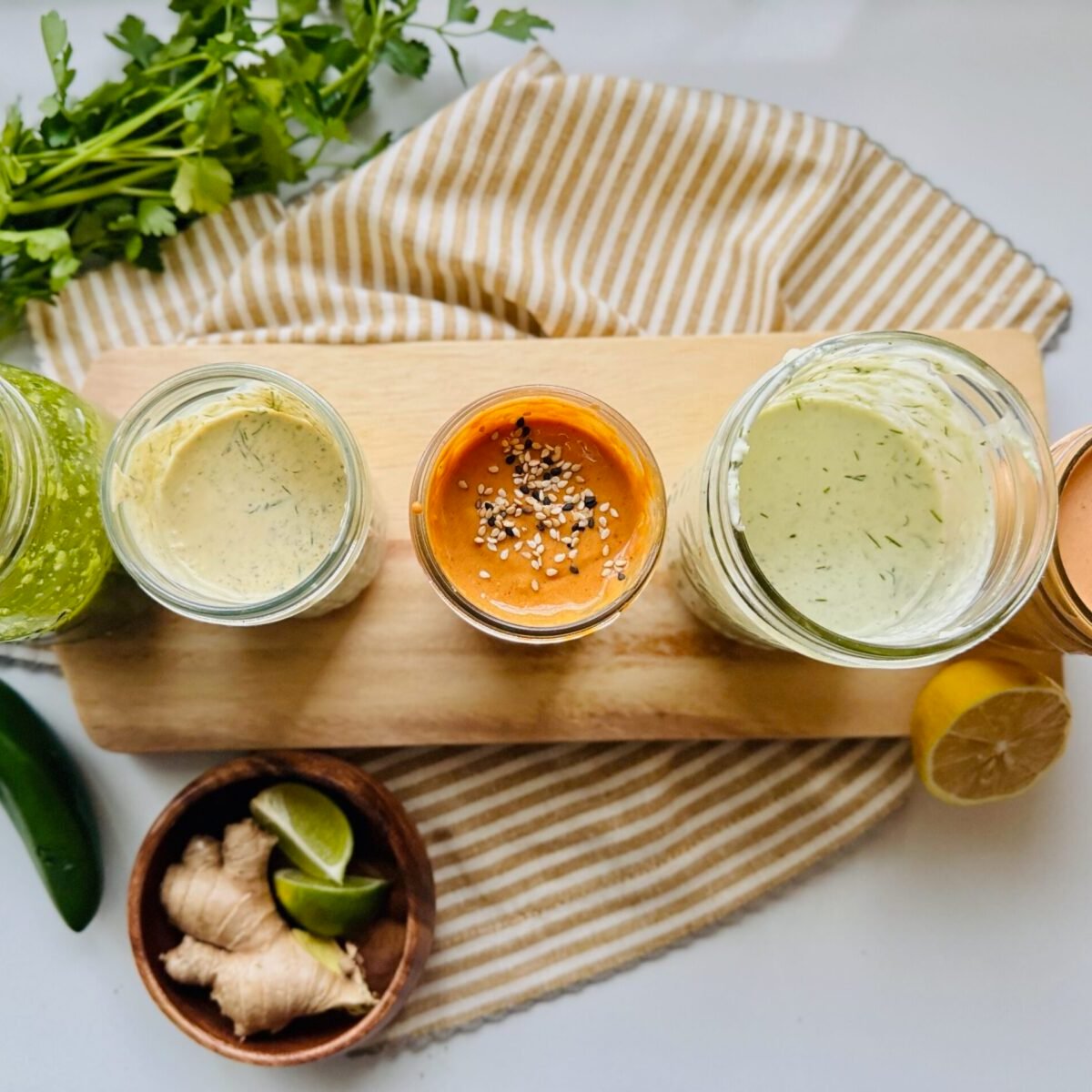
That broader definition is a big part of how I cook. It is also why I talk so much about The 5 House Sauces We Use to Design Easy Weeknight Meals. A well-stocked pantry is not just about ingredients. It is about keeping flavor and direction on hand.
Soy sauce, rice vinegar, honey, sesame oil, ginger, and garlic can become a Soy Ginger Marinade and Glaze in minutes. It is a practical example of how a few pantry staples can season protein and create the finishing glaze for a complete salmon rice bowl.
The goal is not to have everything
This is the most important part of the whole post.
A well-stocked pantry does not mean a full pantry in every category. It does not mean you need every grain, every spice, every oil, or every condiment.
It means you know the kinds of meals you repeat, and you keep enough on hand to support those meals.
If you love bowls, stock grains, chickpeas, herbs, yogurt, sauces, and crunchy toppings.
If you make wraps and sandwiches often, keep tortillas, buns, mayo, mustard, pickles, and a couple of good sauces around.
If breakfast is rushed, keep oats, eggs, yogurt, fruit, nut butter, and homemade Pistachio Coconut Granola on hand.
If you host, keep crackers, butter, condiments, syrups, pantry staples, and flavor boosters that help you pull together something generous without much effort.
The best pantry is not the one with the most stuff. It is the one that matches your rhythm.
My practical pantry essentials list
1. Grains, starches, and bases
These are the ingredients that give meals structure.
I do not think you need to stock every option. I think it makes more sense to keep a small rotation of grains and starches you actually enjoy and use often.
Some of the most useful are:
- rice
- pasta
- oats
- couscous
- noodles
- potatoes
- sweet potatoes
- bread
- tortillas or wraps
These basics can stretch far. Rice can become a bowl, a side dish, or Kimchi Fried Rice with Mushrooms and Fried Egg. Sweet potatoes can become dinner, lunch, or a base for leftovers. Oats can become breakfast all week.
2. Proteins and pantry-friendly meal builders
The point here is not variety for its own sake. It is flexibility.
A few dependable proteins or meal builders can support a lot of meals when you pair them with the right sauces, vegetables, and starches.
Some of my favorites to keep on hand are:
- chicken
- salmon
- beef
- chickpeas
- black beans
- white beans
- eggs
- tofu
- feta or queso fresco
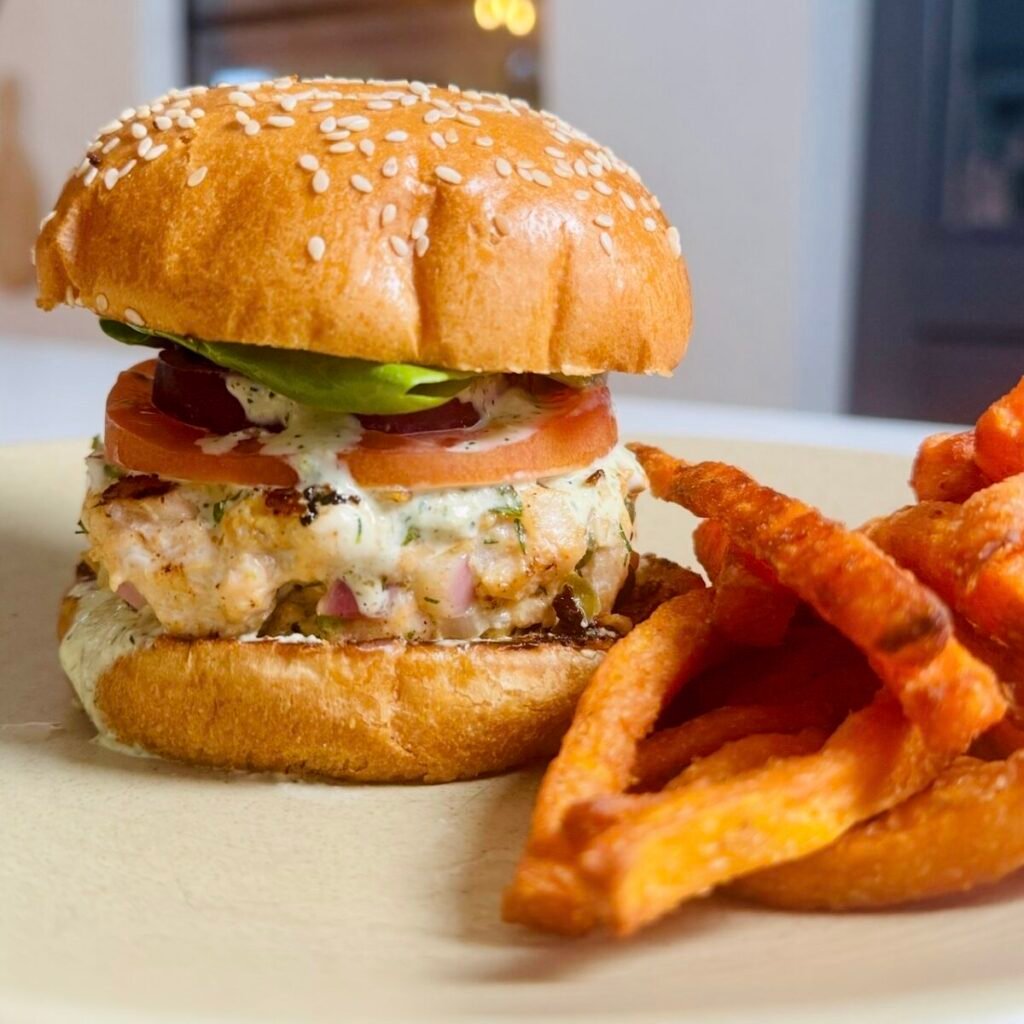
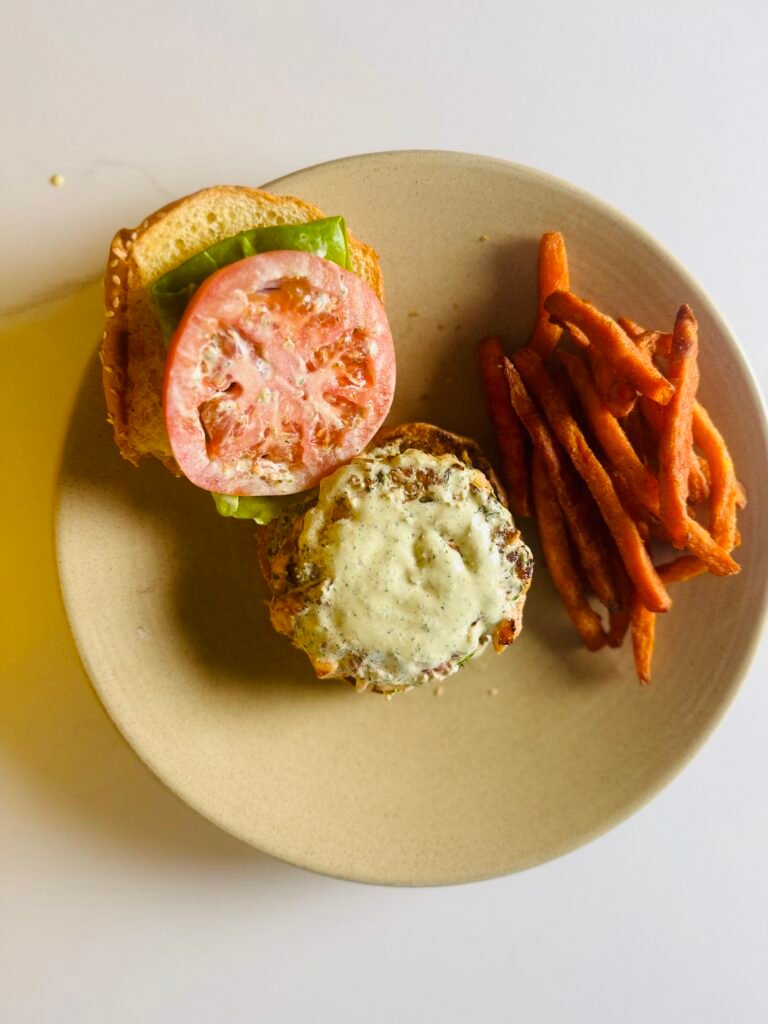
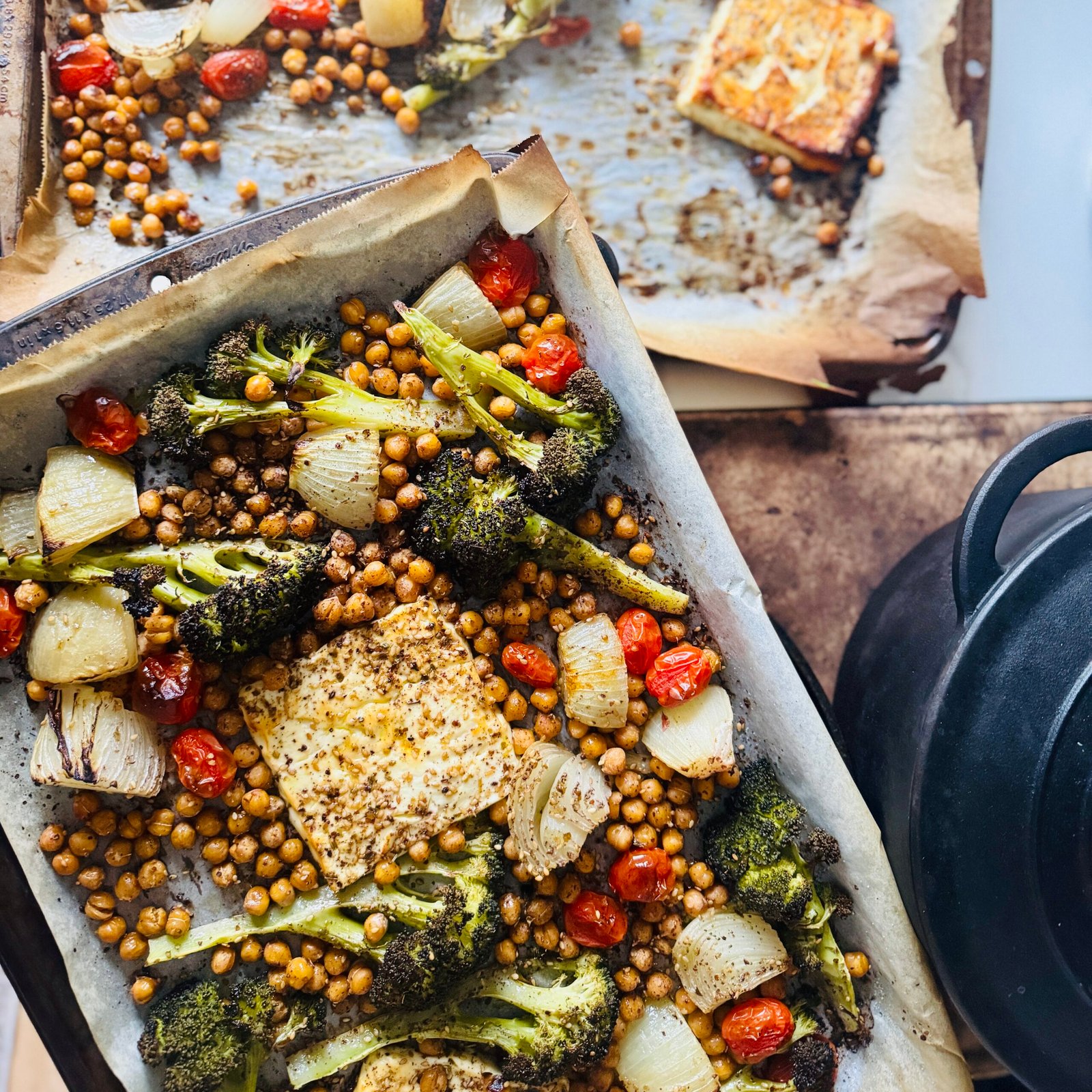
This is what makes meals like my Curry Chickpea Bowl with Creamy Greek Sauce, Za’atar Baked Feta Bowl with Chickpeas, Broccoli, and Green Sauce, and Salmon Burger with Old Bay Dill Secret Sauce feel doable on a weeknight.
Keep corn tortillas, a melting cheese, and a batch of mojo marinade on hand, and they can become crispy chicken tacos with very little additional planning.
3. Oils to always keep on hand
A good pantry needs a few fats that can carry cooking, roasting, dressings, and finishing.
I think the most useful pantry oils are:
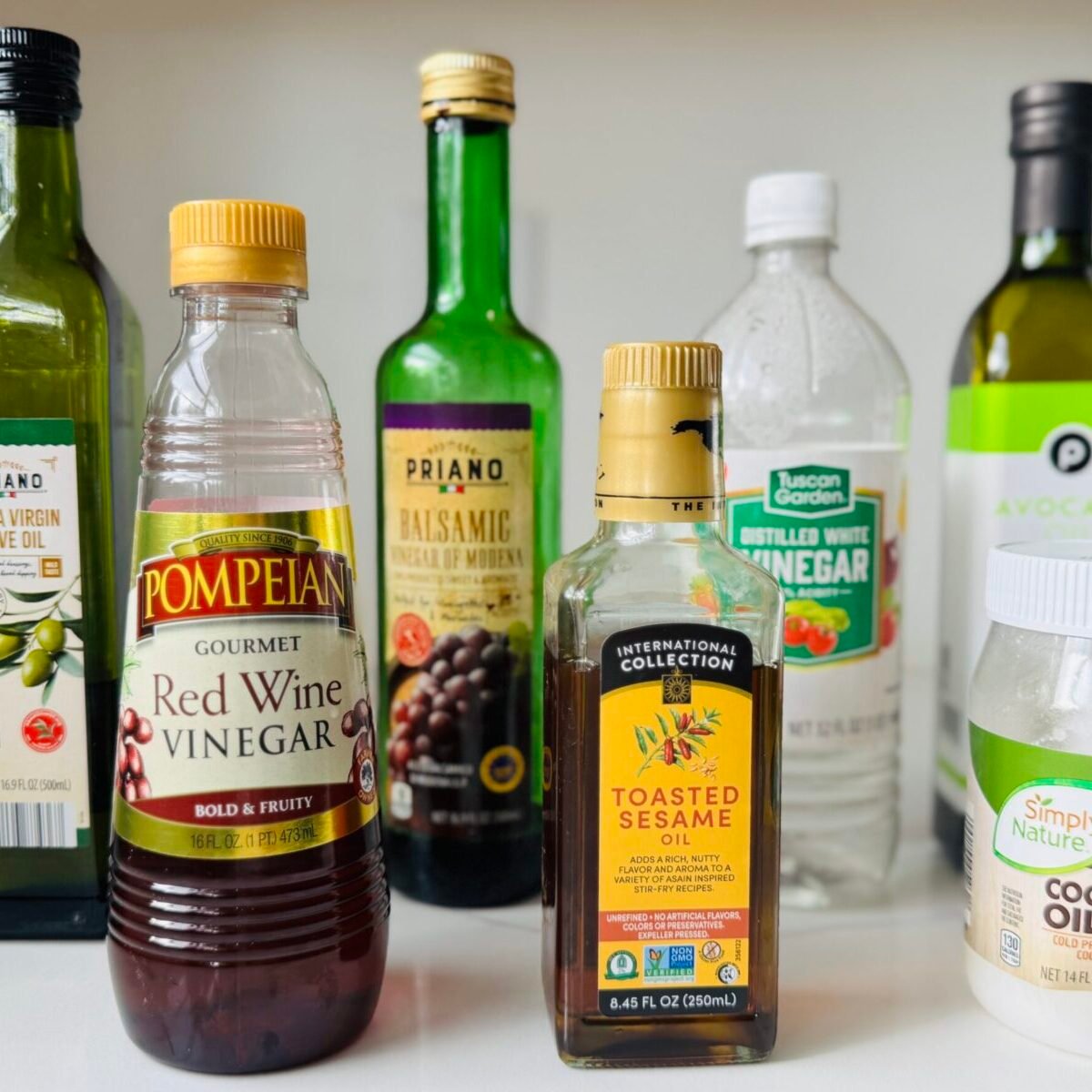
- extra virgin and regular olive oil for dressings, roasting, drizzling, and everyday cooking
- a neutral oil like avocado oil or grapeseed oil for higher-heat cooking
- sesame oil, if you cook a lot of noodle bowls, rice dishes, or sauces with Asian-inspired flavors
Olive oil is one of the hardest-working ingredients in the kitchen. It helps roasted vegetables taste richer, dressings feel balanced, and simple food taste more complete.
Neutral oil gives you flexibility.
Sesame oil is optional, but if you use it regularly, it adds a lot of depth quickly.
4. Vinegars and acids that wake up a meal
You can have all the grains, proteins, and vegetables in the world, but if you do not have acid, meals can still feel flat.
These are the vinegars and acids I think are most useful to keep around:
- red wine vinegar
- apple cider vinegar
- rice vinegar
- balsamic vinegar
- lemons
- limes
A splash of vinegar can turn leftovers into lunch. A squeeze of lime can wake up tacos, soups, eggs, or grain bowls. Lemon can brighten dressings, sauces, vegetables, and yogurt.
This is one of the easiest ways to make simple meals taste more intentional.
5. Spices and seasonings that do real work
A strong pantry does not need fifty spices. It needs a dependable core set that can carry everyday cooking, plus a second layer of seasonings that gives you more breadth across different cuisines.
When I looked at broad home-cooking pantry guides, the most consistently useful spices were the ones that build savory depth, gentle heat, herbiness, warmth, and flexibility across multiple kinds of meals. Coriander stood out in particular because it works across Indian, Middle Eastern, Mediterranean, and Latin-style cooking, and it also bridges both savory and sweet dishes especially well.
My core everyday spice and seasoning list
If I were building a practical pantry from scratch, I would start with these 12:
- kosher salt
- black pepper
- garlic powder
- onion powder
- paprika or smoked paprika
- ground cumin
- chili powder
- crushed red pepper flakes
- dried oregano
- dried thyme
- ground cinnamon
- ground coriander
These are the seasonings that do the broadest day-to-day work. They help with eggs, roasted vegetables, soups, beans, sauces, rice dishes, marinades, dry rubs, and simple proteins. They are the backbone of a spice drawer that actually gets used.
My second layer for more range and more personality
Once that base is in place, this is the second layer I would add to make the pantry stretch further and give you more flexibility across different styles of cooking:
- Old Bay seasoning
- chicken bouillon powder
- a Mediterranean seasoning blend like za’atar
- garam masala
- allspice
- curry powder
- ground ginger
- turmeric
- bay leaves
- cayenne pepper
- cardamom
- sumac
This second layer is what gives a pantry more range. Old Bay makes seafood, potatoes, burgers, and creamy sauces easier to season. Chicken bouillon powder is not technically a spice, but it absolutely earns its place here because it adds fast savory depth to rice, beans, soups, sauces, and vegetables. Za’atar, garam masala, curry powder, turmeric, ginger, cardamom, and sumac help a pantry move more easily into Mediterranean, Indian-inspired, and other globally influenced cooking. Bay leaves and cayenne are also classic pantry workhorses for adding aroma and heat with very little effort.
For The Colorful Pantry, this is the kind of spice setup that makes the most sense to me: a universal core, then a second layer that reflects how I actually cook. I want a pantry that can handle weeknight bowls, roasted vegetables, quick breakfast eggs, Mediterranean-style dinners, seafood, pantry lunches, and warmer spiced dishes without needing an overflowing cabinet.
6. Fresh aromatics, herbs, and vegetables that carry a lot of meals
A practical pantry is not only shelf-stable. It includes the fresh ingredients that help your cooking feel vibrant and complete.
These are some of the fresh ingredients I think are most useful to keep around:
- onions
- garlic
- lemons
- limes
- tomatoes
- cucumbers
- carrots
- leafy greens
- bell peppers
- parsley
- cilantro
- dill
- mint
- scallions
These ingredients stretch across all three meals of the day. Herbs can turn yogurt into sauce, leftovers into lunch, and eggs into something brighter. Onions and garlic build flavor from the start. Tomatoes and cucumbers can bulk up a lunch plate or bowl with almost no effort.
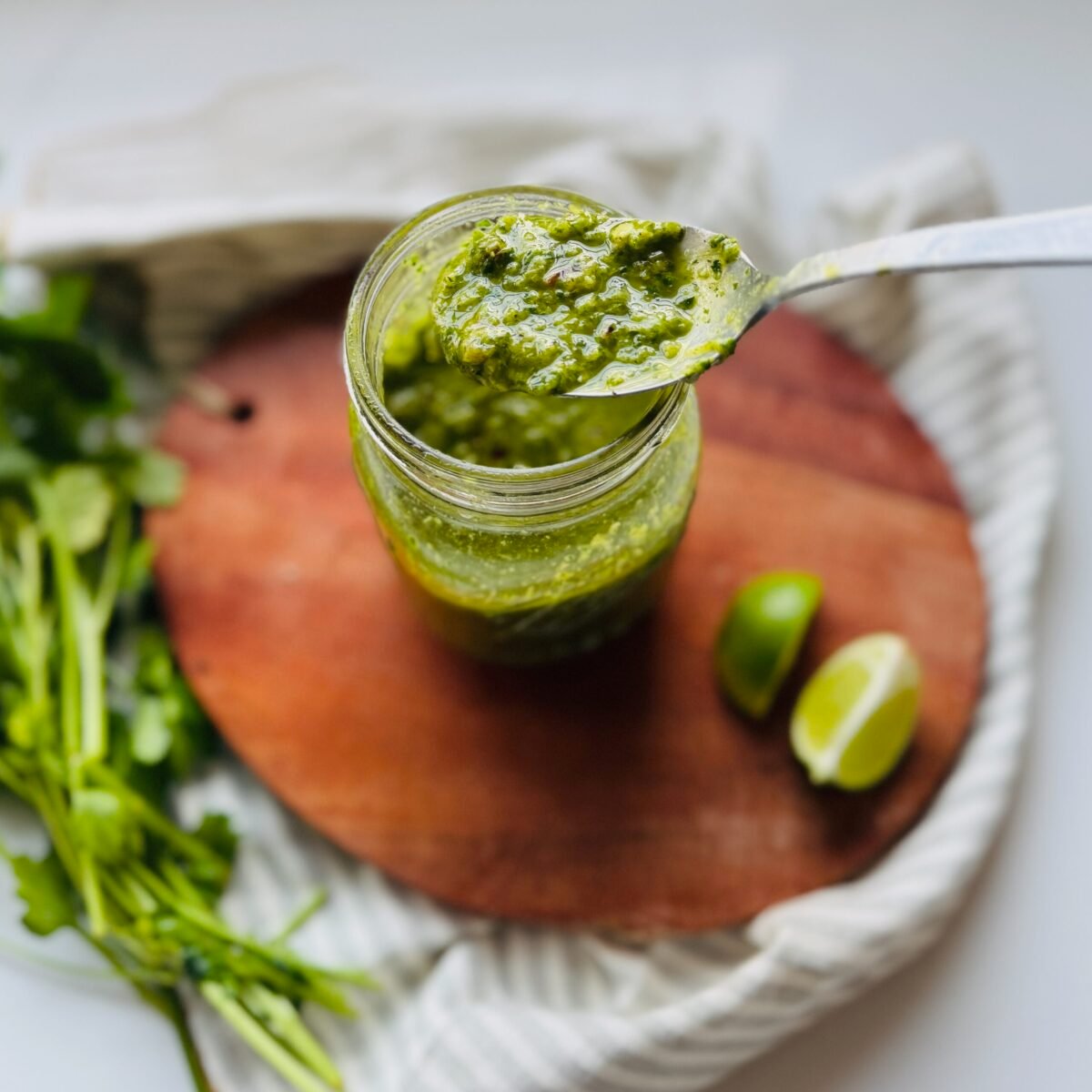
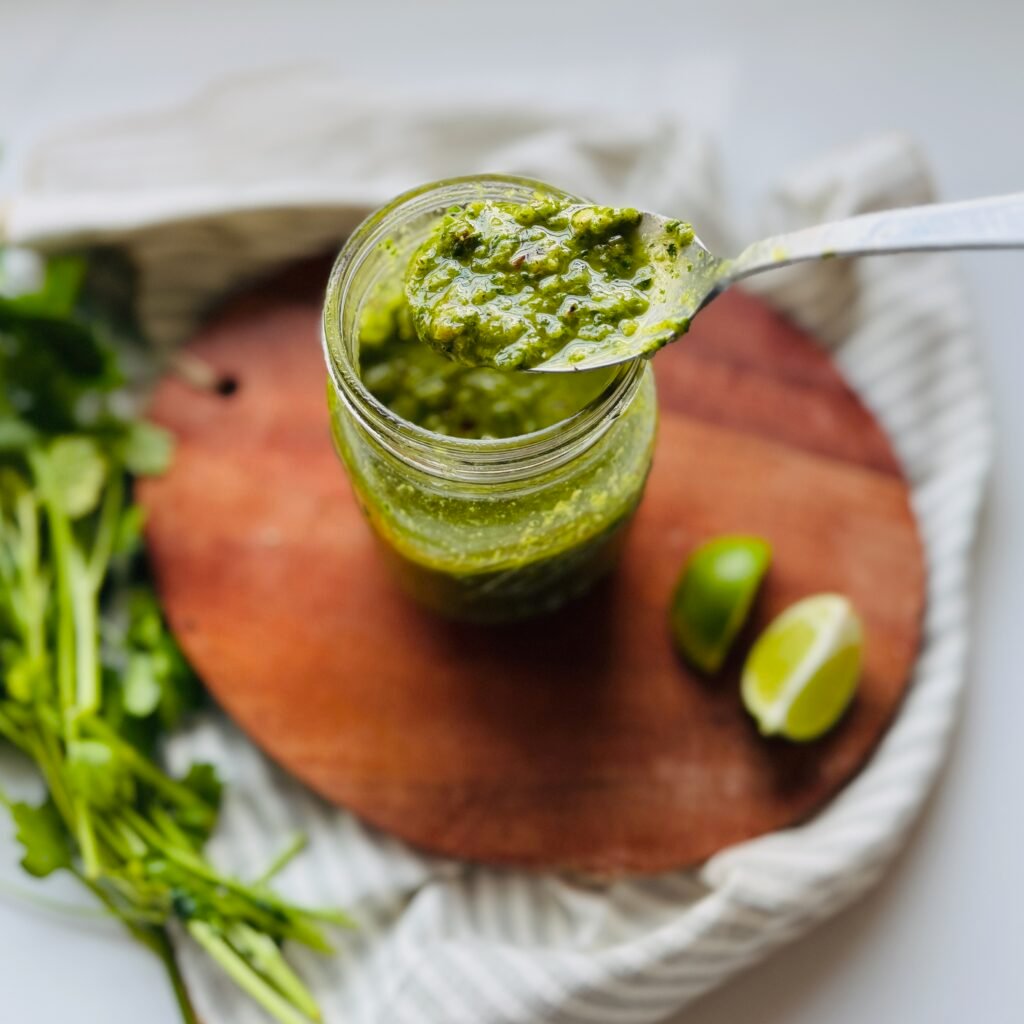
This is also why my Green Sauce is such a useful pantry staple in my kitchen. A bunch of herbs, garlic, olive oil, lemon, and a little heat can become a sauce that changes everything.
7. Sauces that give meals direction
If there is one category that makes the biggest difference in my kitchen, it is sauces.
This is why I say we do not just prep meals, we prep sauces.
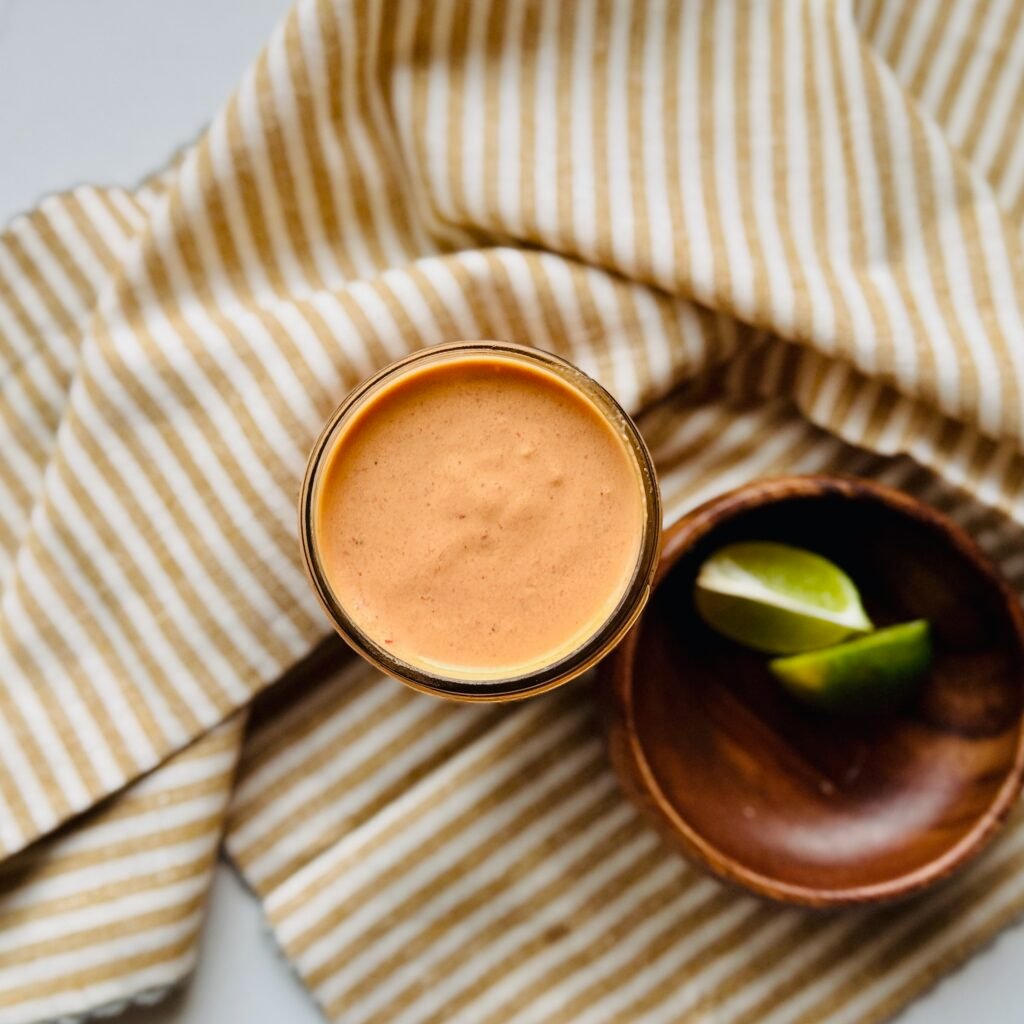
A sauce gives dinner direction, but it also helps with lunch and breakfast. It can wake up leftovers, turn a grain bowl into something new, make roasted vegetables feel finished, or bring a fried egg and toast to life.
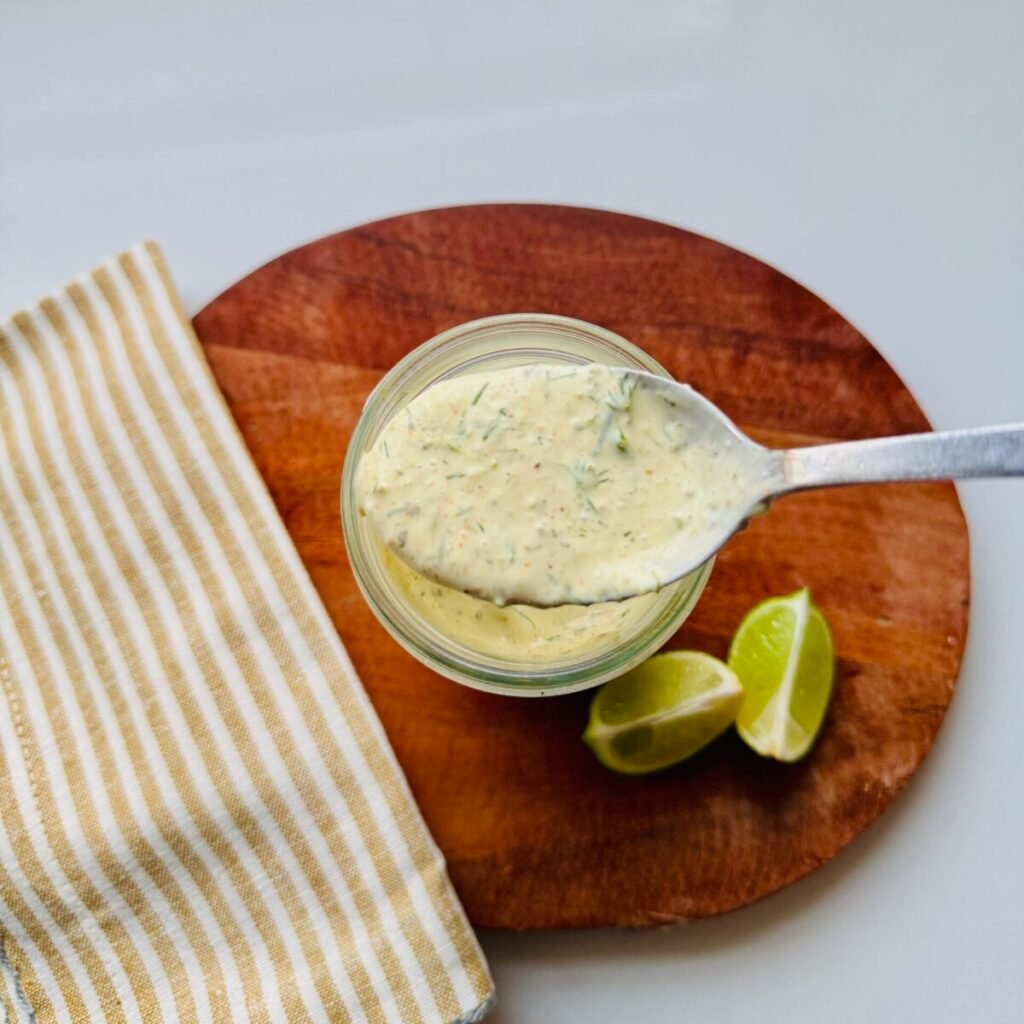
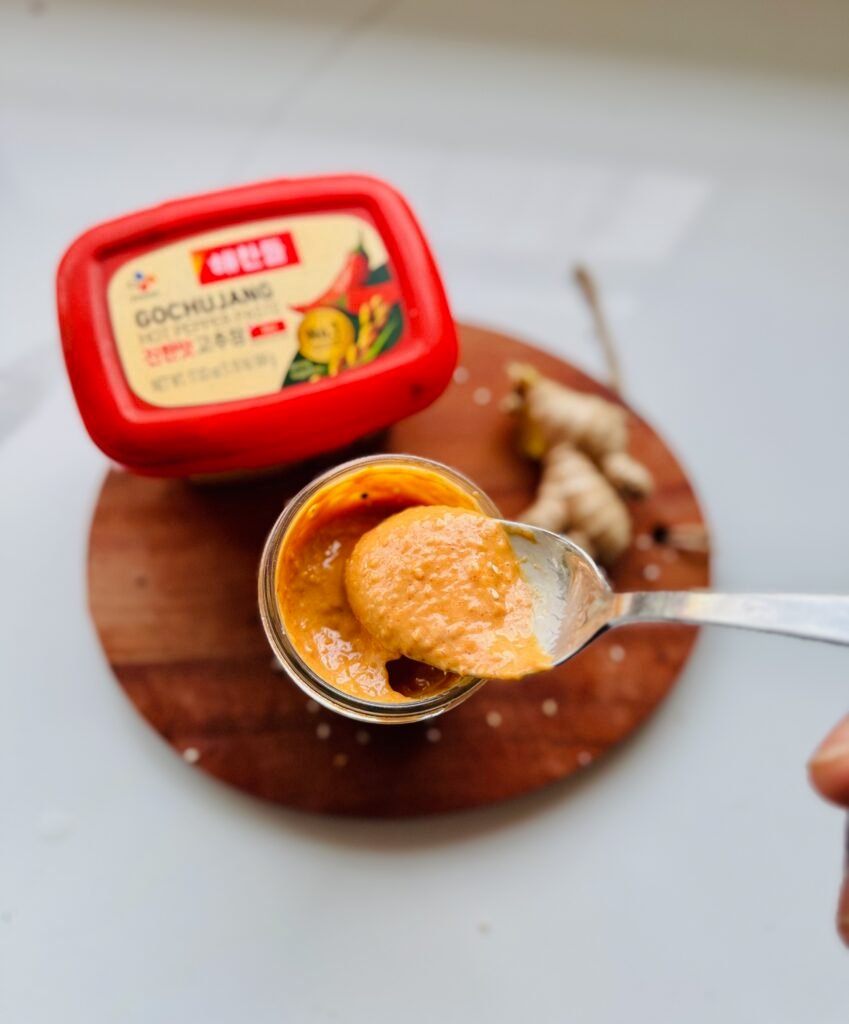
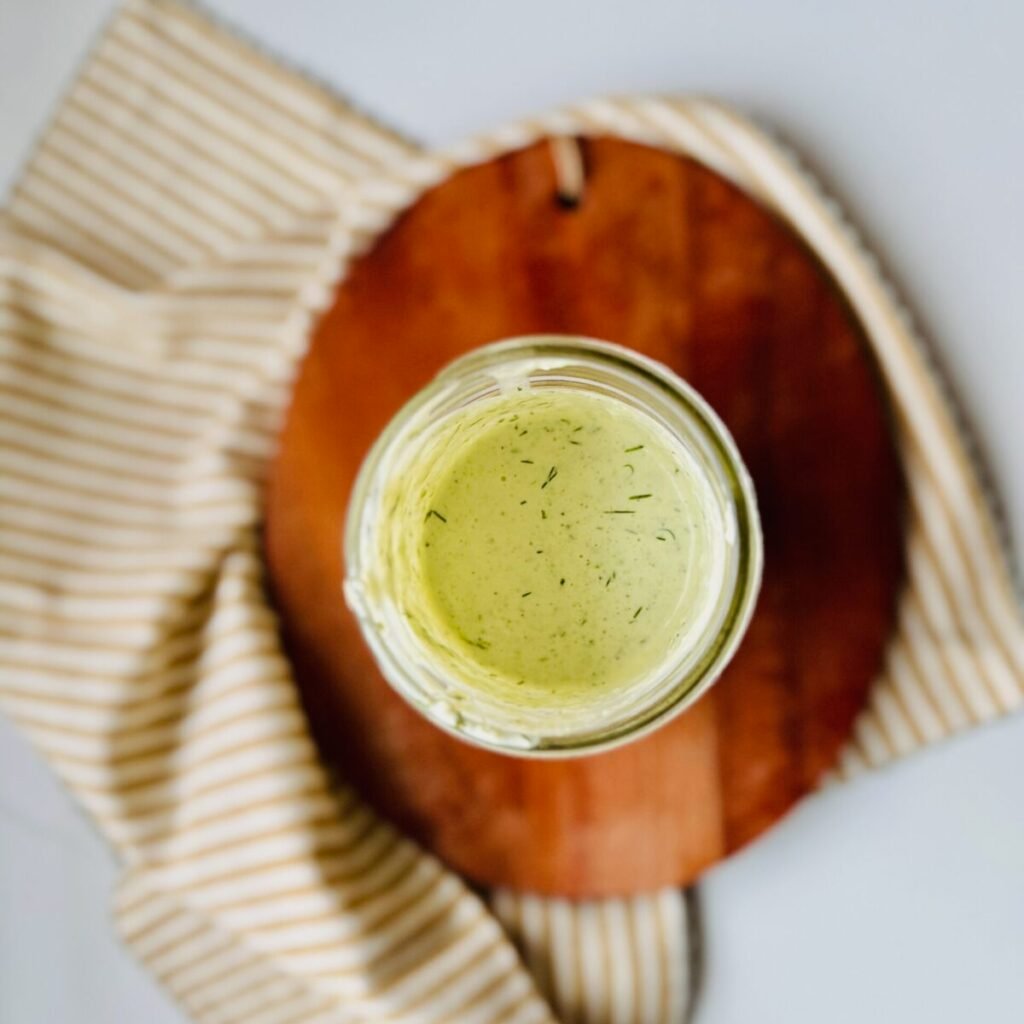
A few sauces I come back to again and again are:
- Green Sauce
- Creamy Greek Sauce
- Smoky Chipotle Sauce
- Sesame Ginger Gochujang Sauce
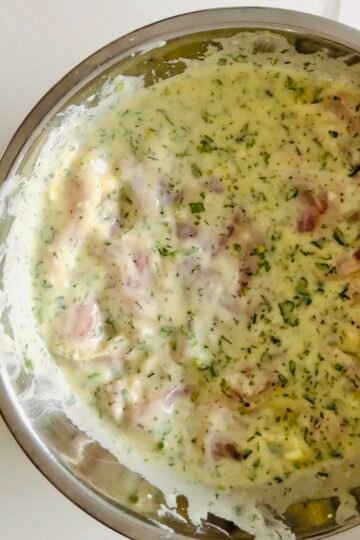
- Creamy Old Bay Dill Secret Sauce
This is the category that makes pantry-first cooking feel flexible instead of repetitive.
The same rice bowl can feel fresh and herby one night, smoky and spicy the next, and rich and savory the day after that. The same roasted vegetables can go in completely different directions depending on which sauce you pull out of the fridge.
8. Condiments, pickles, and finishing ingredients
A good pantry should help you get food on the table, but it should also help you add contrast, brightness, richness, and heat right at the end. Often, that final spoonful or drizzle is what makes a meal feel complete.
Some of the condiments and finishing ingredients I like to keep on hand are:
- Dijon mustard
- mayo
- hot sauce
- soy sauce or tamari
- tahini
- honey or maple syrup
- capers
- olives
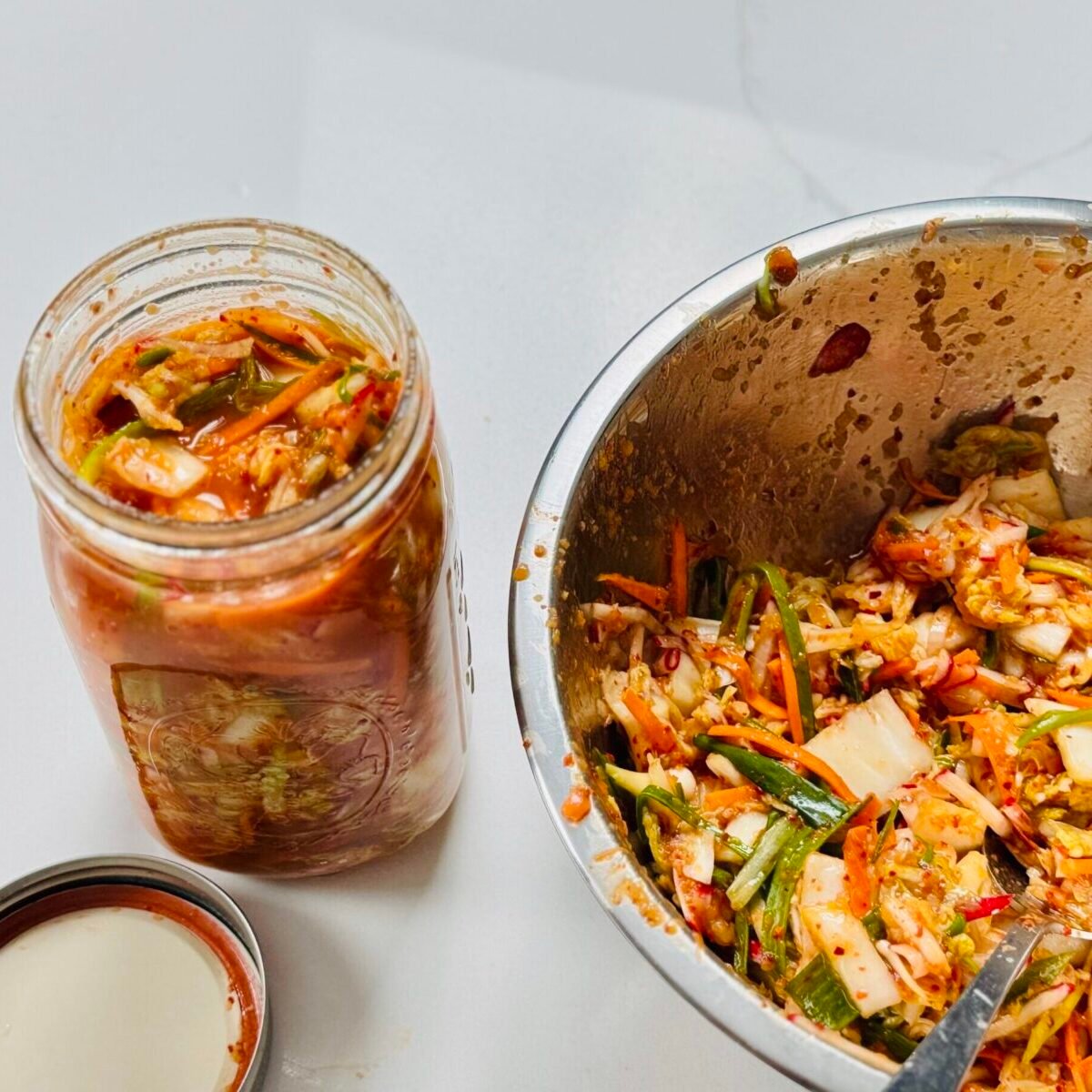
- kimchi
- pickled onions
- pickled chiles
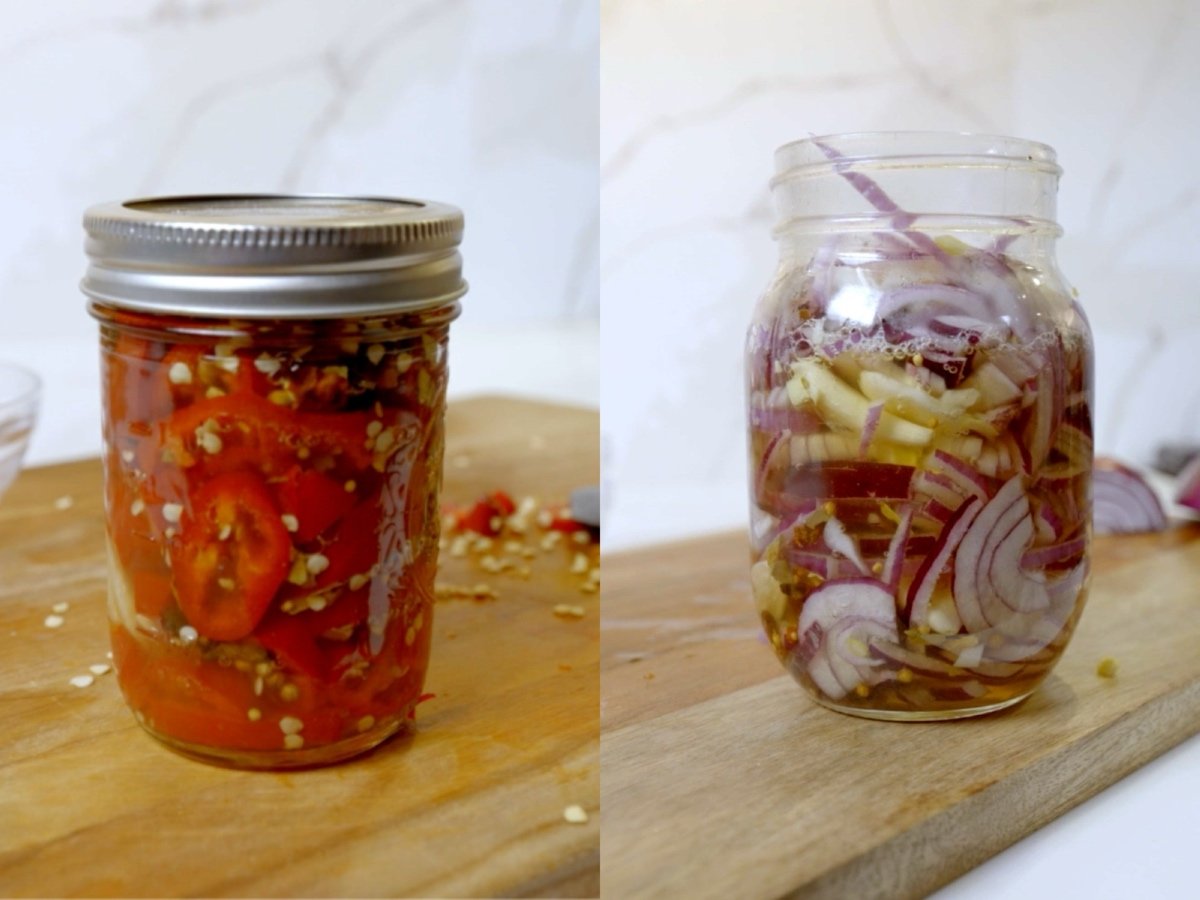
A jar of Quick Pickled Red Chili Peppers & Onions can wake up tacos, grain bowls, sandwiches, and even avocado toast. Fermented Habanero Hot Sauce adds both heat and acidity, which makes it especially useful when a dish needs a little more energy. And Traditional Napa Cabbage Kimchi can completely transform rice, eggs, noodles, or leftovers into something that feels fresh and satisfying.
They may be small additions, but they do a surprising amount of work.
9. Breakfast staples matter too
I really want to be clear about this: pantry essentials are not just about dinner.
A good pantry should make breakfast easier too.
That might mean keeping:
- oats
- granola
- yogurt
- eggs
- nut butter
- chia or flax
- maple syrup or honey
- fruit
- bread for toast
- jam or fruit compote
This is why I think homemade granola absolutely counts as a pantry staple. A jar of Pistachio Coconut Granola can become breakfast with yogurt, a snack in the afternoon, or something easy to set out when guests are staying over.
The same goes for eggs, toast, fruit, and a good syrup. Those are pantry essentials too.
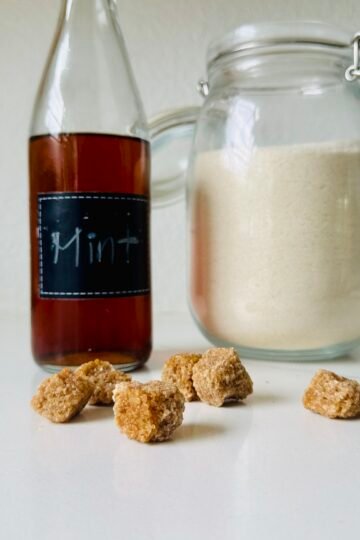
A bottle of fresh mint simple syrup can sweeten iced tea, lemonade, sparkling water, and mocktails all week, which is exactly the kind of flexible component I want a practical pantry to hold.
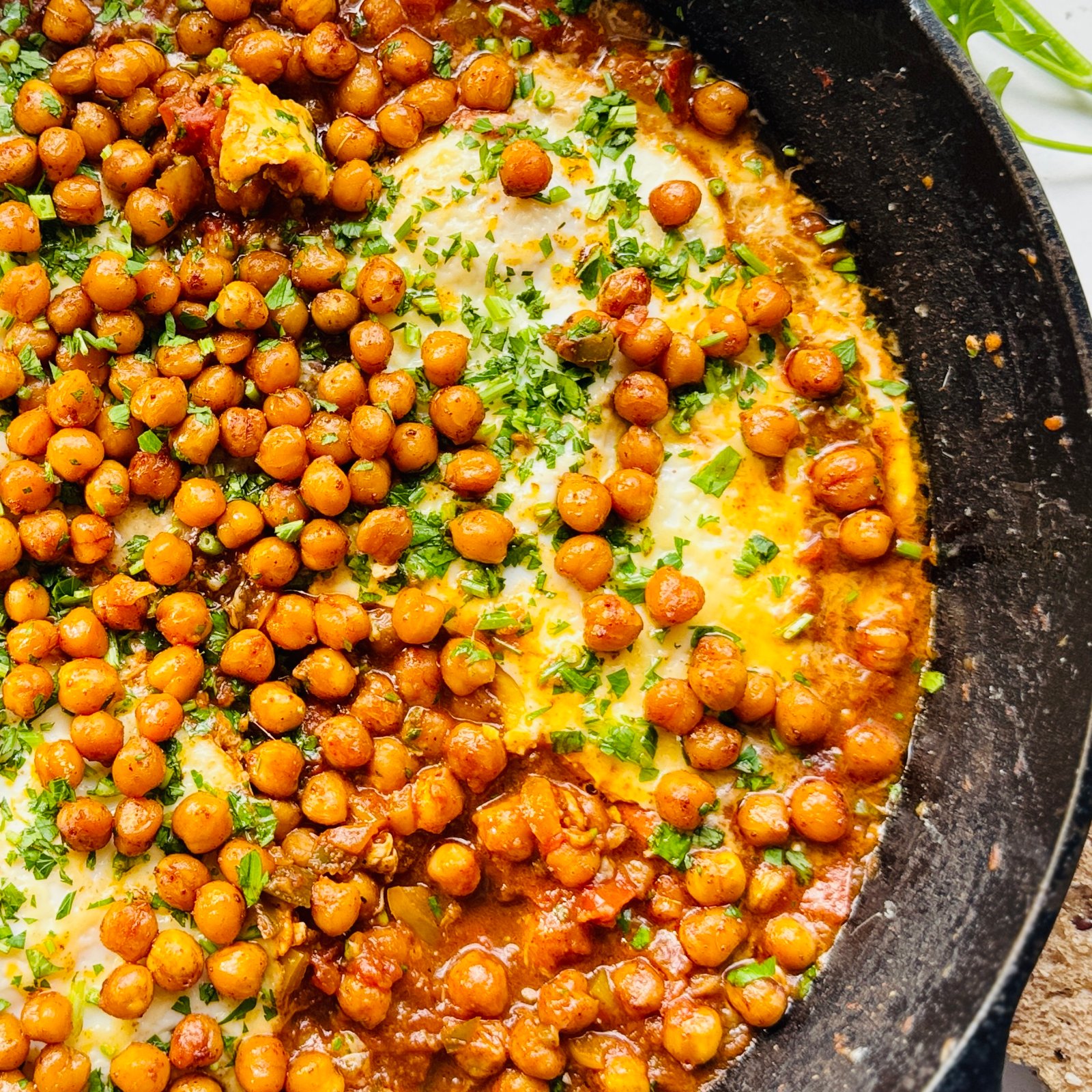
And if you want a savory breakfast that still fits this pantry-first style of cooking, High-Protein Shakshuka with Chickpeas is a great example of how pantry ingredients can become breakfast, brunch, lunch, or dinner.
10. Lunch gets easier when the pantry is doing its job
One of the best signs that your pantry is working is that lunch stops feeling like a separate problem.
Leftover rice becomes a bowl. Tortillas become wraps. A quick sauce turns roasted vegetables into lunch. A fried egg makes leftovers feel new again. A jar of pickled onions wakes up a sandwich or grain bowl in seconds.
That is what I love about pantry-first cooking. It is not just about planning dinner. It is about keeping enough useful components around that the next meal is always easier.
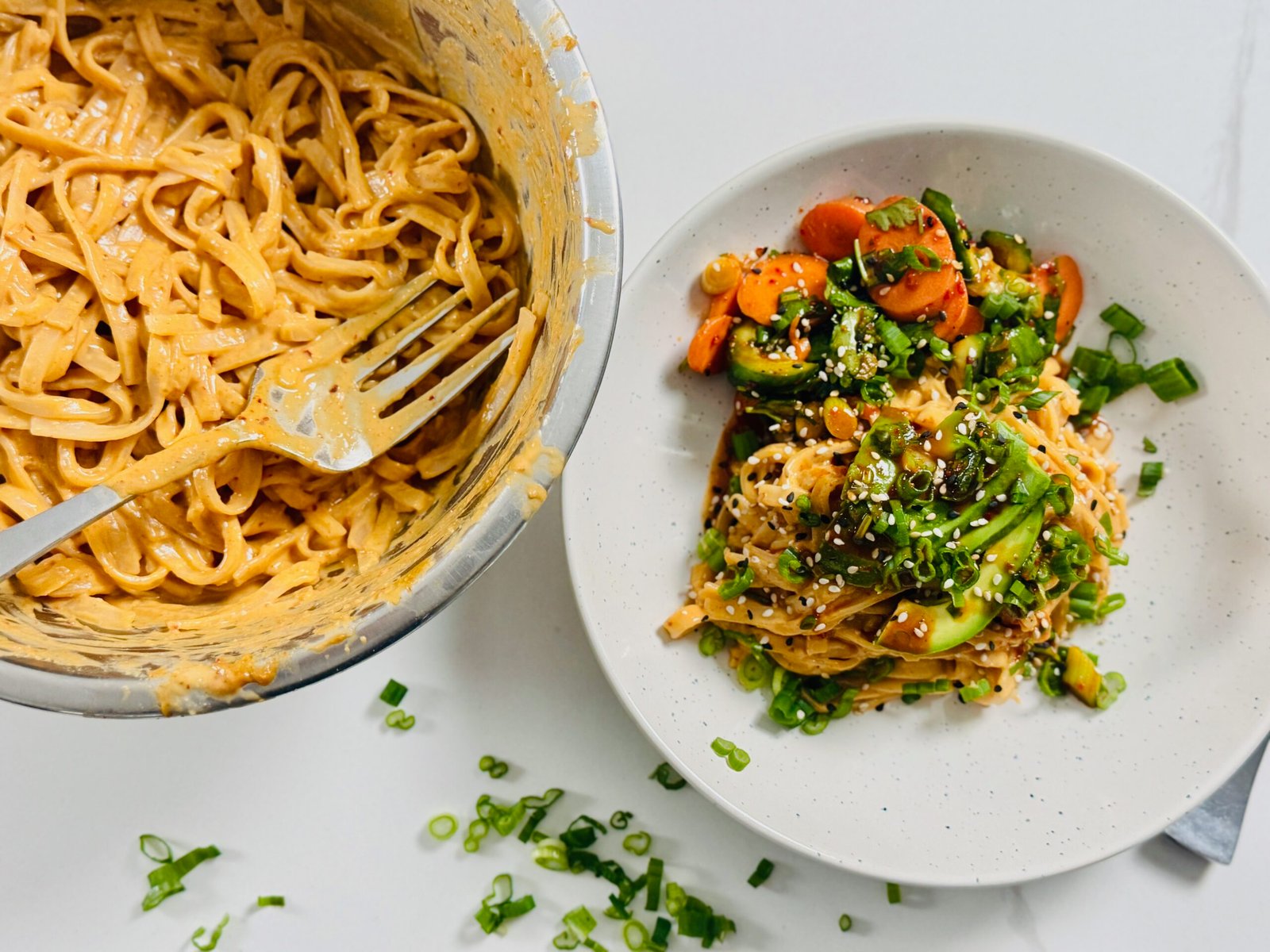
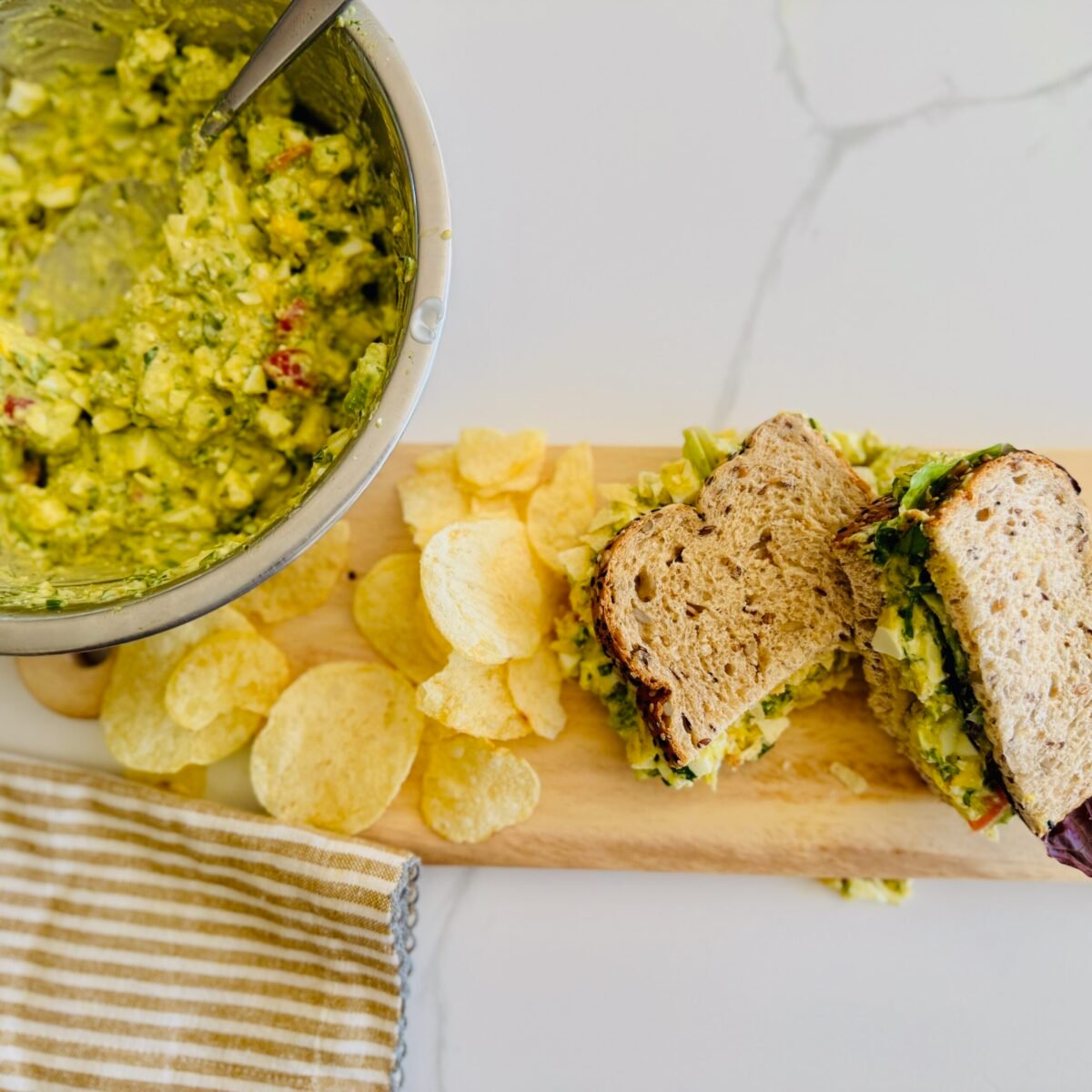
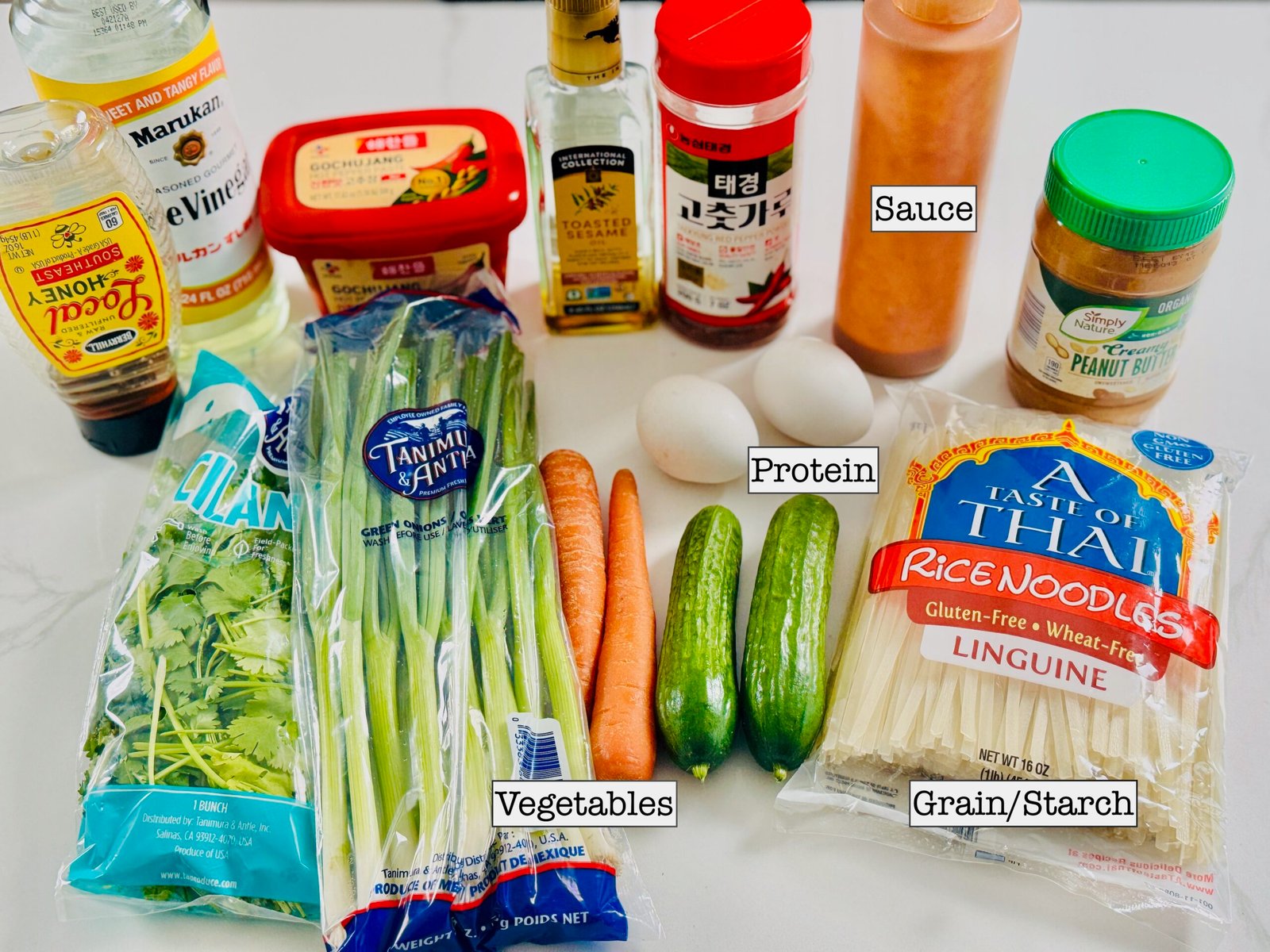
That is what dishes like Avocado egg salad, Creamy Sesame Peanut Noodle Bowl and Kimchi Fried Rice with Mushrooms and Fried Egg show so clearly. They feel like full meals, but they are powered by pantry thinking.
If I were stocking a pantry this week, here is what I would buy
To make this even more practical, here is a simple example pantry list grouped by category. This is the kind of mix that gives you enough range for breakfasts, lunches, dinners, sauces, and quick flavor boosters throughout the week.
| Category | What I would buy |
|---|---|
| Oils | extra virgin olive oil, avocado oil |
| Vinegars and acids | red wine vinegar, rice vinegar, lemons, limes |
| Condiments and pantry boosters | Dijon mustard, mayo, tahini, honey |
| Grains and bases | rice, oats, couscous |
| Proteins and pantry-friendly meal builders | chicken, salmon/fish, chickpeas, black beans, eggs, Greek yogurt, feta |
| Aromatics and produce | onions, garlic, cucumbers, tomatoes |
| Fresh herbs | parsley, dill, cilantro |
| Core seasonings | kosher salt, black pepper, garlic powder, onion powder, smoked paprika, cumin |
| Flavor-building blends | Old Bay, za’atar |
Then I would make one sauce, one bright finishing ingredient, and one breakfast staple to round things out for the week.
Then I would make:
- one jar of Green Sauce
- one jar of Creamy Greek Sauce
- one batch of Quick Pickled Red Chili Peppers & Onions
- one batch of Pistachio Coconut Granola
With that alone, you could make breakfasts, lunch bowls, wraps, snack plates, sheet pan dinners, and quick weeknight meals without needing an entirely different grocery list every day.
A few kitchen tools that make a practical pantry easier to use
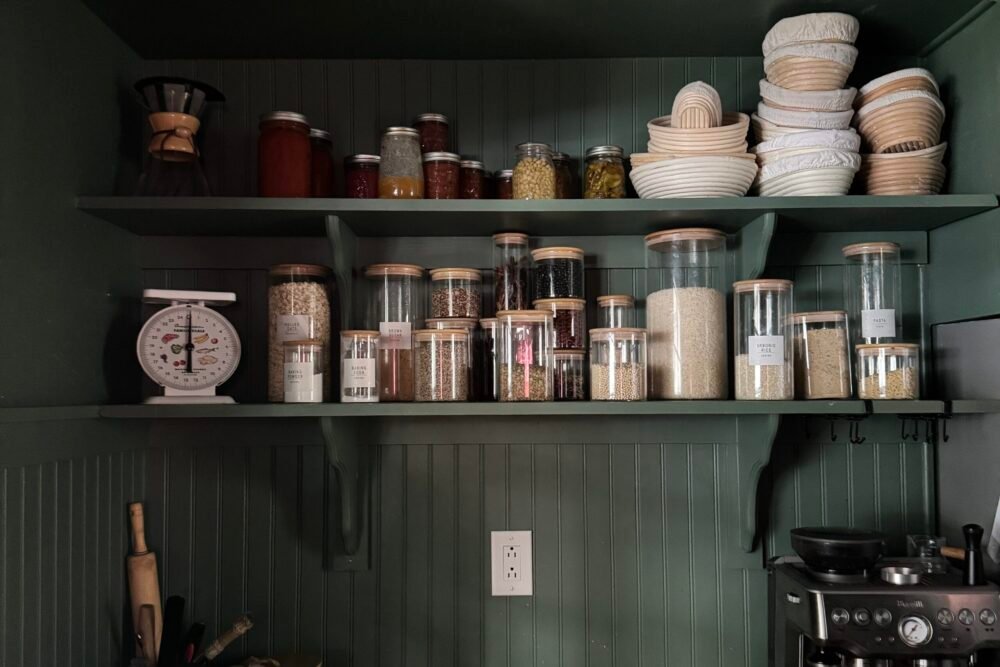
A well-stocked pantry is not only about what you buy. It is also about how easy it is to store, see, and use the things you keep around.
These are a few tools that fit naturally into this kind of cooking:
- Immersion blender - my personal favorite kitchen tool!
- a microplane for garlic, ginger, and zest - second favorite kitchen tool!
- wide-mouth glass jars for sauces, pickles, and granola
- squeeze bottles for dressings and sauces
- half sheet pans for roasting and batch prep
- a citrus juicer for lemon and lime-heavy cooking
- a good pepper mill
I really do think visibility matters. If you can see your sauces, pickles, granola, and flavor boosters, you are much more likely to use them.
How to build your pantry without overwhelm
Start small.
Choose 3 starches or bases.
Choose 2 to 3 proteins or pantry-friendly meal builders.
Choose 5 fresh ingredients you know you will use.
Choose 2 sauces to make ahead this week.
Choose 1 bright or spicy finishing item.
Choose 1 breakfast staple.
That is enough.
You do not need a perfect pantry. You need a useful pantry.
That is the whole idea behind the Pantry-First Method. Meals are not about perfection or novelty every single night. They are about rhythm. The same ingredients can become bowls, wraps, soups, tacos, breakfasts, and lunches when you have the right pantry pieces on hand.
FAQ
What are pantry essentials?
Pantry essentials are the ingredients and make-ahead components you keep on hand to make cooking easier. That includes dry goods, but also sauces, condiments, oils, vinegars, spices, pickles, and breakfast staples.
What should be in a well-stocked pantry?
A well-stocked pantry should include a few grains or starches, a few proteins, oils, acids, seasonings, fresh aromatics, condiments, and a few flexible make-ahead items like sauces or granola.
Do pantry essentials include fridge items?
Yes. If it helps you build meals more easily, it counts.
Do I need to buy everything at once?
No. Start with what you use most and build gradually.
Can pantry essentials help with hosting too?
Absolutely. A pantry with good sauces, condiments, breakfast staples, and make-ahead basics makes hosting much easier. For more on that, see How to Host at Home.
Final thoughts
A well-stocked pantry is about more than dry goods.
It is rice and oats, yes. But it is also olive oil, vinegar, mustard, mayo, herbs, citrus, sauces, pickles, hot sauce, granola, and the make-ahead staples that help you cook with less stress and more confidence.
It is what helps breakfast happen quickly.
It is what helps lunch come together from leftovers.
It is what makes dinner feel possible even on a busy night.
You do not need everything.
You just need enough of the right things.
Start with one starch, one protein, one sauce, one finishing ingredient, and one breakfast staple. Then build from there.
And if you want to keep going, start with the Pantry-First Method, explore The 5 House Sauces, and browse the rest of my Pantry Essentials archive to build a pantry that fits your real life.
Affiliate disclosure line
Some of the links in this post are affiliate links, which means I may earn a small commission at no extra cost to you. Thank you for supporting The Colorful Pantry. As an Amazon Associate, I earn from qualifying purchases.


Comments
No Comments