
This fermented habanero hot sauce builds deep, complex heat through lacto-fermentation — a simple process that transforms fresh habaneros into a funky, tangy sauce that's nothing like anything from a bottle. Make the classic version or swap in mango for a fruity mango habanero variation. Both versions use the same food-safety checkpoints before blending and refrigerating.
I still cannot believe it took me this long to discover fermented hot sauce. The first time I tasted one, it completely changed how I think about hot sauce. Instead of just heat and vinegar, there was depth. There was brightness. There was this incredible layered flavor that felt alive.
That is the magic of fermentation. When peppers, garlic, and vegetables sit in a simple salt brine, beneficial bacteria slowly transform them. Over time the flavors deepen, soften, and develop a gentle tang that you simply cannot get from vinegar alone.
Most store bought hot sauces lean heavily on vinegar for acidity and shelf life. Fermented hot sauce takes a completely different approach. The acidity develops naturally, and the result is a sauce that tastes rounder, more complex, and far more interesting.
Once you make your first batch and taste that depth of flavor, it becomes very hard to go back to the typical bottle from the store.
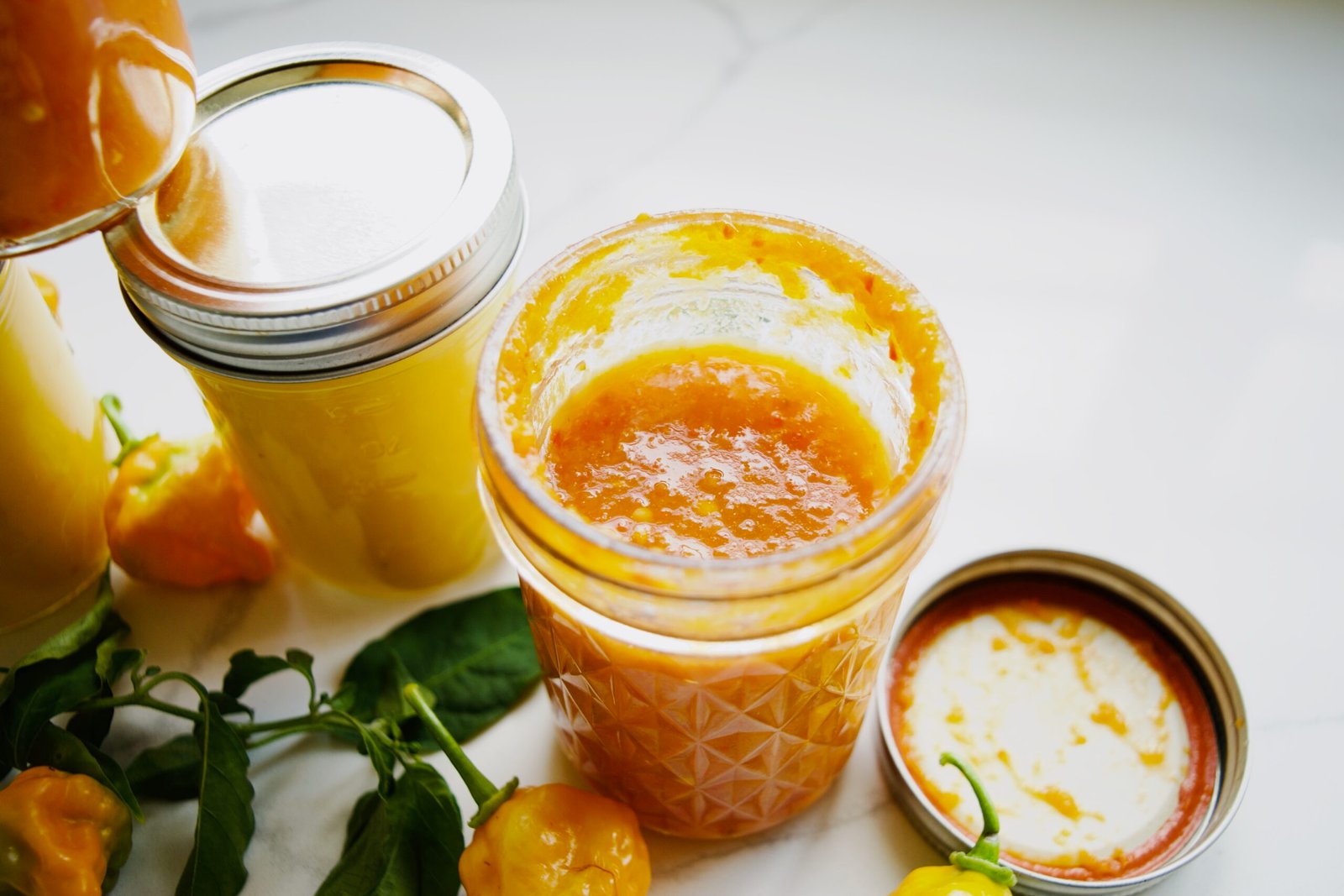
What fermented hot sauce tastes like
Fermented hot sauce has three things happening at once.
Heat from the peppers. Natural tang from fermentation. Savory depth from garlic and vegetables.
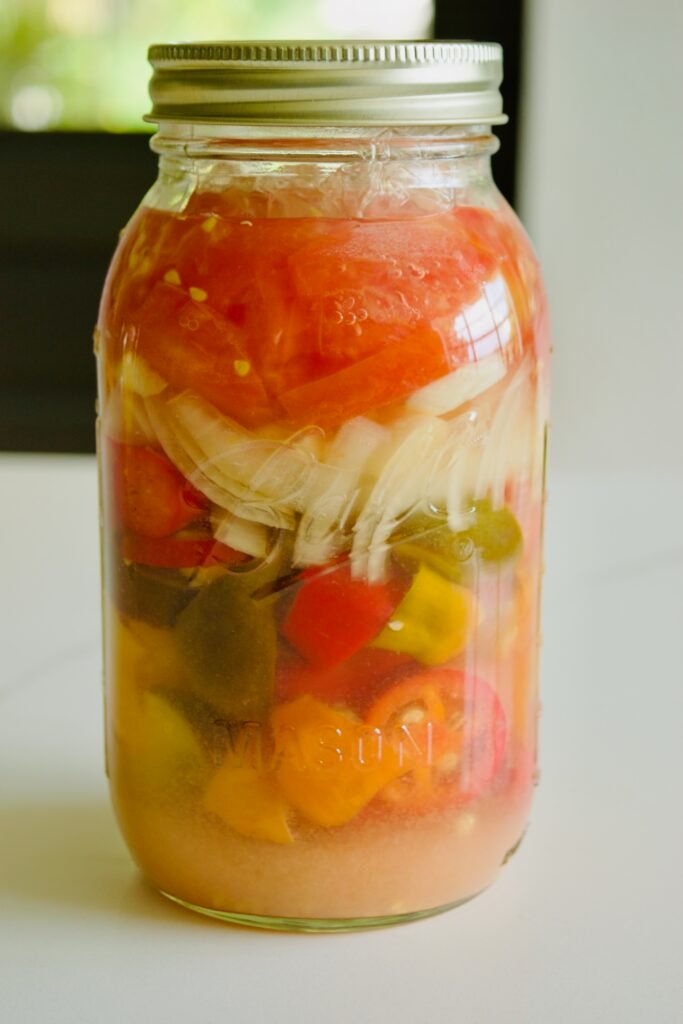
In the classic version the tomato adds body while the poblano peppers deepen the flavor. Jalapenos soften the heat slightly so the habaneros shine without becoming overwhelming.
The mango version moves in a slightly different direction. The fruit adds a gentle sweetness that pairs incredibly well with grilled meats and tacos.
Key ingredients that build flavor
Habanero peppers
These bring bright citrusy heat and a floral aroma that makes the sauce distinctive.
Tomato
The tomato provides body and helps create a smoother sauce.
Poblano peppers
Poblanos add a subtle earthy flavor that rounds out the habaneros.
Garlic and onion
These create a savory base that becomes deeper during fermentation.
Canning or pickling salt and water
For this wet-brine recipe, dissolve 3 tablespoons of canning or pickling salt in 1 quart (4 cups) of soft, distilled, or non-chlorinated water. Measure the salt against the water volume—not as a percentage of the vegetable weight. Use enough prepared brine to keep the vegetables covered by 1 to 2 inches.
A digital kitchen scale is still useful for recording the pepper and vegetable weights so you can repeat a batch you love.
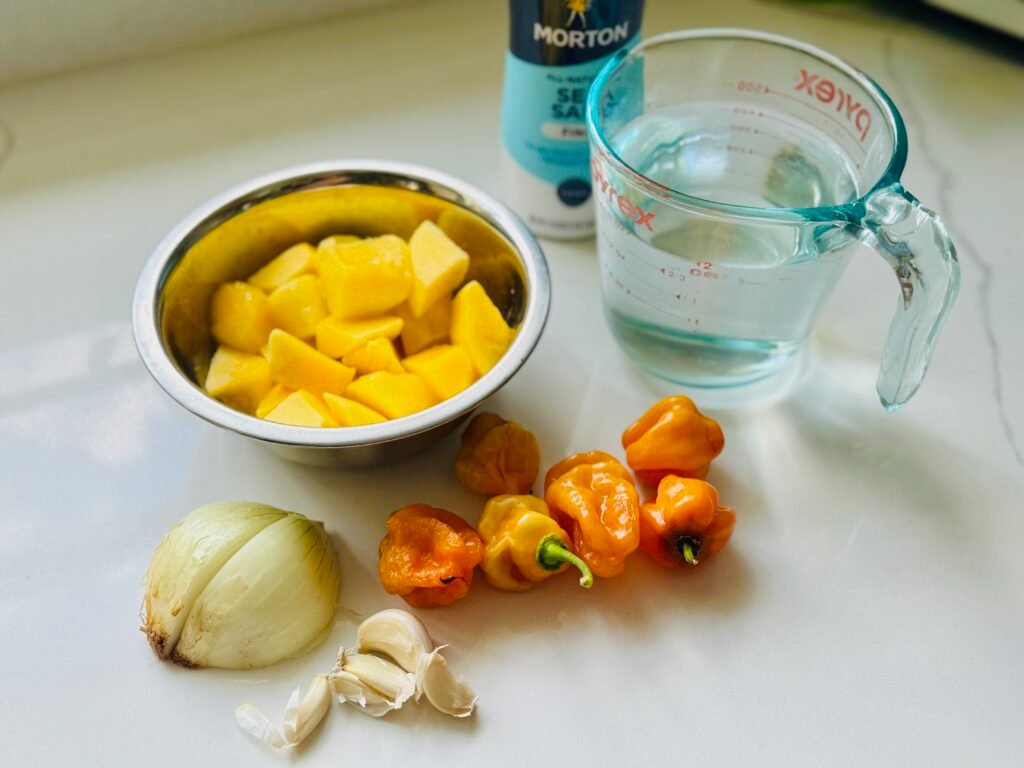
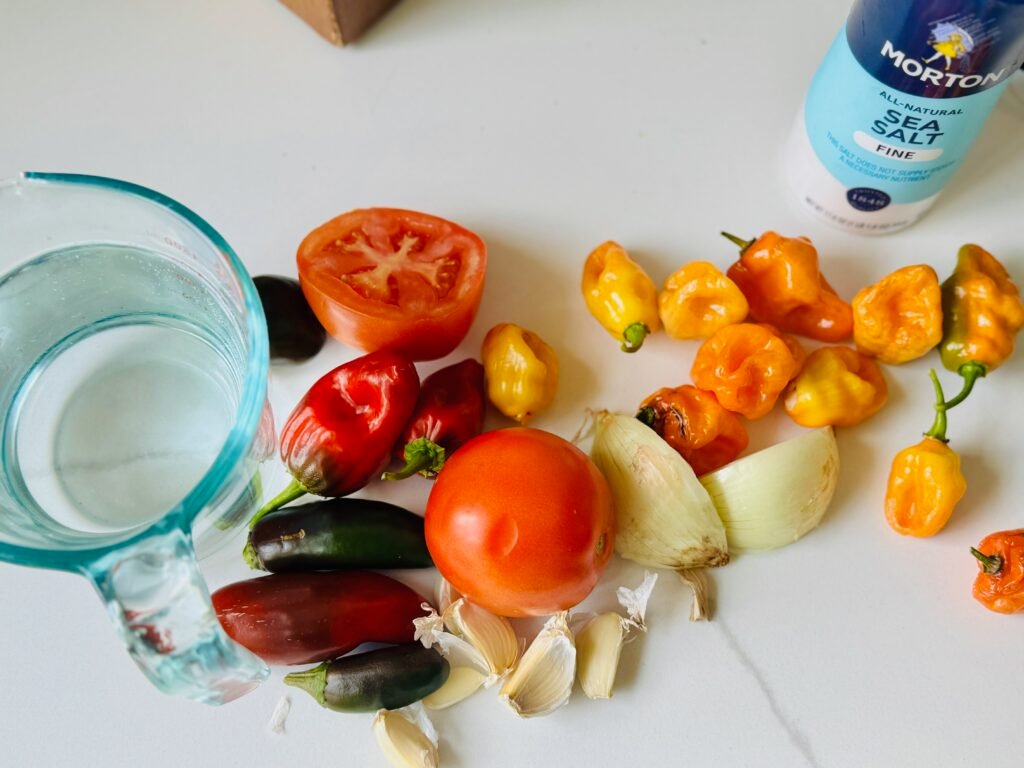
Chopped vs whole habaneros for fermentation
This is one of the most common questions about fermenting peppers, and the answer comes down to how fast you want to ferment and how much heat you want to extract.
Chopped habaneros ferment faster because the brine can penetrate the flesh immediately. They also release more capsaicin into the brine, which means a spicier finished sauce. This is the method I use for this recipe.
Whole habaneros ferment more slowly and produce a slightly milder result since less capsaicin leaches out during fermentation. If you want more control over the heat level, whole peppers give you that.
For this recipe I recommend chopped. The fermentation is faster, the flavor extraction is better, and the final sauce blends more smoothly.
How long to ferment habanero hot sauce
Fermentation does not finish on an exact day. Keep the jar in a dark place at 68 to 72°F (20 to 22°C). Begin checking after several days, but use both acidity and activity—not the calendar alone—to decide when the ferment is ready.
Continue fermenting until the liquid measures pH 4.6 or below and active bubbling has stopped. If bubbling stops while the pH remains above 4.6, continue fermenting and recheck every 1 to 2 days. Use pH test strips intended for food or a calibrated digital pH meter.
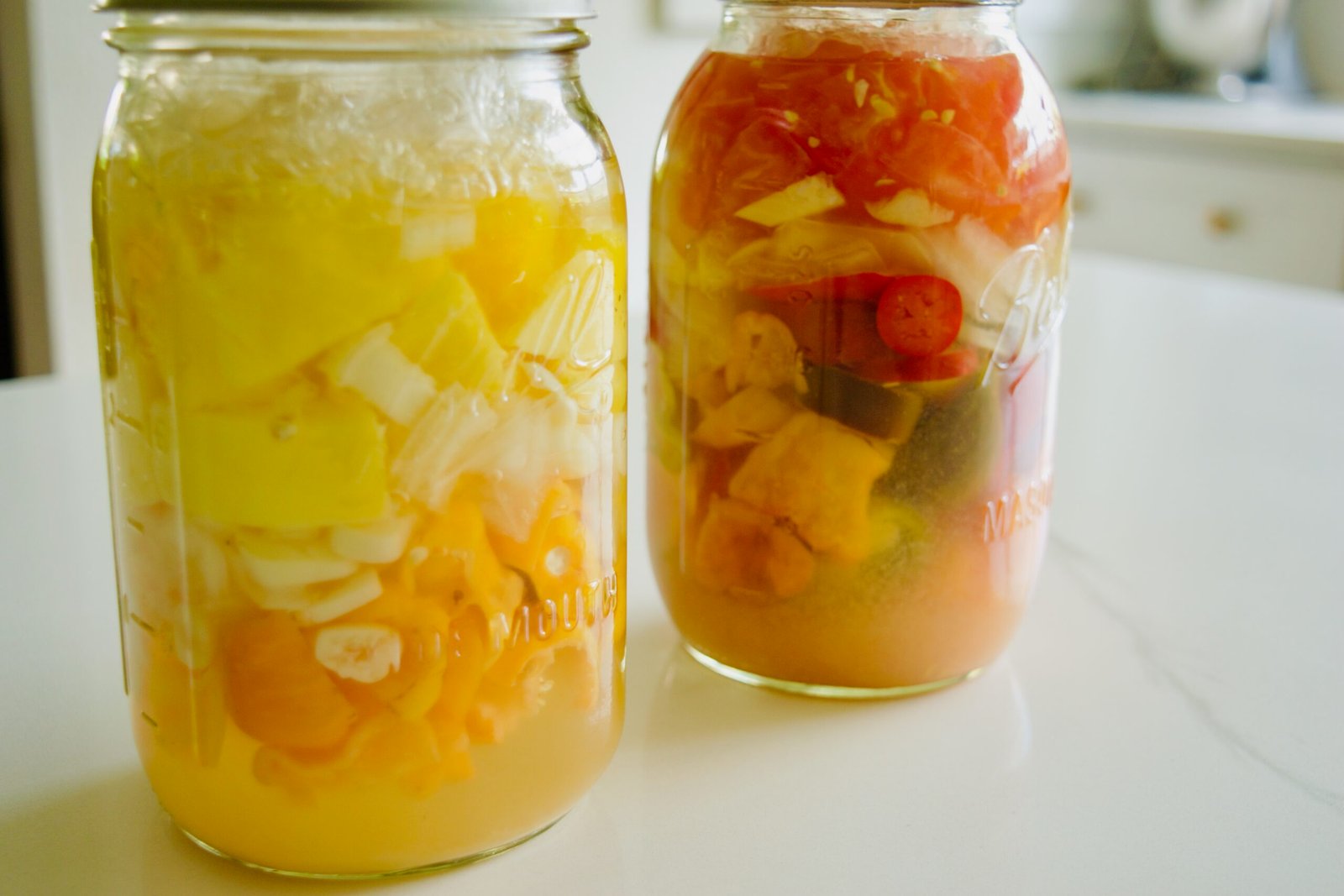
Cloudy brine, bubbles, and a clean tangy smell are common signs of active fermentation, but they do not replace a pH check. The mango version may become active sooner because fruit contains more natural sugar, but it must meet the same pH and bubbling checkpoints as the classic version.
How the fermentation process works
Fermentation is actually very simple.
Salt water creates an environment where beneficial bacteria thrive while harmful microbes struggle to survive.
These bacteria consume sugars from the vegetables and release lactic acid which creates the tangy flavor and natural preservation.
Over time the flavor becomes more complex and balanced.
If you are curious about my other pantry condiments check out my quick pickled peppers and onions post.
Step by step overview
Wash your hands and use a clean jar, lid, utensils, and fermentation weight.
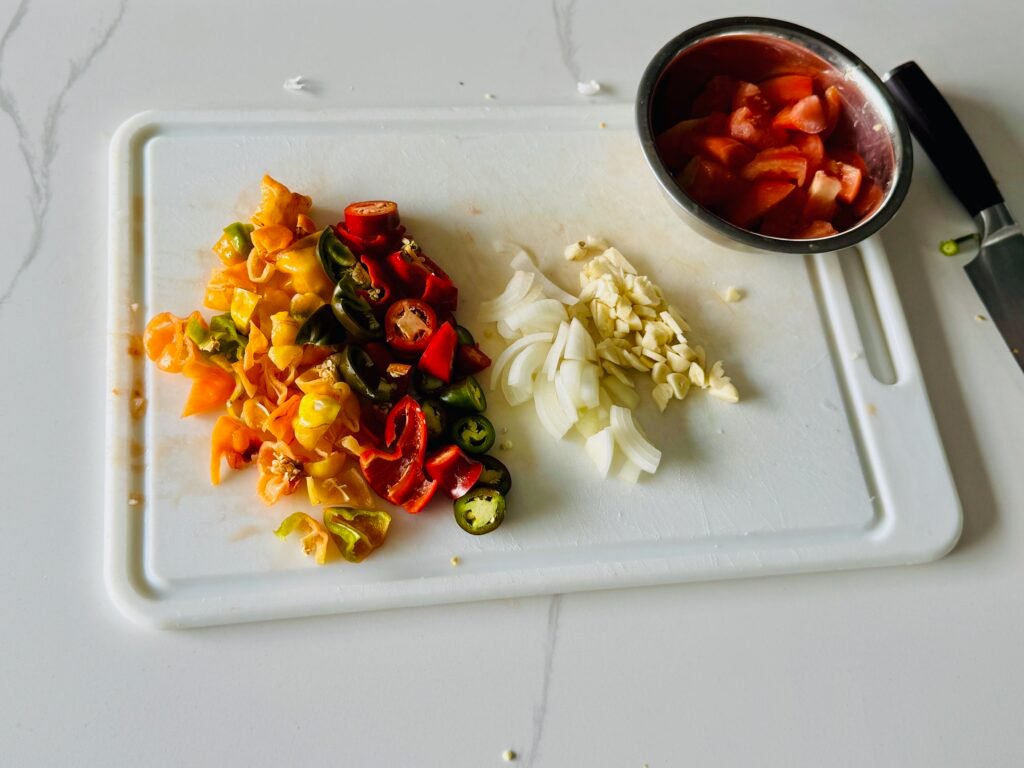
Chop the vegetables into large pieces and pack them into the jar.
Dissolve 3 tablespoons canning or pickling salt in 1 quart (4 cups) soft, distilled, or non-chlorinated water.
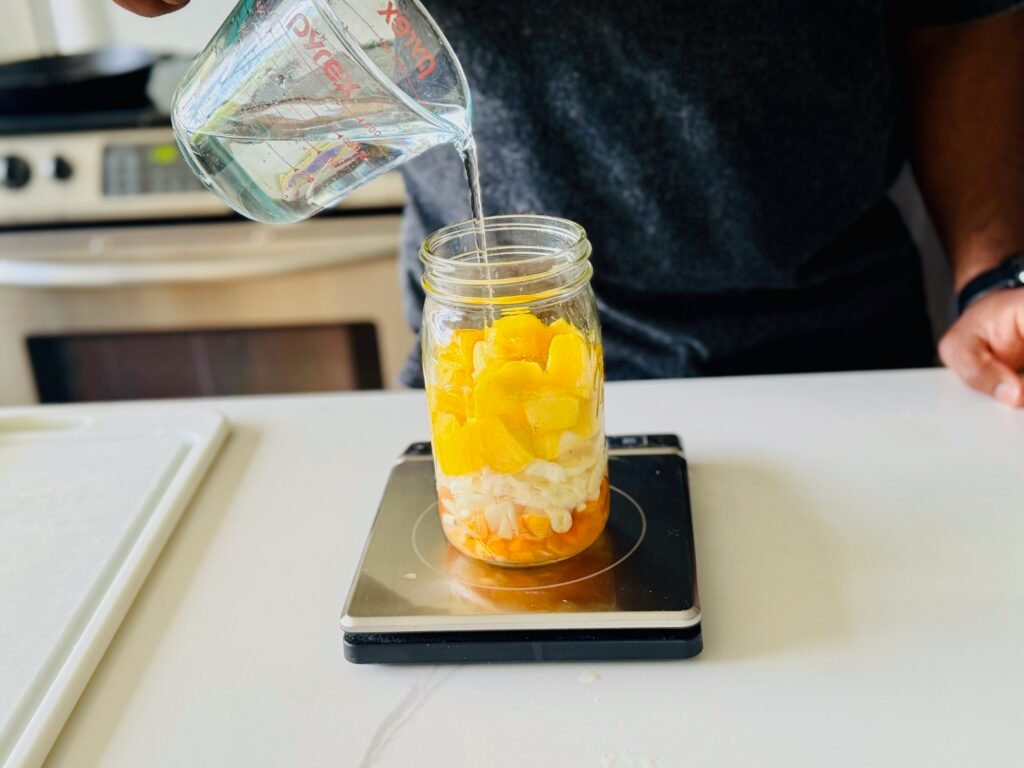
Pour in enough prepared brine to cover the vegetables by 1 to 2 inches. Add a fermentation weight so nothing floats above the brine.
Fit an airlock or fermentation lid and keep the jar in a dark place at 68 to 72°F (20 to 22°C). Follow the lid manufacturer's directions for safely releasing pressure.
Monitor the ferment until it measures pH 4.6 or below and bubbling has stopped. If the pH is still above 4.6, continue fermenting and recheck every 1 to 2 days.
Only after those checkpoints are met, blend the peppers with enough brine to reach your preferred consistency.
Transfer to clean bottles and refrigerate immediately. This recipe is refrigerator-only; it has not been tested for room-temperature storage or canning.
What to do if your ferment smells off
A clean sour or tangy aroma can be normal, but smell alone cannot prove that a ferment is safe. Do not taste a batch you suspect may be spoiled.
Discard the entire batch if you see fuzzy or colored mold, notice a slimy texture, smell a rotten or putrid odor, or are unsure what developed on the surface. A flat white film is sometimes identified as kahm yeast, but when you cannot identify it confidently, the safest choice is to discard the batch rather than skim it and continue.
Prevention matters: keep every piece of produce 1 to 2 inches below the brine with a fermentation weight, use a clean jar and lid, and keep the jar at the recommended temperature.
Before blending, confirm that the ferment measures pH 4.6 or below and that active bubbling has stopped. If those conditions are not met, continue fermenting and recheck every 1 to 2 days.
Tips for fermentation success
Keep the vegetables covered by 1 to 2 inches of brine for the entire ferment. A fermentation jar with weights makes this easier.
Use an airlock or fermentation lid and follow its instructions for releasing pressure. If you use a sealed jar without an airlock, open it only as needed to release pressure and keep the contents submerged.
Maintain 68 to 72°F (20 to 22°C) and keep the jar out of direct light. Temperatures above 78°F increase the risk of spoilage, while temperatures below 60°F can inhibit fermentation.
Cloudy brine is common during fermentation, but it is not a stand-alone safety test. Check the pH and inspect the batch for mold, slime, and off odors.
Variations to try
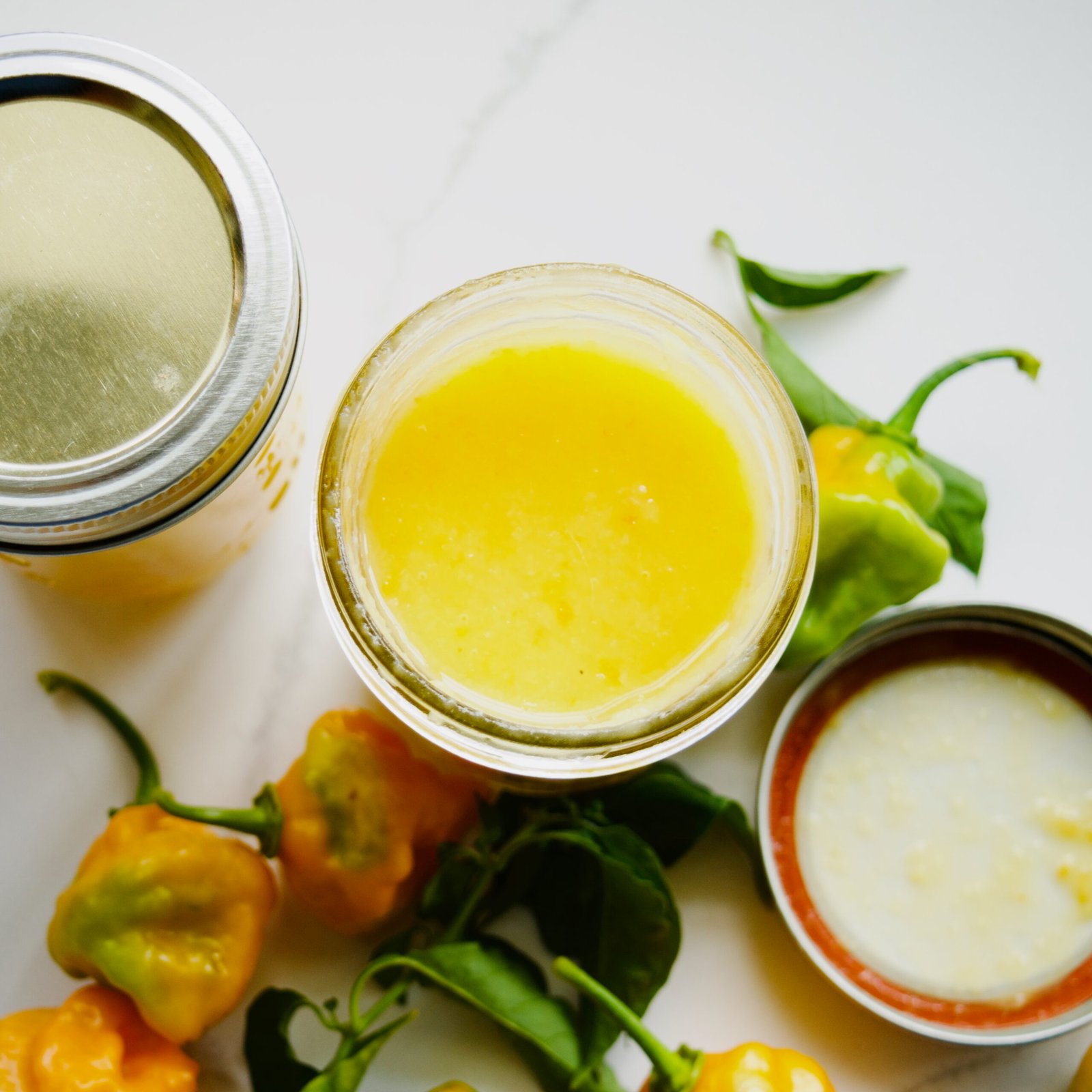
Mango habanero version — Add fresh mango chunks to the fermentation jar with your habaneros and other vegetables. The fruit's natural sugar can make this variation become active sooner, but do not rely on a three-to-five-day timetable. Wait until the ferment measures pH 4.6 or below and bubbling has stopped before blending. The finished sauce has a gorgeous golden color and tropical sweetness that balances the habanero heat. This version is outstanding on grilled chicken, fish tacos, and rice bowls.
Pineapple version — Fresh pineapple creates a bright tropical variation that works beautifully with grilled seafood.
Extra smoky version — Add one roasted poblano pepper before fermenting for a deeper, smokier finish.
Ways to use this hot sauce
This sauce becomes incredibly versatile.
Drizzle it over tacos or burrito bowls. Add it to scrambled eggs. Mix it into marinades for grilled chicken.It also works beautifully with bold pantry first meals like our curry chickpea bowl.
How to store fermented habanero hot sauce
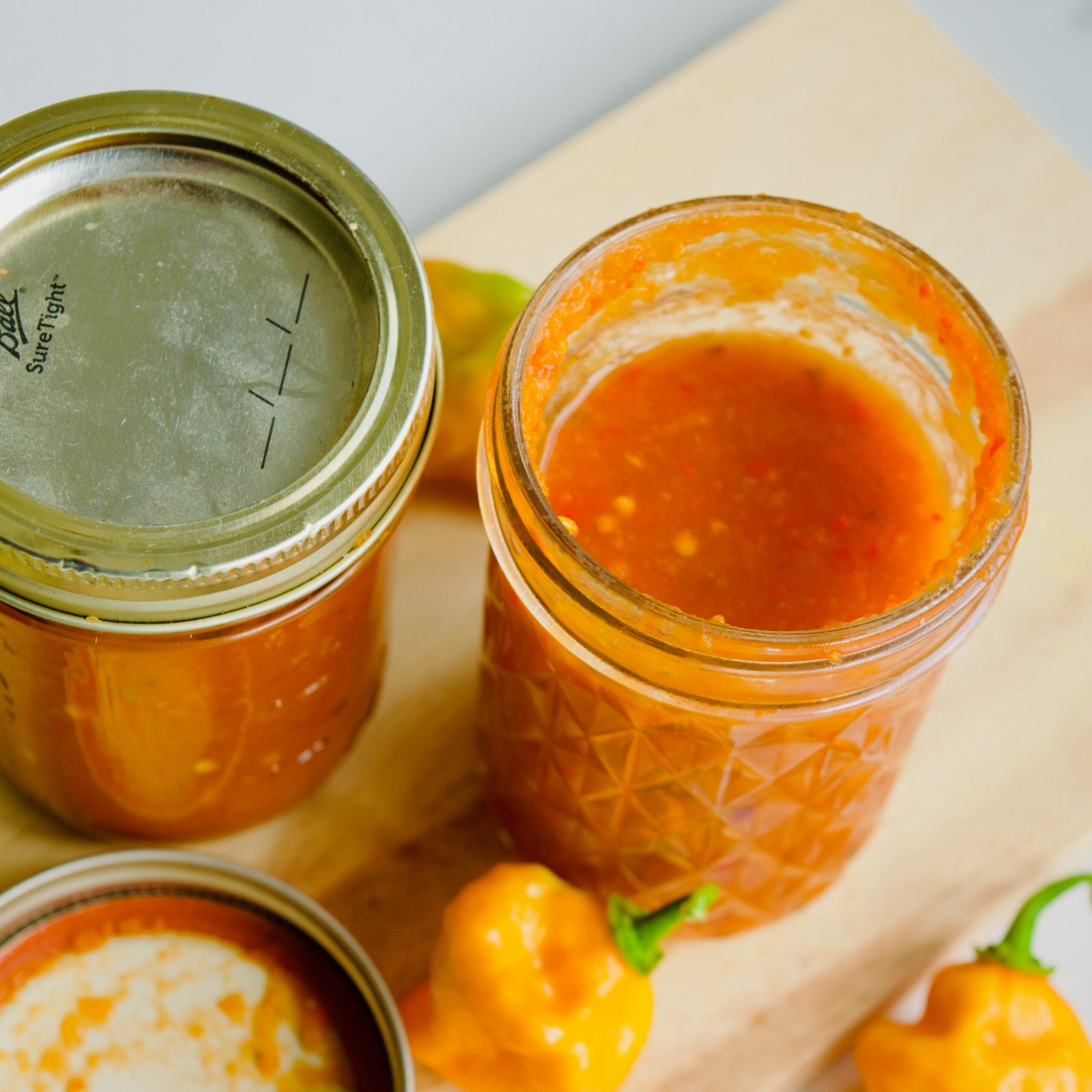
After the ferment reaches pH 4.6 or below and active bubbling has stopped, blend the sauce, transfer it to clean glass bottles, and refrigerate it immediately.
This is a refrigerator-only recipe. It has not been tested for canning or shelf-stable room-temperature storage. Fermentation can continue slowly in the refrigerator, so open bottles carefully and discard the sauce if you see mold, notice slime, develop an off odor, or observe other signs of spoilage.
Keep the sauce consistently refrigerated and use clean utensils when serving it.
Frequently asked questions
Is cloudy brine safe?
Cloudiness is common during active fermentation, but it does not prove the batch is safe. Confirm pH 4.6 or below, wait for active bubbling to stop, and discard any batch with mold, slime, or a rotten odor.
What if vegetables float?
Use a fermentation weight to keep every piece of produce 1 to 2 inches below the brine.
How spicy is this sauce?
The heat level is strong but balanced by fermentation and the other peppers. The mango version is slightly milder because the sweetness offsets the heat.
Can I ferment longer?
Yes, if the batch shows no signs of spoilage. Use pH and bubbling—not a fixed number of days—to decide when it is finished, then refrigerate it.
Do I need vinegar?
Not necessarily for flavor if fermentation produces enough acidity, but you must still verify pH 4.6 or below. This recipe is refrigerator-only and has not been tested for canning or shelf-stable storage.
Chopped or whole habaneros?
Chopped for faster fermentation and more heat extraction. Whole for a slower ferment and slightly milder result.
Final thoughts
Fermented hot sauce feels like unlocking a deeper level of flavor.
The process is simple yet the results taste incredibly complex. Once you master this method you can experiment endlessly with different peppers, fruits, and spices. The mango habanero variation is a great place to start if you want something a little unexpected — fruity, funky, and genuinely addictive.
Some of the links in this post are affiliate links, which means I may earn a small commission at no extra cost to you. Thanks for supporting the blog. As an Amazon Associate, I earn from qualifying purchases.
Important fermentation safety note: Follow the updated wet-brine ratio, temperature, pH, submersion, and refrigeration directions in the article above. Do not rely on the older “3% of ingredient weight” calculation or a fixed number of fermentation days shown in the recipe card below. Before blending, confirm pH 4.6 or below and wait until active bubbling has stopped.
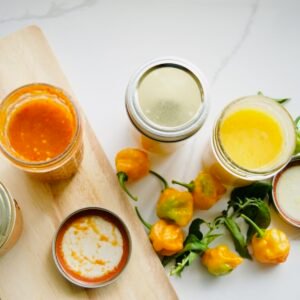
Fermented Habanero Hot Sauce

Equipment
- Glass fermentation jar
- Kitchen scale
- Fermentation weight
- Equipment suggestions for readers
Ingredients
Classic Fermented Habanero Hot Sauce
- 1 medium tomato about 120 g chopped
- 3 jalapenos about 180 g stems removed
- 2 poblano peppers about 240 g stems removed
- 10 habanero peppers about 80 g stems removed
- 6 garlic cloves about 18 g
- half onion about 100 g chopped
- non chlorinated water
- sea salt calculated at three percent of vegetable weight
Mango Fermented Habanero Hot Sauce
- half onion about 100 g chopped
- 5 garlic cloves about 15 g
- 5 habanero peppers about 40 g
- 1 cup fresh mango about 165 g diced
- non chlorinated water
- sea salt calculated at three percent of ingredient weight
Instructions
Prepare vegetables
- Roughly chop all vegetables into large pieces. Seeds can remain unless you want slightly less heat.
Weigh ingredients
- Place all chopped ingredients into a bowl and weigh them in grams using a kitchen scale.
Calculate salt for brine
- Multiply the total ingredient weight by 0.03 to determine the grams of salt needed.
- Example
- If ingredients weigh 1000 g
- Salt required equals 30 g
Prepare brine
- Dissolve the calculated salt into enough non chlorinated water to fully submerge the vegetables.
Pack the jar
- Transfer vegetables into a clean glass jar and pour brine over the top until everything is completely submerged.
- Place a fermentation weight on top to keep ingredients below the surface.
Ferment
- Cover loosely with a lid and store at room temperature away from direct sunlight.
- Classic sauce fermentation time
- 7 to 14 days
- Mango sauce fermentation time
- 3 to 5 days
- Open the jar daily during the first week to release gas. This process is often called burping.
- You will notice bubbles forming and the liquid becoming cloudy which indicates healthy fermentation.
Blend
- Once fermentation tastes pleasantly tangy transfer solids into a blender.
- Add about half a cup of the brine and blend until smooth.
- Adjust thickness by adding additional brine gradually.
Season
- Taste and adjust seasoning.
- You can add a small pinch of salt, a squeeze of lime juice, or a small amount of reserved brine to brighten the flavor.
Bottle
- Transfer the finished hot sauce into sterilized bottles or jars and refrigerate.
Notes
Cloudy brine and bubbling indicate healthy fermentation. Substitutions You can replace poblanos with serrano peppers for more heat.
Pineapple can replace mango in the fruit variation. Storage Refrigerated fermented hot sauce keeps for several months. Serving ideas Use this sauce on tacos, grilled meats, roasted vegetables, eggs, and rice bowls.

Rufus Dewanou says
The Colorful Pantry