
This Greek yogurt chicken marinade is the flavor base behind my Greek chicken bowls: creamy Greek yogurt, lemon, garlic, oregano, cumin, olive oil, salt, black pepper, and optional cayenne. It gives chicken a bright, savory Mediterranean-inspired flavor while holding the seasonings directly against the surface.
The recipe is flexible enough for chicken thighs or breasts, but boneless skinless thighs are my first choice. Thirty minutes works when dinner needs to move quickly; two to four hours gives the chicken deeper seasoning and is my preferred window.
Once the chicken is marinated, use it in my Greek Chicken Bowls, tuck it into pita, serve it with roasted potatoes, or pair it with a chopped salad. For the finished meal, I like adding my cool Creamy Greek Sauce.
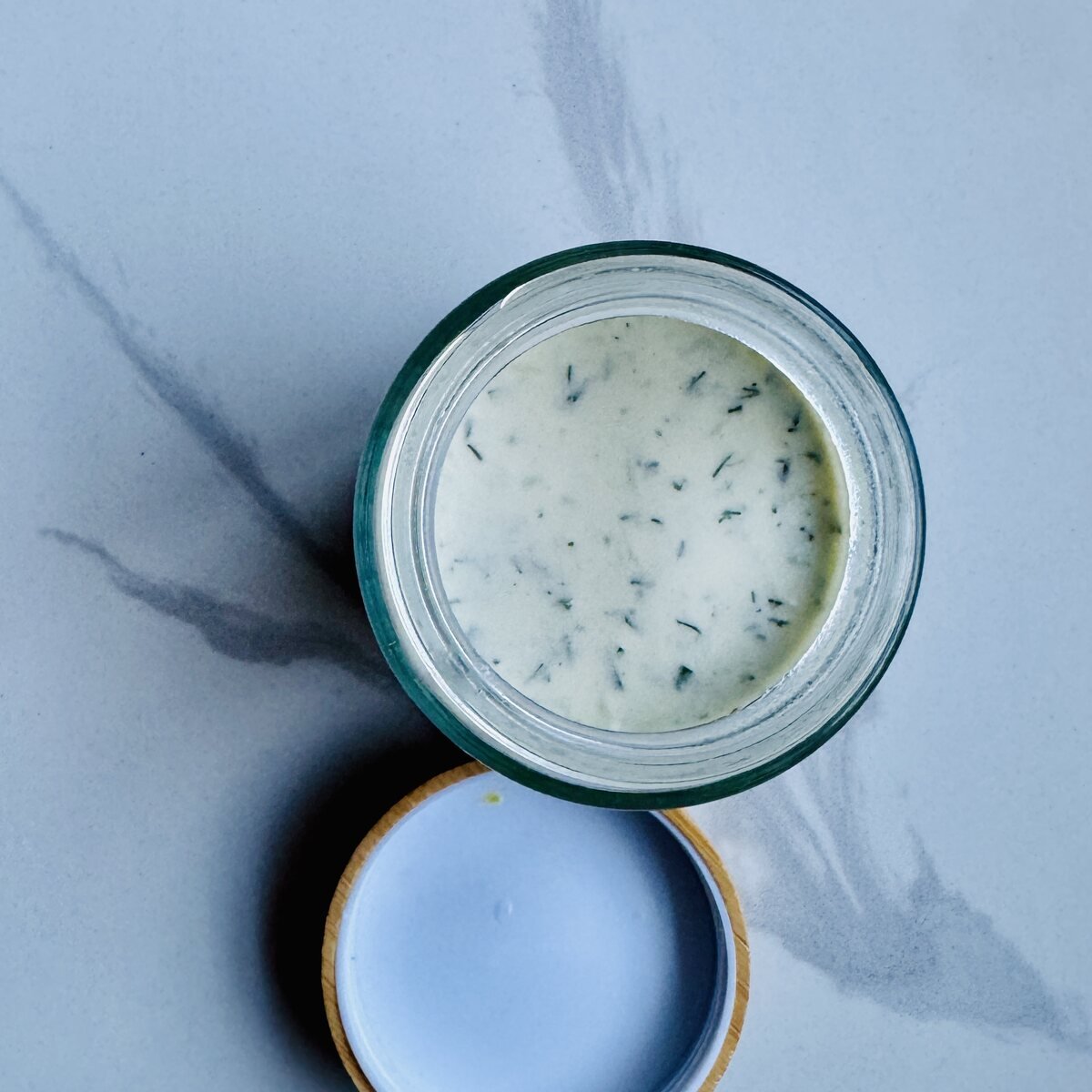
What Does Greek Yogurt Chicken Marinade Taste Like?
This marinade is tangy without tasting sour, deeply garlicky without becoming harsh, and herb-forward from the oregano. Cumin brings warmth and makes the flavor feel fuller, while lemon zest adds a fresh citrus aroma without requiring too much lemon juice.
The cayenne is optional. At ¼ teaspoon it adds background warmth rather than making the chicken noticeably spicy. Leave it out for a completely mild marinade.
This is not a thick finishing sauce, even though it contains yogurt. Its job is to season raw chicken before cooking. If you want something cool and creamy to spoon over the finished chicken, use Creamy Greek Sauce or my homemade tzatziki.
Why Use Greek Yogurt in Chicken Marinade?
Greek yogurt gives the marinade body. Instead of the garlic, oregano, cumin, and lemon running to the bottom of the container, the yogurt helps them cling to every piece of chicken.
Yogurt also brings mild acidity. It behaves more gently around meat than a marinade dominated by vinegar or citrus juice, which makes it especially useful for chicken. The goal is not to force flavor into the center of the meat. The goal is to season the surface well, keep the aromatics in close contact, and create a flavorful exterior when the chicken cooks.
If you enjoy understanding why techniques work, Nik Sharma’s explanation of the science of yogurt marinades goes deeper into how yogurt affects meat.
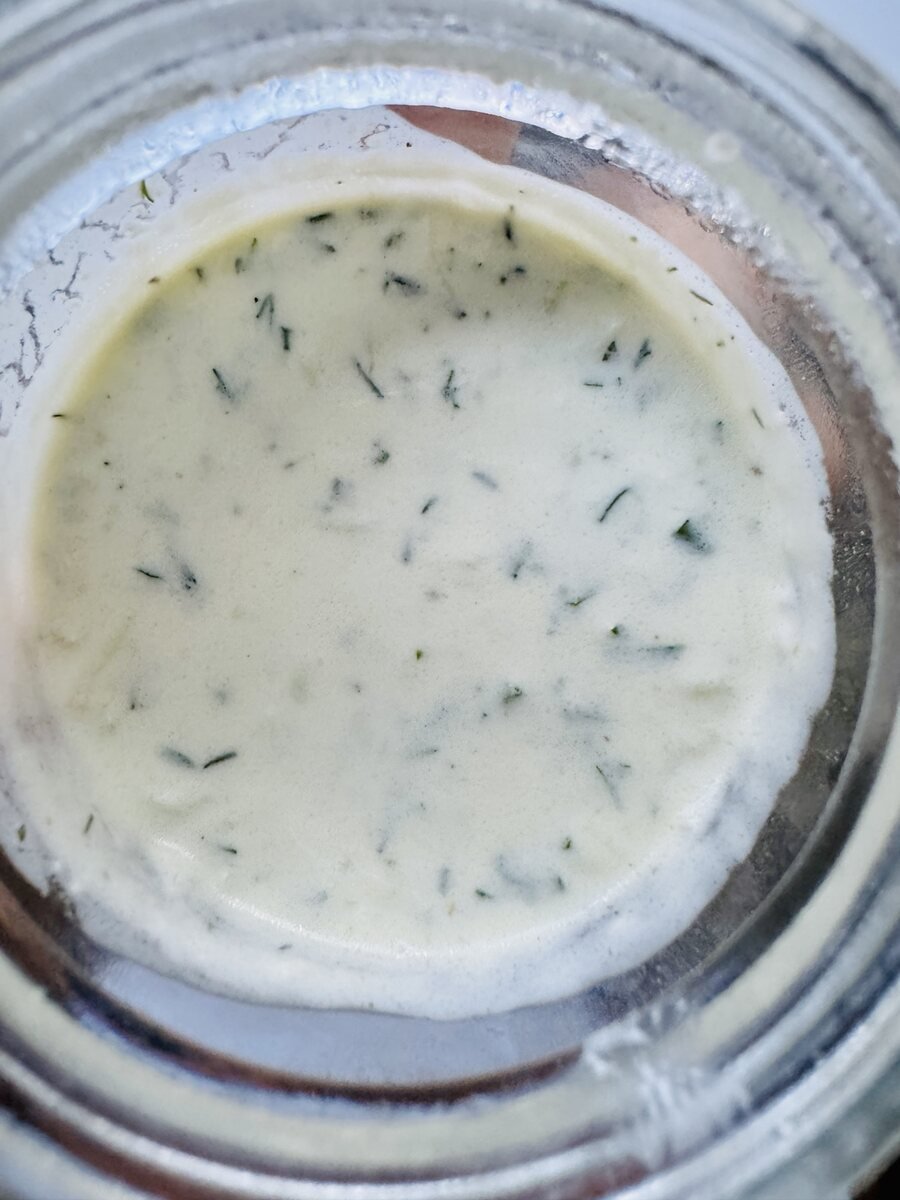
Greek Yogurt Chicken Marinade Ingredients
Plain Greek Yogurt
Use plain, unsweetened Greek yogurt. Whole-milk or 2% yogurt both work. Greek yogurt’s thicker texture coats the chicken better than a thin regular yogurt.
Lemon
Use both the zest and juice from one lemon. The juice provides acidity; the zest adds fragrant lemon flavor without adding more liquid. Zest the lemon before juicing it.
Garlic
Four finely grated cloves give the marinade a clear garlic flavor. A Microplane fine grater (affiliate link) helps the garlic distribute evenly and reduces the chance of large pieces burning on the chicken.
Dried Oregano and Cumin
Dried oregano supplies the familiar herb flavor, while cumin adds warmth and savory depth. Neither one should disappear into the yogurt.
Olive Oil, Salt, Pepper, and Cayenne
Olive oil loosens the yogurt slightly and helps the mixture coat the chicken. Salt does the essential seasoning work. Black pepper adds bite, and cayenne is optional for gentle heat.
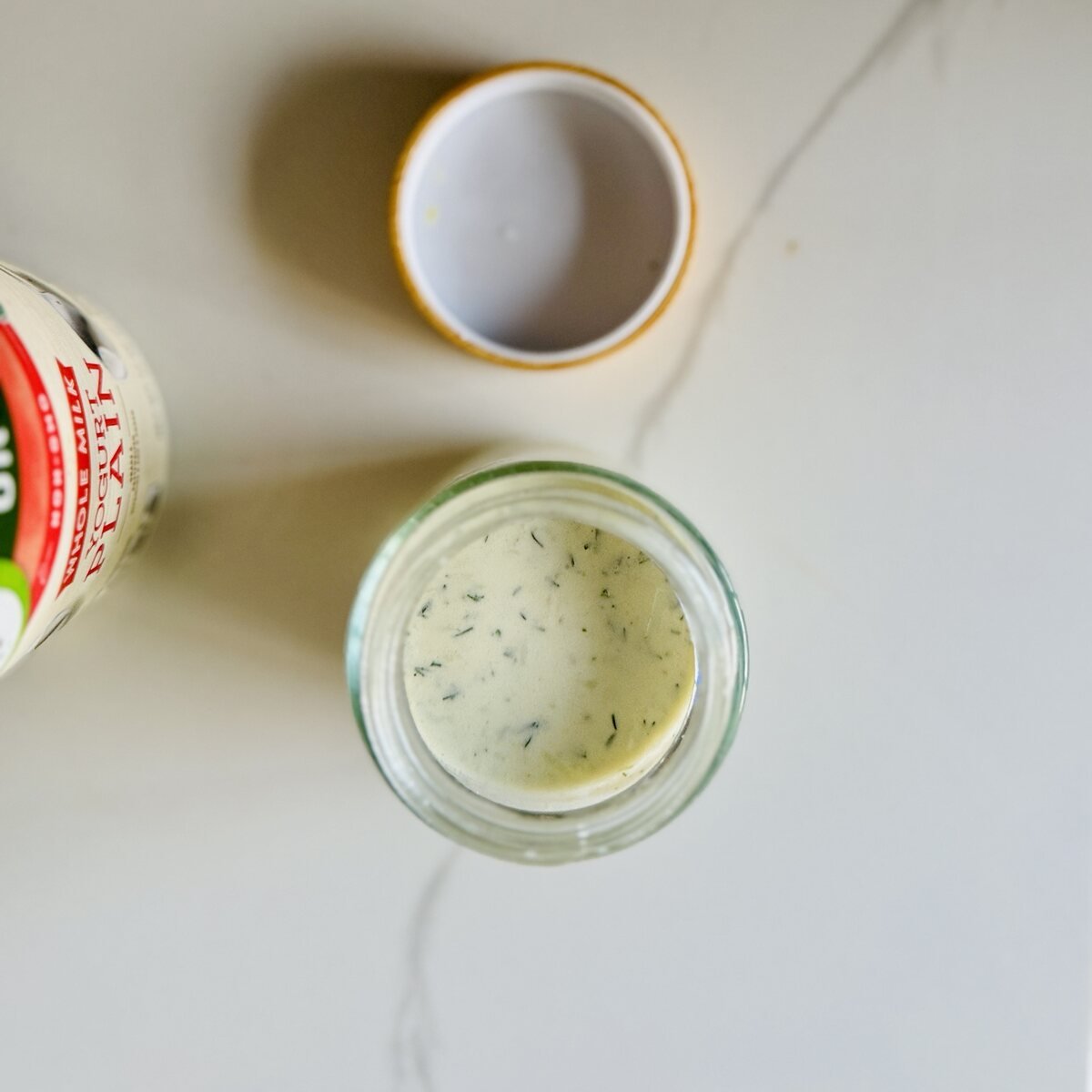
The Tested Marinade Formula
- 1 cup plain Greek yogurt
- 2 tablespoons olive oil
- Zest and juice of 1 lemon
- 4 garlic cloves, finely grated
- 1 tablespoon dried oregano
- 1½ teaspoons kosher salt
- 1 teaspoon ground cumin
- ½ teaspoon black pepper
- ¼ teaspoon cayenne pepper, optional
This makes enough marinade for 2 pounds of boneless skinless chicken thighs or breasts.
How to Make Greek Yogurt Chicken Marinade
- Add the Greek yogurt, olive oil, lemon zest, lemon juice, grated garlic, oregano, salt, cumin, black pepper, and cayenne to a large bowl.
- Whisk until the mixture is smooth and the seasonings are evenly distributed.
- Add the chicken and turn each piece until it is completely coated.
- Cover the bowl or transfer everything to a sealed container. Refrigerate for at least 30 minutes, preferably 2 to 4 hours.
- When ready to cook, lift the chicken from the marinade and scrape away the heavy excess. Leave a thin coating attached.
- Discard the marinade that touched raw chicken. Cook the chicken until the thickest portion reaches 165°F.
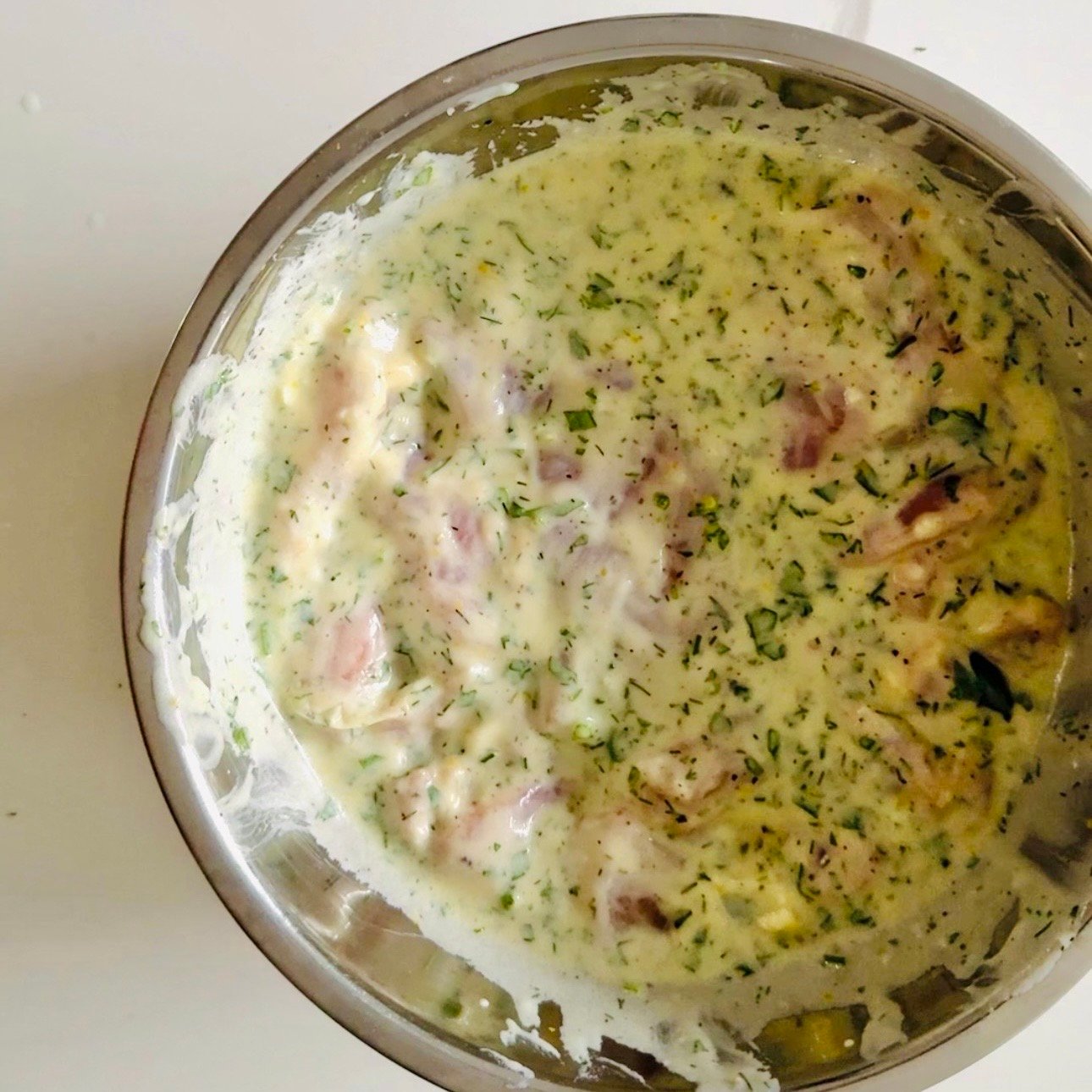
How Long Should Chicken Marinate in Greek Yogurt?
Thirty minutes is the minimum; two to four hours is my preferred marinating time. That window gives boneless chicken thighs plenty of surface seasoning while still fitting comfortably into a weeknight schedule.
For this particular formula, you can marinate the chicken for up to about eight hours. Although general food-safety limits may allow raw poultry to remain refrigerated in marinade longer, that does not mean longer always produces the best texture or flavor. This recipe contains lemon as well as yogurt, so I prefer the shorter window.
Always marinate chicken in the refrigerator, never on the counter. The right timing changes with the protein and the strength of the marinade, so delicate fish and shrimp need a different approach from chicken thighs or pork. See my complete marinating-time guide for the full chart.
The Secret to Browning Yogurt-Marinated Chicken
The most important step happens before the chicken reaches the pan: scrape away the thick excess marinade.
You do not need to wipe the chicken clean or rinse it. Leave a thin coating on the surface. A heavy blanket of wet yogurt releases moisture and can make the chicken steam before it browns.
Use a properly heated pan, add a light coating of oil, and leave space between the pieces. If the skillet is crowded, the temperature drops and the chicken releases more moisture into the pan.
How I Cook the Yogurt-Marinated Chicken
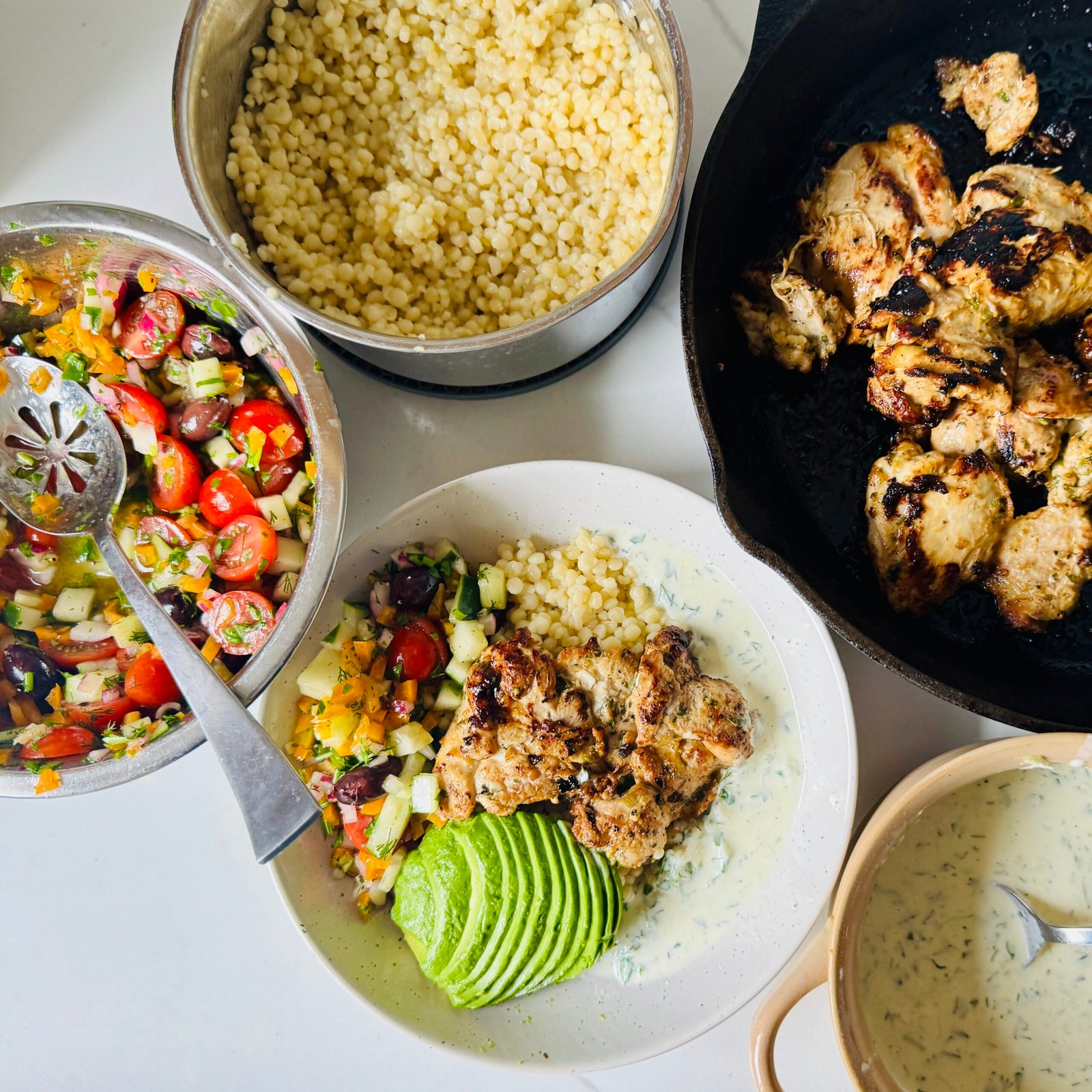
My tested method uses an oven-safe skillet and a 425°F oven. Heat the skillet over medium-high heat with a light coating of oil. Sear the chicken thighs for about 3 to 4 minutes on the first side and 2 to 3 minutes on the second.
Transfer the skillet to the oven and cook for approximately 5 to 8 additional minutes, depending on thickness, until the thickest portion reaches 165°F. Rest the chicken for 5 minutes before slicing.
A 12-inch cast-iron skillet (affiliate link) makes the stovetop-to-oven method easy, and an instant-read digital thermometer (affiliate link) removes the guesswork without cutting into the chicken.
Can I Use Chicken Breasts Instead of Thighs?
Yes. Boneless chicken breast works with the same marinade. If the breasts are very thick, pound them to a more even thickness or cut them into similarly sized pieces so they cook at the same rate.
The cooking time will depend on thickness, so use temperature rather than the clock alone. Chicken breast is less forgiving when overcooked, which makes a thermometer especially helpful.
Ways to Use Greek Yogurt Marinated Chicken
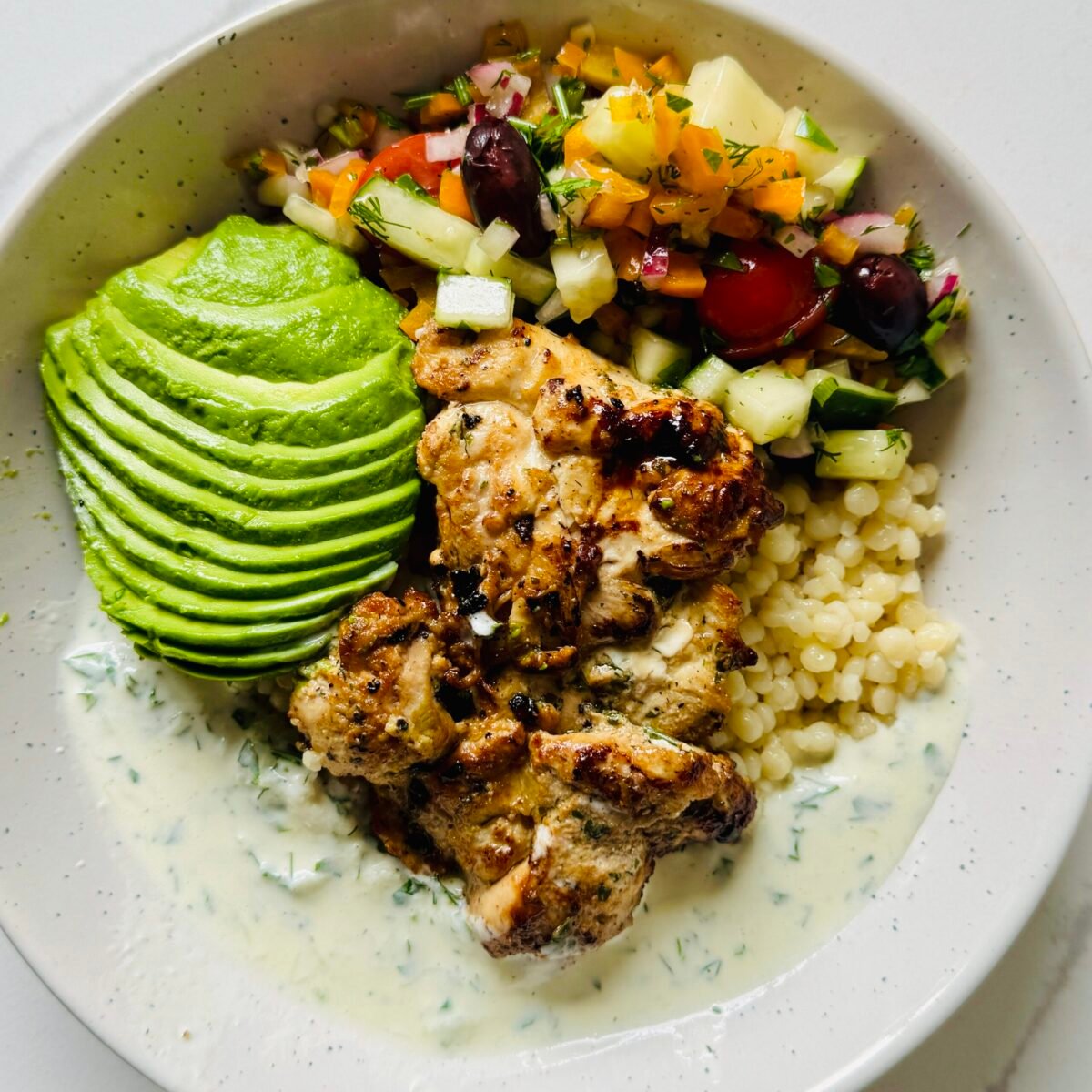
- Greek chicken bowls: serve over garlic couscous with cucumber, tomatoes, peppers, Kalamata olives, herbs, and Creamy Greek Sauce.
- Pita wraps: add sliced chicken, lettuce, tomato, onion, and tzatziki.
- Meal-prep lunches: pair the chicken with rice or couscous, and use glass meal-prep containers with divided compartments (affiliate link) to keep the fresh vegetables and sauce separate from anything you plan to reheat.
- Chicken salad plates: serve with chopped cucumber-tomato salad, hummus, olives, and warm pita.
- Roasted-potato dinner: add lemony potatoes and a crisp green salad.
The easiest complete application is my Greek Chicken Bowls with Yogurt-Marinated Chicken. It shows how the marinade can start the flavor while a separate finishing sauce connects the chicken, couscous, and vegetables.
Storage and Food Safety
Mix the yogurt marinade up to two days before adding the chicken and keep it covered in the refrigerator. Once raw chicken has been added, keep the entire container refrigerated.
Discard any marinade that has touched raw poultry. If you want a cold yogurt sauce for serving, make the separate Creamy Greek Sauce rather than trying to repurpose the raw-chicken marinade.
The USDA recommends marinating poultry in the refrigerator and cooking chicken to a minimum internal temperature of 165°F. Review its poultry marinating guidance and chicken safety guidance for current recommendations.
Frequently Asked Questions
Does Greek yogurt tenderize chicken?
Greek yogurt provides mild acidity and keeps salt, herbs, garlic, and spices in close contact with the chicken. It is gentler than a marinade dominated by vinegar or citrus, which makes it a useful base for chicken.
Do I rinse off the yogurt marinade?
No. Lift the chicken from the marinade and scrape away the heavy excess, but leave a thin coating attached. Do not rinse raw chicken.
Can I marinate yogurt chicken overnight?
You can, but for this lemon-containing recipe I prefer 2 to 4 hours and recommend no more than about 8 hours for the best flavor balance.
Can I grill yogurt-marinated chicken?
Yes. Scrape off the thick excess, oil the grill grates, and cook over a well-heated grill until the thickest portion reaches 165°F. Watch for flare-ups because yogurt and oil can drip as the chicken cooks.
Can the marinade be used as a sauce?
Do not serve marinade that has touched raw chicken as a cold sauce. For this meal, keep the jobs separate: use the marinade on the raw chicken and Creamy Greek Sauce on the finished dish.
Greek Yogurt Chicken Marinade

Equipment
- Large mixing bowl
- Covered nonreactive container or food-safe zip-top bag
Ingredients
Greek Yogurt Marinade
- 1 cup plain Greek yogurt whole-milk or 2%
- 2 tablespoons olive oil
- 1 lemon zested and juiced
- 4 cloves garlic finely grated
- 1 tablespoon dried oregano
- 1 ½ teaspoons kosher salt
- 1 teaspoon ground cumin
- ½ teaspoon black pepper
- ¼ teaspoon cayenne pepper optional
For Marinating
- 2 pounds boneless skinless chicken thighs or breasts about 907 g
Instructions
Mix the Marinade
- Add the Greek yogurt, olive oil, lemon zest, lemon juice, garlic, oregano, salt, cumin, black pepper, and cayenne to a large bowl.
- Whisk until smooth and the seasonings are evenly distributed.
Marinate the Chicken
- Add the chicken and turn every piece until thoroughly coated. Cover the bowl or transfer everything to a sealed food-safe container.
- Refrigerate for at least 30 minutes, preferably 2 to 4 hours. For this lemon-containing formula, use within about 8 hours for the best flavor balance.
Prepare for Cooking
- Lift the chicken from the marinade and scrape away the heavy excess, leaving a thin coating attached. Discard the marinade that touched raw chicken.
- Cook using your preferred method until the thickest portion reaches a minimum internal temperature of 165°F. Rest cooked chicken for 5 minutes before slicing.
Notes
A Marinade That Becomes More Than One Dinner
This is the kind of component I want in my Flavor Builders collection. It solves the beginning of dinner without locking you into one finished meal.
Use it for the Greek Chicken Bowls first. The next time, move the same chicken into pita wraps, a chopped salad, roasted potatoes, or a simple platter with vegetables and sauce.
If you want another marinade direction, try my Mojo Marinade or the Soy Ginger Marinade and Glaze.
This post contains affiliate links. If you purchase through one of these links, I may earn a small commission at no additional cost to you. Thank you for supporting The Colorful Pantry. As an Amazon Associate, I earn from qualifying purchases.



Comments
No Comments