
The biggest mistake people make with marinades is assuming longer is always better. It is not.
The right marinating time depends on what you are cooking, how delicate it is, and how acidic the marinade is. Shrimp and salmon need a very different approach from chicken thighs or pork shoulder.
This guide gives you practical best-quality marinating ranges for shrimp, fish, chicken, pork, steak, lamb, tofu, and vegetables. These are not maximum safety limits or a challenge to see how long food can sit. They are the timing ranges I use to get good flavor without pushing the texture too far.
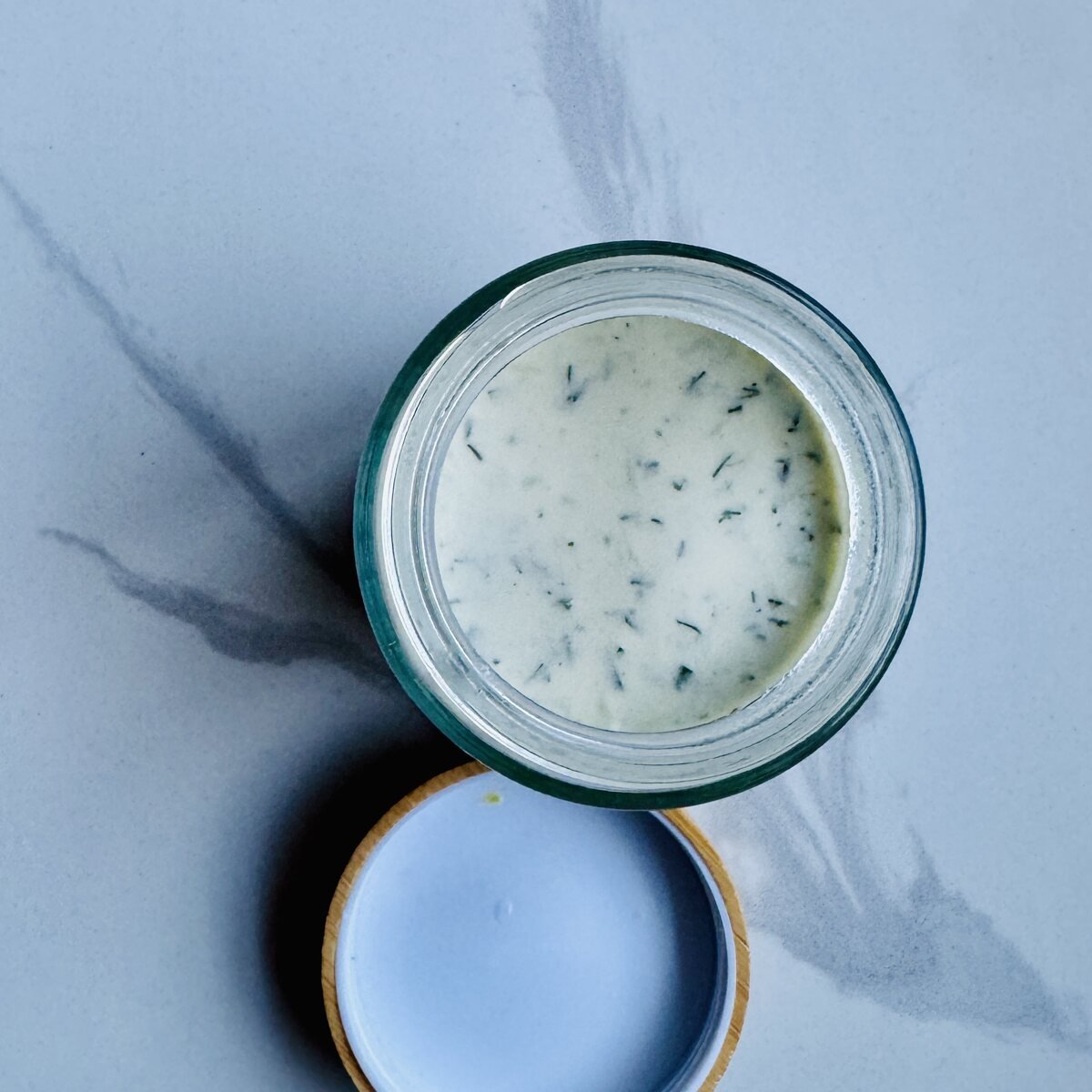
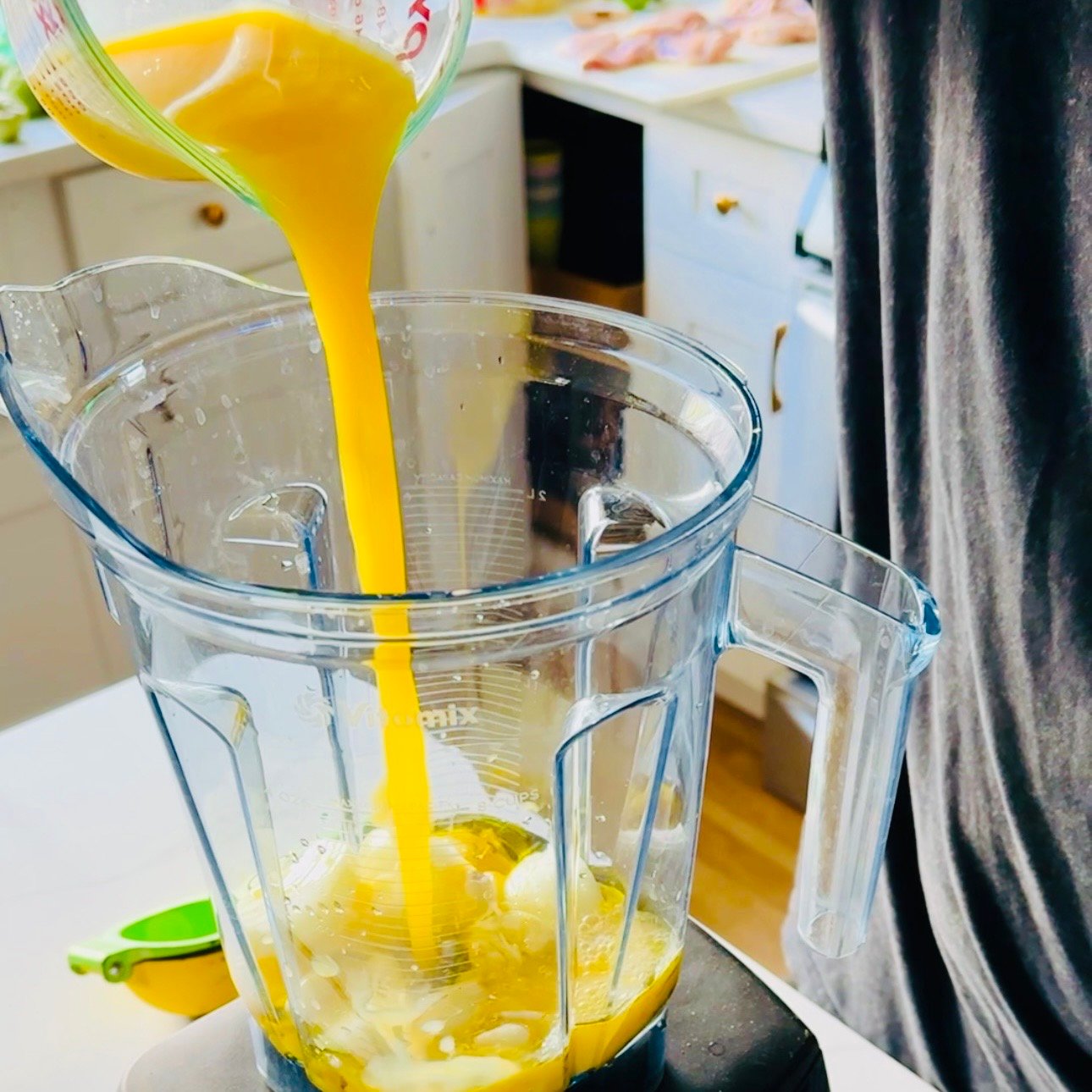
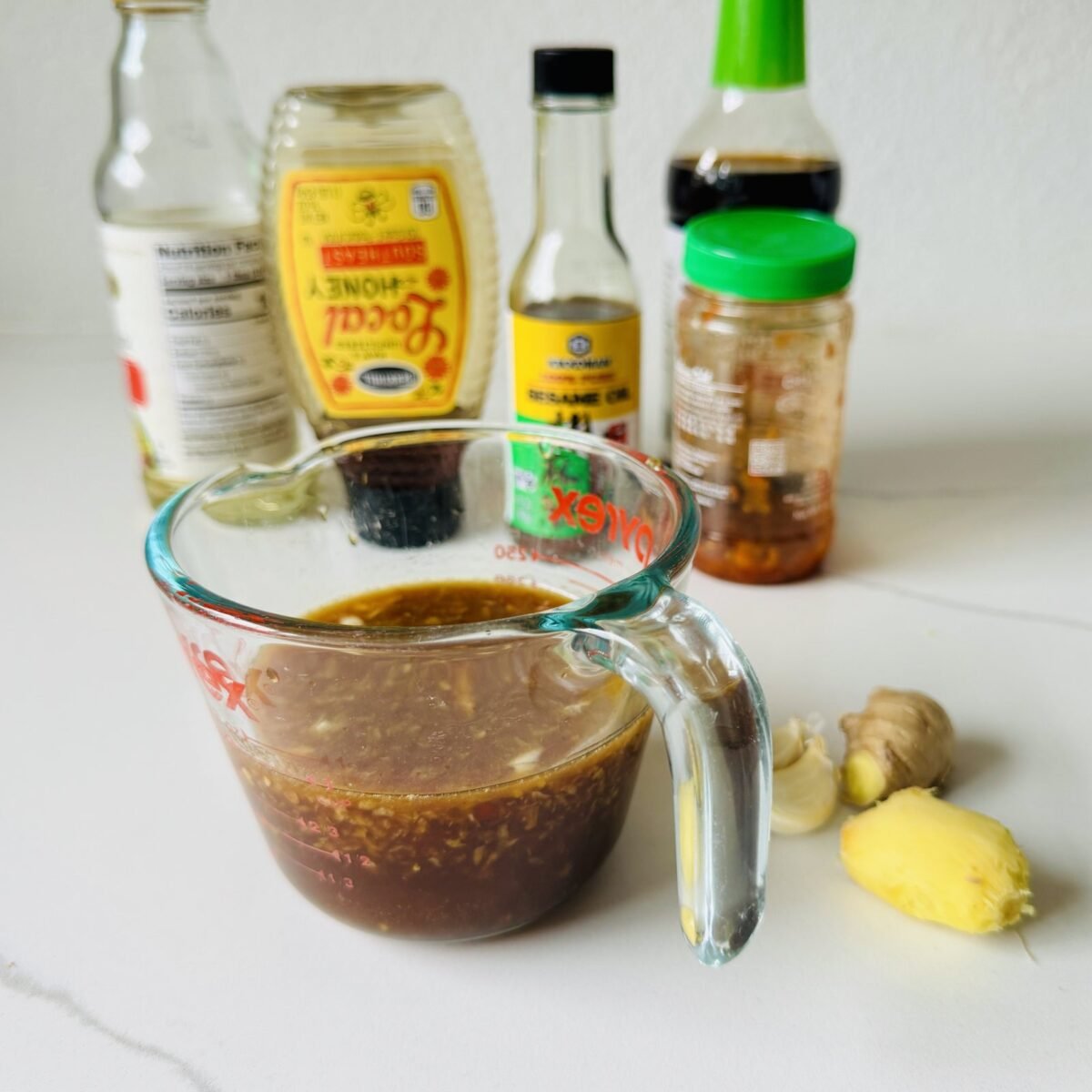
If you are looking for actual flavor directions to pair with the chart, browse Flavor Builders, my Mojo Marinade, my Soy Ginger Marinade and Glaze, or the complete Soy Ginger Salmon Rice Bowls to see a short marinade and clean glaze in action.
Marinating Times at a Glance
| Protein or ingredient | Best-quality range | What to know |
|---|---|---|
| Shrimp | 10–30 minutes | Keep it short, especially with citrus-heavy marinades. |
| Fish / salmon | 15–45 minutes | Use shorter times with strong citrus. A clean glaze can add more flavor after cooking. |
| Chicken breast | 30 minutes–6 hours | Thinner pieces give you more seasoned surface area without an overnight soak. |
| Chicken thighs / drumsticks | 30 minutes–12 hours | Thirty minutes works for smaller boneless pieces; longer timing suits larger or bone-in pieces. |
| Pork tenderloin / chops | 1–8 hours | Works well with citrus, mustard, yogurt, soy, and spice-forward marinades. |
| Pork shoulder | 4–24 hours | A larger cut that works well with mojo and jerk-inspired flavor directions. |
| Flank / skirt steak | 30 minutes–8 hours | Use bold marinades, then slice cooked steak across the grain. |
| Lamb | 2–12 hours | Especially good with yogurt, herbs, garlic, lemon, and mustard. |
| Tofu | 30 minutes–24 hours | Press extra-firm tofu first for better surface flavor. |
| Vegetables | 15–60 minutes | Usually better tossed shortly before roasting or grilling than soaked for hours. |
The simple rule: the more delicate the food and the more acidic the marinade, the shorter the marinating time.
Why Longer Is Not Always Better
A marinade is a surface-flavor tool, not magic soaking liquid. Salt can season over time, but much of the flavor from garlic, herbs, spices, citrus, oil, and chiles stays relatively close to the surface.
That matters because the surface is exactly where browning happens. It is also where a clean glaze, sauce, butter, seasoning salt, or other finishing component can add another layer after cooking.
A thick steak sitting in marinade for two days will not automatically taste more seasoned at its center than a thinner cut that was properly salted and marinated for a few hours. More time is not always the most useful variable.
What Acid Does in a Marinade
Lemon, lime, vinegar, yogurt, buttermilk, and mustard all bring acidity in different ways. Acidity can brighten the flavor and affect the surface texture of proteins, but delicate foods respond much faster than large cuts of meat. A Microplane fine grater (affiliate link) is especially useful here because citrus zest and finely grated garlic add concentrated surface flavor without requiring more acidic juice.
Seafood is the clearest example. A citrus-heavy marinade that works beautifully for pork shoulder can push shrimp or fish too far if you leave it for hours.
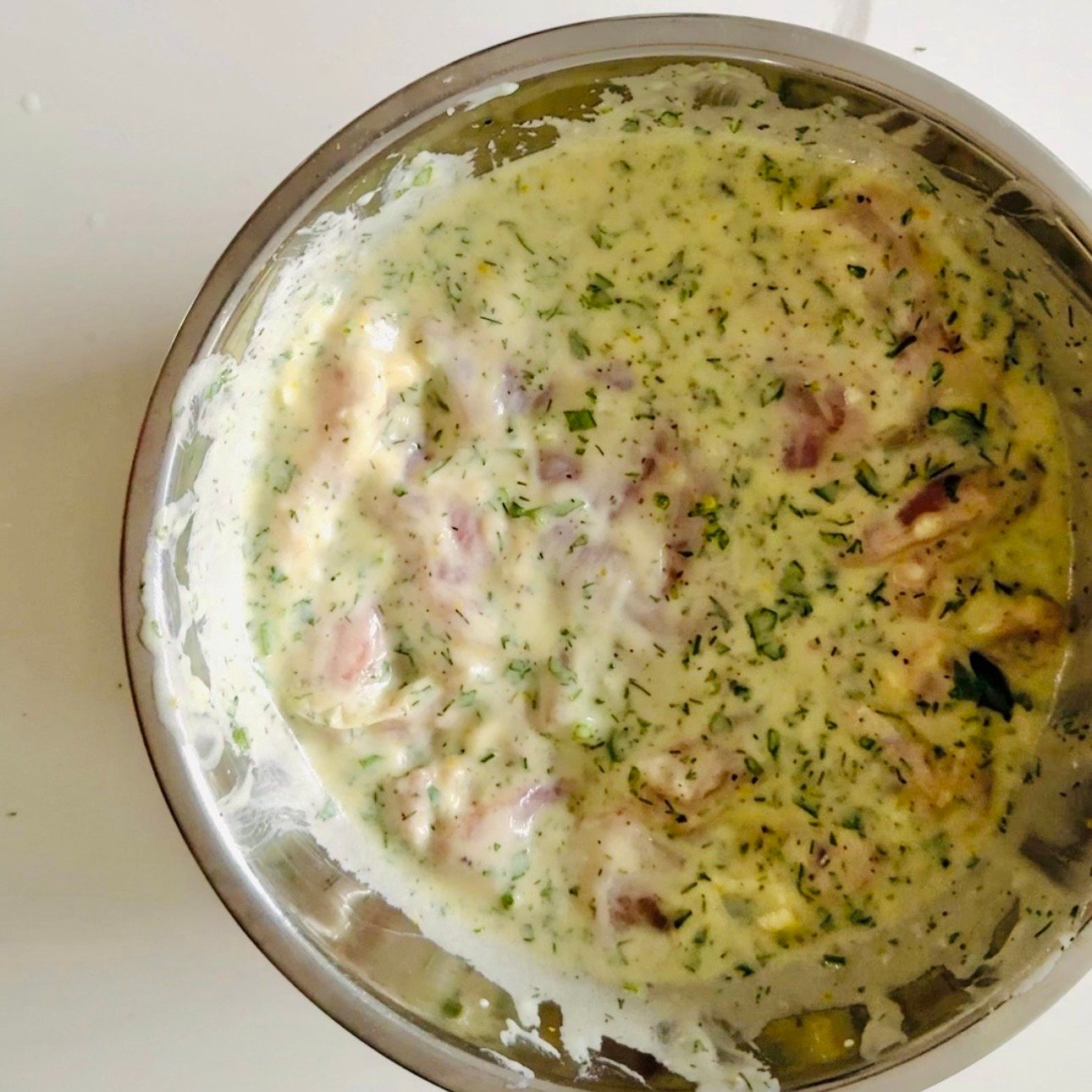
Yogurt behaves differently from a very sharp citrus marinade, which is one reason I like it for chicken. Start with my Greek Yogurt Chicken Marinade for the standalone formula, then see it used in Greek Chicken Bowls with Yogurt-Marinated Chicken.
How Long to Marinate Shrimp
Best-quality range: 10–30 minutes.
Shrimp is delicate, so this is where short timing matters most. If the marinade has a meaningful amount of lemon, lime, or vinegar, stay toward the shorter end. You can always build more flavor after cooking with a clean glaze or finishing sauce.
How Long to Marinate Fish and Salmon
Best-quality range: 15–45 minutes.
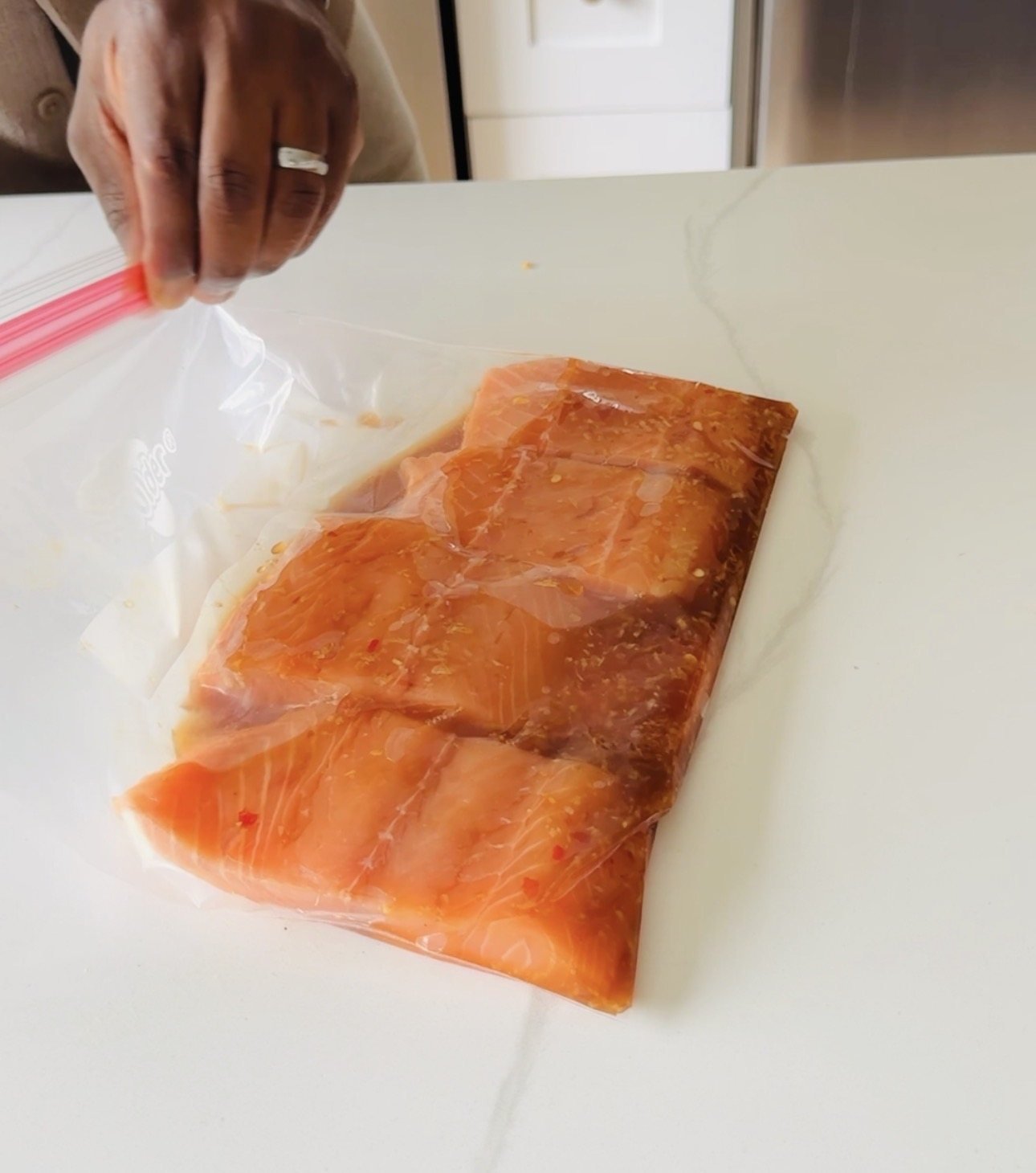
Fish and salmon pick up surface flavor quickly. For my Soy Ginger Salmon Rice Bowls, 20 to 30 minutes is enough, and the clean reserved glaze reinforces the flavor after cooking.
For a citrus-heavy marinade such as Mojo, keep delicate seafood toward the shorter end.
How Long to Marinate Chicken Breast
Best-quality range: 30 minutes–6 hours.
Chicken breast does not need two days in a marinade. Cutting the chicken into smaller pieces or pounding it thinner increases the surface area and can give you more flavor without a very long soak.
Yogurt marinades, lemon-Dijon styles, mojo, and soy ginger all work well here. Keep the food refrigerated while it marinates. The USDA’s poultry marinating guidance reinforces refrigerating poultry during marination and cooking it promptly afterward.
How Long to Marinate Chicken Thighs and Drumsticks
Best-quality range: 30 minutes–12 hours.
Thighs and drumsticks are more forgiving than chicken breast. Smaller boneless pieces can pick up useful surface flavor in 30 minutes, while larger or bone-in pieces can use more time. For my Greek Yogurt Chicken Marinade, two to four hours is my preferred window and about eight hours is the preferred maximum because it also contains lemon.
How Long to Marinate Pork
Pork tenderloin or chops: 1–8 hours. These cuts work well with mojo, mustard, yogurt, soy ginger, and spice-forward marinades.
Pork shoulder: 4–24 hours. The longer range makes more sense for a larger cut that may be headed for roasting, slow cooking, or pressure cooking.
How Long to Marinate Flank or Skirt Steak
Best-quality range: 30 minutes–8 hours.
Bold soy-ginger, mojo, mustard-herb, and chile-spice marinades all make sense with these cuts. Marinating can build surface flavor, but slicing across the grain after cooking is still one of the biggest factors in how tender the steak feels.
How Long to Marinate Lamb
Best-quality range: 2–12 hours.
Greek yogurt, herbs, garlic, lemon, and Dijon all pair naturally with lamb. For smaller chops, stay toward the shorter side; larger pieces can take more time.
How Long to Marinate Tofu
Best-quality range: 30 minutes–24 hours.
Press extra-firm tofu first. Then use a marinade with enough salt and aromatics to make the surface flavorful. Soy ginger is one of the most useful directions because it brings salt, umami, sweetness, and aromatics in one mixture.
How Long to Marinate Vegetables
Best-quality range: 15–60 minutes.
Vegetables usually do not need a long soak. Tossing zucchini, mushrooms, peppers, onions, or broccoli with a flavorful mixture shortly before roasting or grilling is often enough to coat the surface and help the seasoning cling.
The Best Container for Marinating
| Container | Best for | Why it works | Watch-outs |
|---|---|---|---|
| Zip-top bag | Chicken, pork, steak, tofu | Good surface contact with less marinade | Place on a tray in case it leaks |
| Reusable silicone bag | Everyday meal prep | Good contact and reusable | Clean thoroughly after raw protein |
| Covered bowl | Large batches, bone-in pieces, yogurt marinades | Easy to stir and reuse | Flip or stir for even coating |
| Shallow glass dish | Fish, shrimp, tofu slabs, cutlets | Useful for delicate foods and short timing | Takes more refrigerator space |
| Vacuum-seal bag | Freezer prep | Compact with excellent surface contact | Vacuum sealing does not magically force flavor to the center |
Marinade Safety: Keep It Cold and Reserve the Sauce First
Always marinate meat, poultry, seafood, and other perishable foods in the refrigerator—not on the counter.
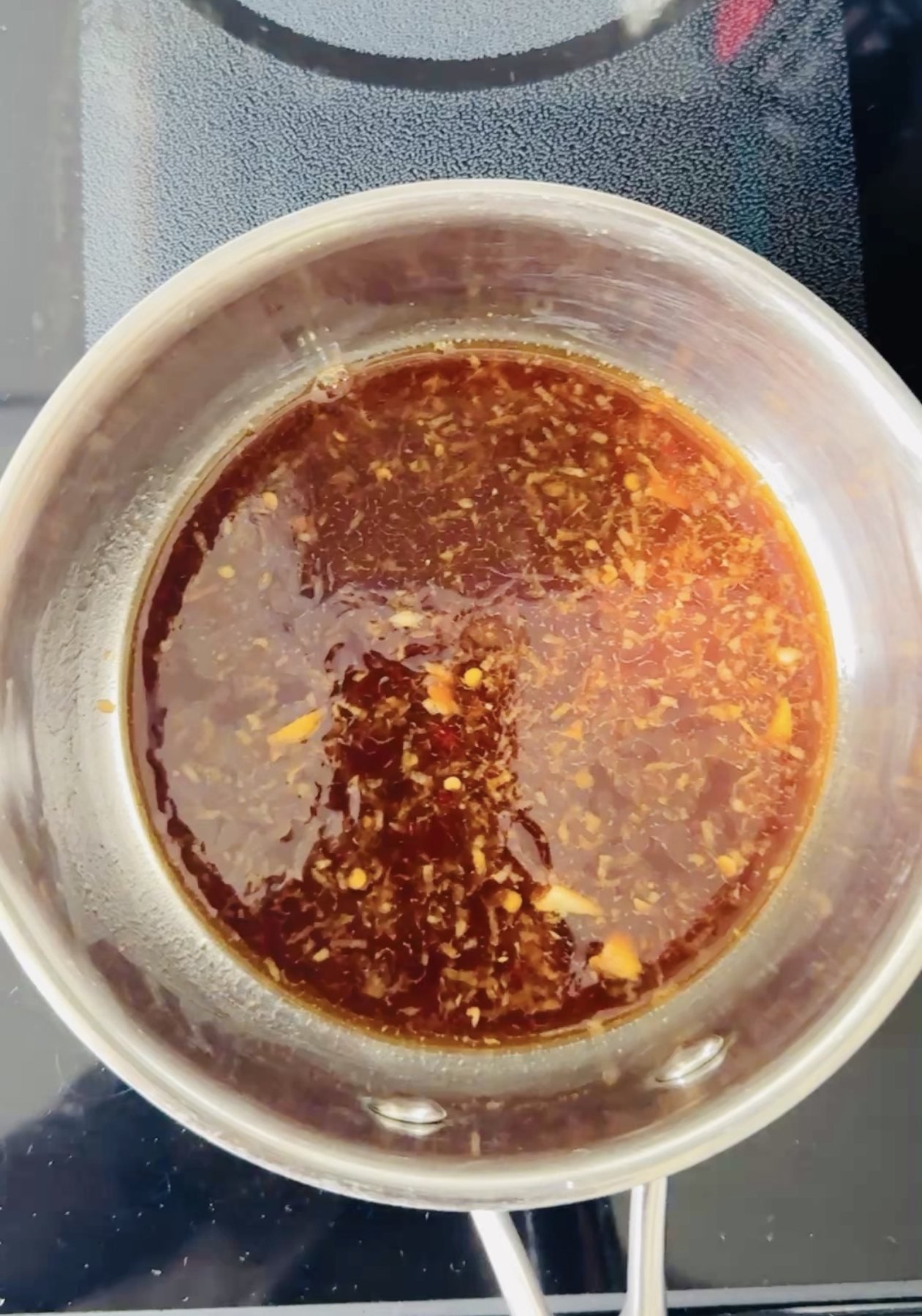
If you want part of a marinade to become a glaze, sauce, or topping, reserve that portion before raw protein touches the mixture. A clear liquid measuring cup (affiliate link) makes it easy to portion the clean reserve before the rest of the marinade goes near raw meat or seafood.
If a marinade has already touched raw meat, poultry, or seafood, do not treat it as a ready-to-eat sauce. The FDA advises that used marinade should not be reused on cooked food unless it is brought to a rapid boil first. Reserving a clean portion at the beginning is simpler and usually gives you better control over the finished sauce. Review the FDA’s current marinating-safety guidance.
Marinating time is also separate from cooking safety. An instant-read digital thermometer (affiliate link) is more reliable than judging doneness by color or cooking time alone. Use the appropriate safe internal temperature for the food you are cooking; FoodSafety.gov maintains the current temperature chart.
A Quick Way to Choose the Right Timing
- Start with the food. Shrimp and fish need less time than thighs, pork shoulder, or tofu.
- Look at the acid. The more citrus or vinegar, the more important it is to stay on the shorter end with delicate proteins.
- Think about surface area. Cubes, cutlets, and thinner pieces have more exposed surface than a thick roast.
- Marinate covered and refrigerated.
- Reserve any clean glaze or sauce first.
- Let excess marinade drip away when you want better browning. A well-heated 12-inch cast-iron skillet (affiliate link) holds heat well, but the food still needs surface space instead of a heavy puddle of marinade.
- Use a finishing component when you want more flavor after cooking.
Frequently Asked Questions
Can you marinate chicken overnight?
Sometimes, but overnight is not automatically better. Chicken thighs are more forgiving than breasts, and the amount of acid matters. For the lemon-containing Greek yogurt marinade used on this site, I prefer two to four hours and recommend about eight hours as the practical maximum for the best flavor and surface texture.
Can you marinate meat too long?
Yes. Strongly acidic marinades can make the outside of delicate proteins unpleasantly soft, while very salty or sweet mixtures can become overpowering. Use the chart as a starting range, then follow the more specific timing in the recipe you are making.
Should you rinse marinade off before cooking?
No. Let excess liquid drip away, or scrape away a very thick yogurt coating, but do not rinse raw meat or poultry. Removing the heavy excess helps browning without washing away all of the surface seasoning.
Can you reuse marinade as a sauce?
The easiest method is to reserve a clean portion before adding raw protein. If marinade has touched raw meat, poultry, or seafood, it must not be used as a ready-to-eat sauce unless it is brought to a rapid boil first according to FDA guidance.
Does poking holes help marinade penetrate meat?
You do not need to puncture the meat. Marinades do most of their work near the surface, so thinner pieces, cubes, cutlets, and good surface contact are more useful than repeatedly piercing a thick cut.
Where to Go From Here
Once the timing makes sense, marinades become much easier to use. You can choose a flavor direction because it fits the meal—not because a recipe told you everything has to sit overnight.
Start with my Lemon Dijon Chicken Marinade with Pan Sauce or Mojo Marinade, or use the Soy Ginger Salmon Rice Bowls to see a short marinating window and clean glaze in action. For more ways to build flavor around a meal, browse Flavor Builders.
The point is not to memorize one perfect number. It is to know why a 20-minute salmon marinade and an overnight pork marinade are solving different problems—and to use that knowledge wherever it helps you cook better.
This post contains affiliate links. If you purchase through one of these links, I may earn a small commission at no additional cost to you. Thank you for supporting The Colorful Pantry. As an Amazon Associate, I earn from qualifying purchases.


Comments
No Comments