
Most people think of a marinade as something you pour over meat before grilling. I think that definition is too small.
A useful marinade gives dinner a clear flavor direction before the food ever hits the pan. It seasons the surface, carries aromatics, helps with browning, and—when you reserve a clean portion first—can sometimes become a glaze or sauce after cooking.
This guide focuses on five marinade directions I keep coming back to: Greek Yogurt Garlic Herb, Jerk-Inspired Allspice Ginger, Mojo Citrus Garlic, Soy Ginger Sesame, and Lemon Dijon Herb. Together they teach different ways salt, acid or dairy, aromatics, fat, and sweetness can work.
They are part of the broader Flavor Builders collection—not the only way to cook and not a closed system. Sauces, syrups, compound butters, finishing salts, dressings, pickles, infused oils, and other components can do the same kind of work at different points in a meal.
A note on this guide: All five marinades have their own detailed recipe pages, with a matching dinner idea for four of them. The newest recipes are the simple jerk marinade and its coconut rice, beans and plantains dinner. Use the links below to move from the flavor base to a complete meal.
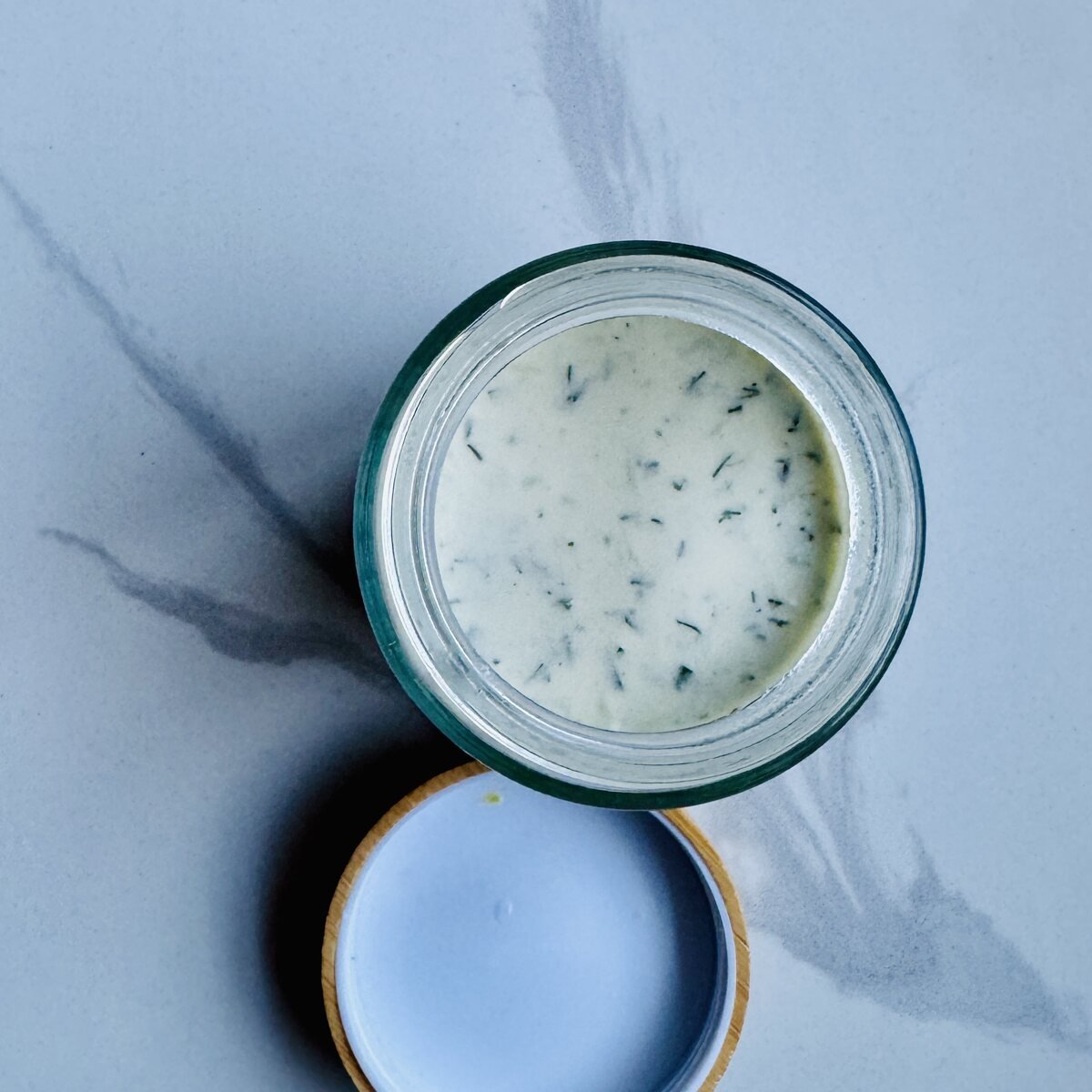
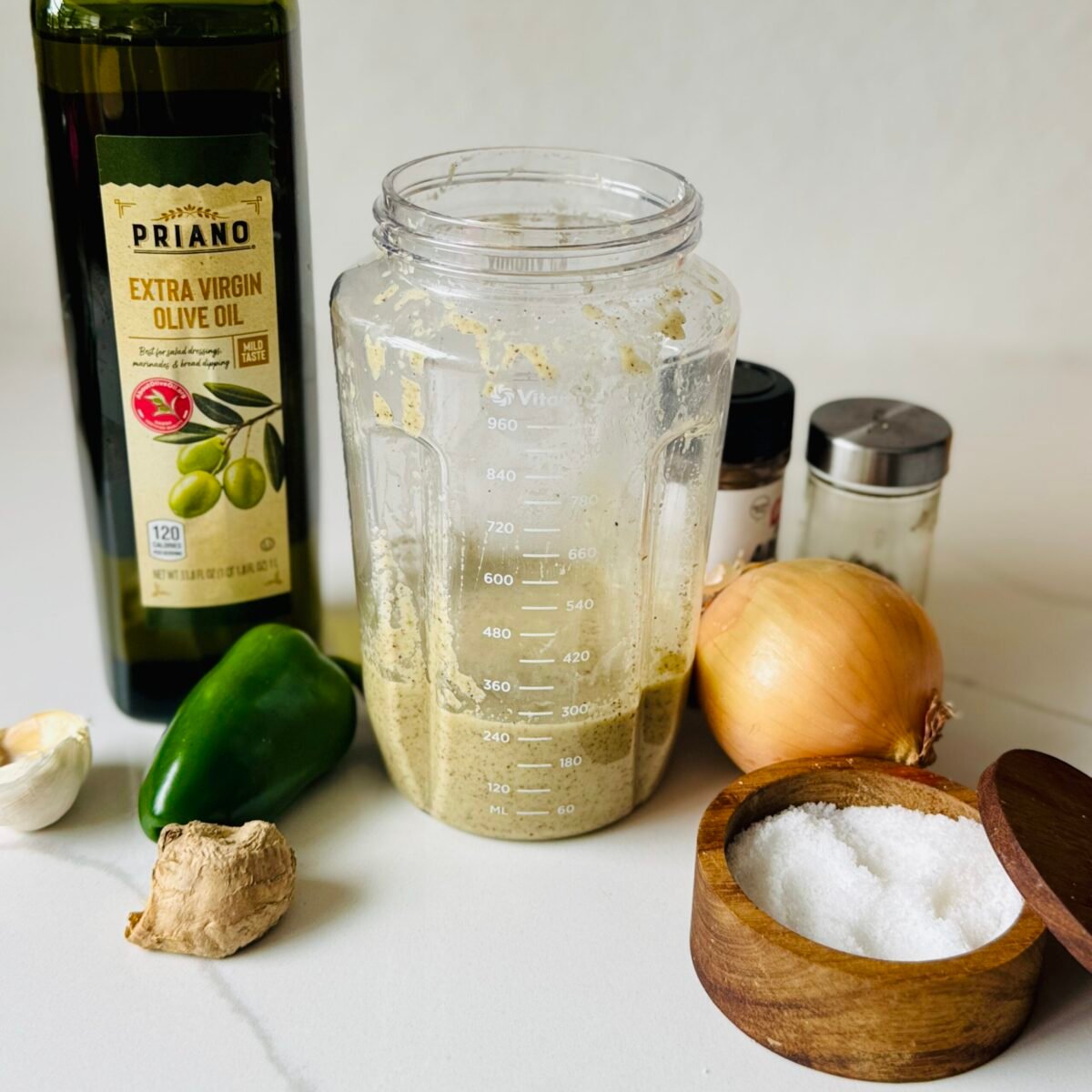
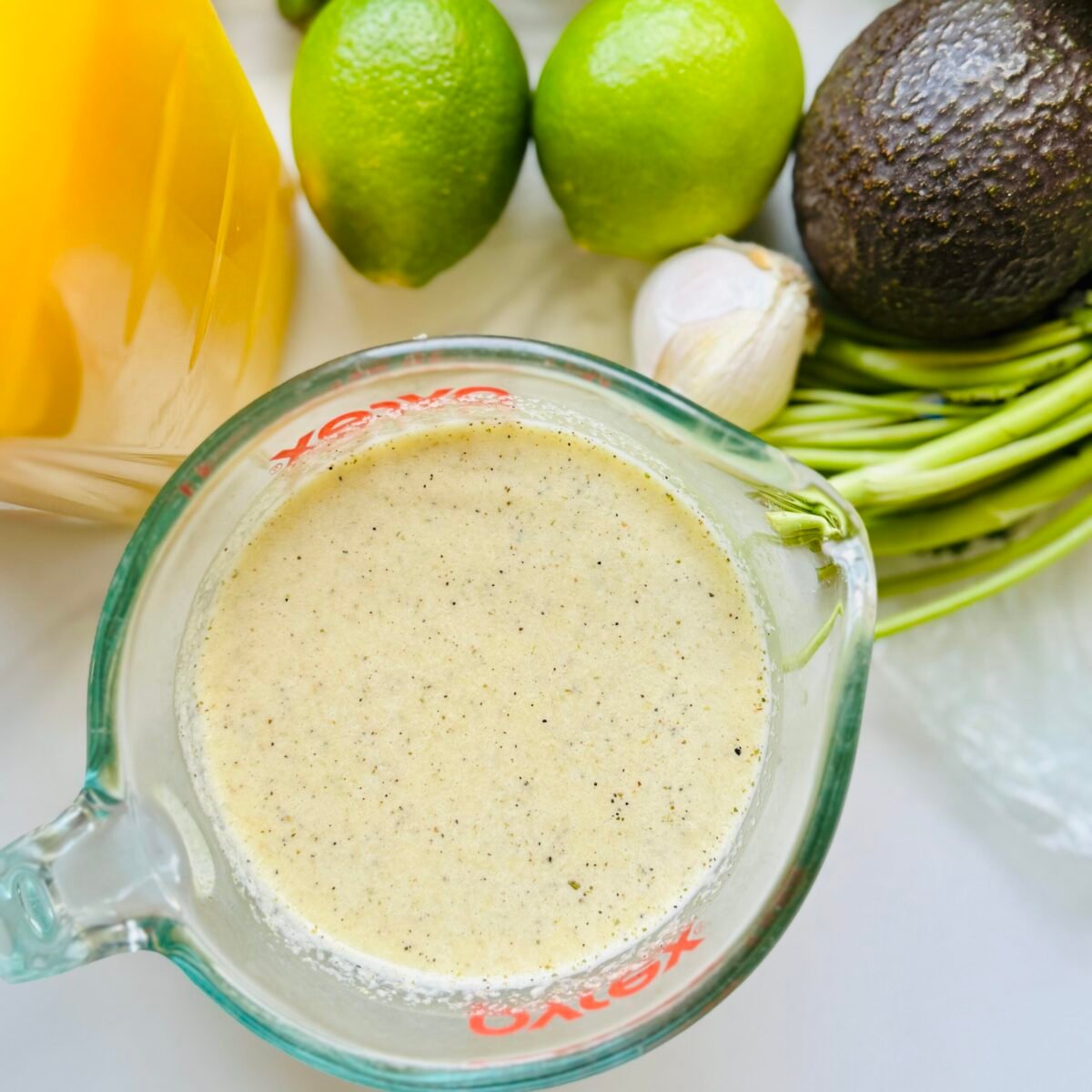
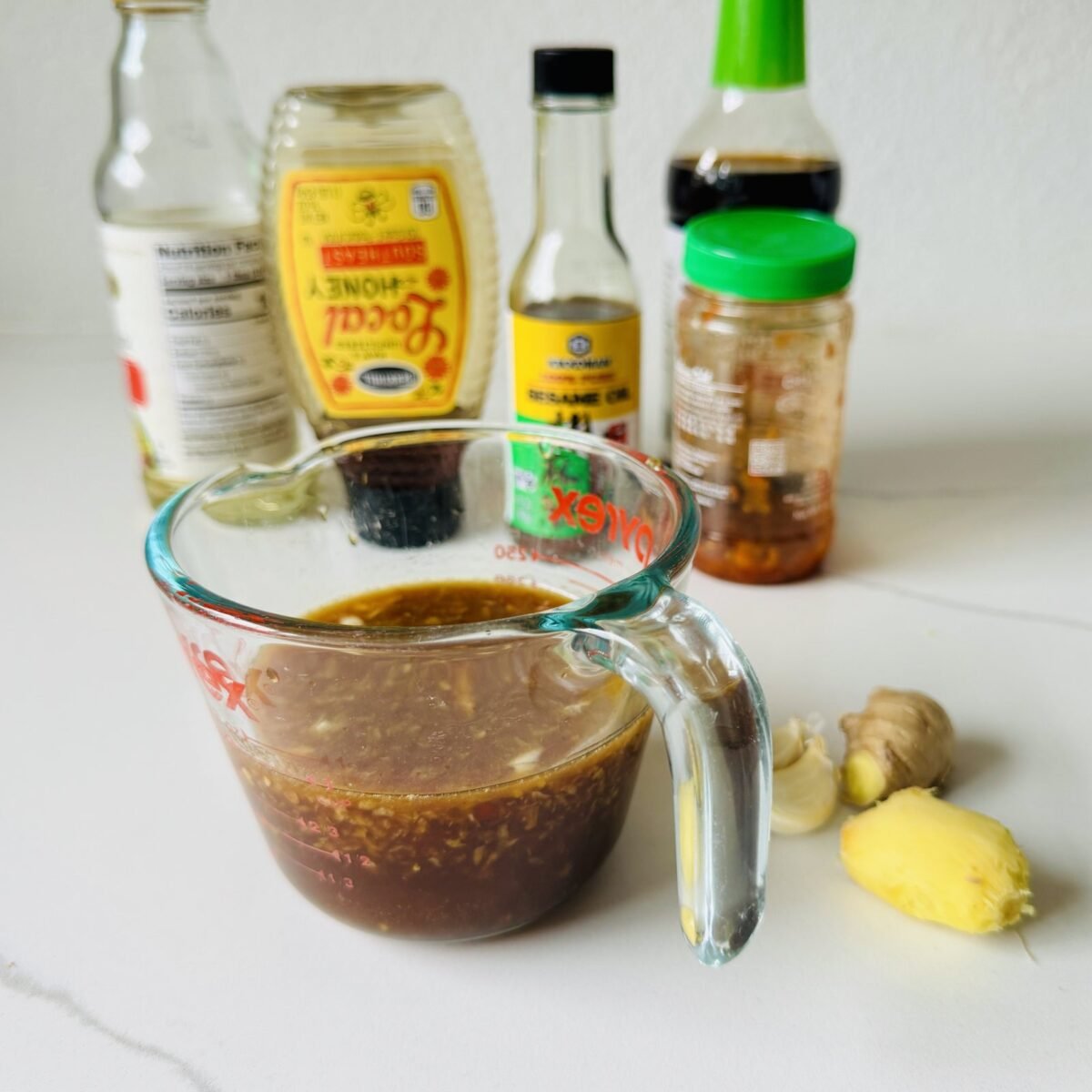
The Five Marinades at a Glance
| Flavor direction | What it teaches | Good when you want | Where to start |
|---|---|---|---|
| Greek Yogurt Garlic Herb | Gentle dairy acidity and a clingy coating | Juicy chicken, lamb, bowls, wraps, sheet-pan meals | Greek Yogurt Chicken Marinade Greek Chicken Bowls |
| Jerk-Inspired Allspice Ginger | Aromatic, spice-driven surface flavor | Dark roasted edges, broiled chicken, pork, salmon, tofu | Easy Jerk Marinade Jerk Chicken Bowls |
| Mojo Citrus Garlic | Bright citrus-garlic flavor and timing with acid | Tacos, bowls, shredded chicken or pork, seafood | Mojo Citrus Marinade Crispy Mojo Chicken Tacos |
| Soy Ginger Sesame | Salt, umami, and the clean-reserve-to-glaze method | Salmon, chicken, tofu, mushrooms, rice bowls | Soy Ginger Marinade and Glaze Soy Ginger Salmon Rice Bowls |
| Lemon Dijon Herb | Emulsification, cling, and a pan-sauce direction | Skillet chicken, pork, salmon, vegetables | Lemon Dijon Chicken Marinade + Chicken with Pan Sauce |
How to Use This Guide
- Choose the flavor direction. Pick the marinade that fits what sounds good and what is already in the kitchen.
- Match it to the food and timing. Shrimp and pork shoulder should not sit in the same acidic marinade for the same amount of time.
- Choose the cooking method. Grill if you want to, but skillet, oven, broiler, air fryer, pressure cooker, and slow cooker all work depending on the recipe.
- Decide how to finish. Add a clean glaze, pan sauce, fresh sauce, compound butter, seasoning salt, quick pickle, or nothing at all if the food already tastes complete.
What Makes a Great Marinade?
I think about five building blocks: salt, acid or dairy, aromatics, fat, and sweetness when it belongs. Not every marinade needs equal amounts of all five, but understanding their jobs makes it much easier to adjust a recipe intelligently.
| Building block | What it does | Examples |
|---|---|---|
| Salt | Does the most meaningful seasoning work over time. | Kosher salt, soy sauce, tamari |
| Acid or dairy | Adds brightness and affects the surface texture. | Lime, lemon, orange juice, rice vinegar, yogurt (Dijon contributes tang and emulsification) |
| Aromatics | Give the marinade its personality and flavor the browned surface. | Garlic, ginger, onion, scallions, herbs, chiles, allspice |
| Fat | Helps coat the surface and carries fat-soluble flavors. | Olive oil, neutral oil, sesame oil, yogurt |
| Sweetness | Balances salt, acid, and heat and can support browning. | Honey, brown sugar, maple syrup, fruit juice |
One of the biggest marinade myths is that every ingredient travels deep into the center of the meat. Much of the flavor from garlic, herbs, spices, citrus, and oil stays close to the surface. That is not a failure—the surface is where browning happens and where a glaze or finishing component can make the final dish taste much bigger.
How Long Should You Marinate?
These are best-quality ranges, not maximum safety limits. Delicate foods need less time, especially in citrus-heavy marinades.
| Protein or ingredient | Best-quality range |
|---|---|
| Shrimp | 10–30 minutes |
| Fish / salmon | 15–45 minutes |
| Chicken breast | 30 minutes–6 hours |
| Chicken thighs / drumsticks | 2–12 hours |
| Pork tenderloin / chops | 1–8 hours |
| Pork shoulder | 4–24 hours |
| Flank / skirt steak | 30 minutes–8 hours |
| Lamb | 2–12 hours |
| Tofu | 30 minutes–24 hours |
| Vegetables | 15–60 minutes |
For the full explanation of why those ranges differ, use my How Long to Marinate Chicken, Pork, Steak, Shrimp, Fish and Tofu guide.
1. Greek Yogurt Garlic Herb
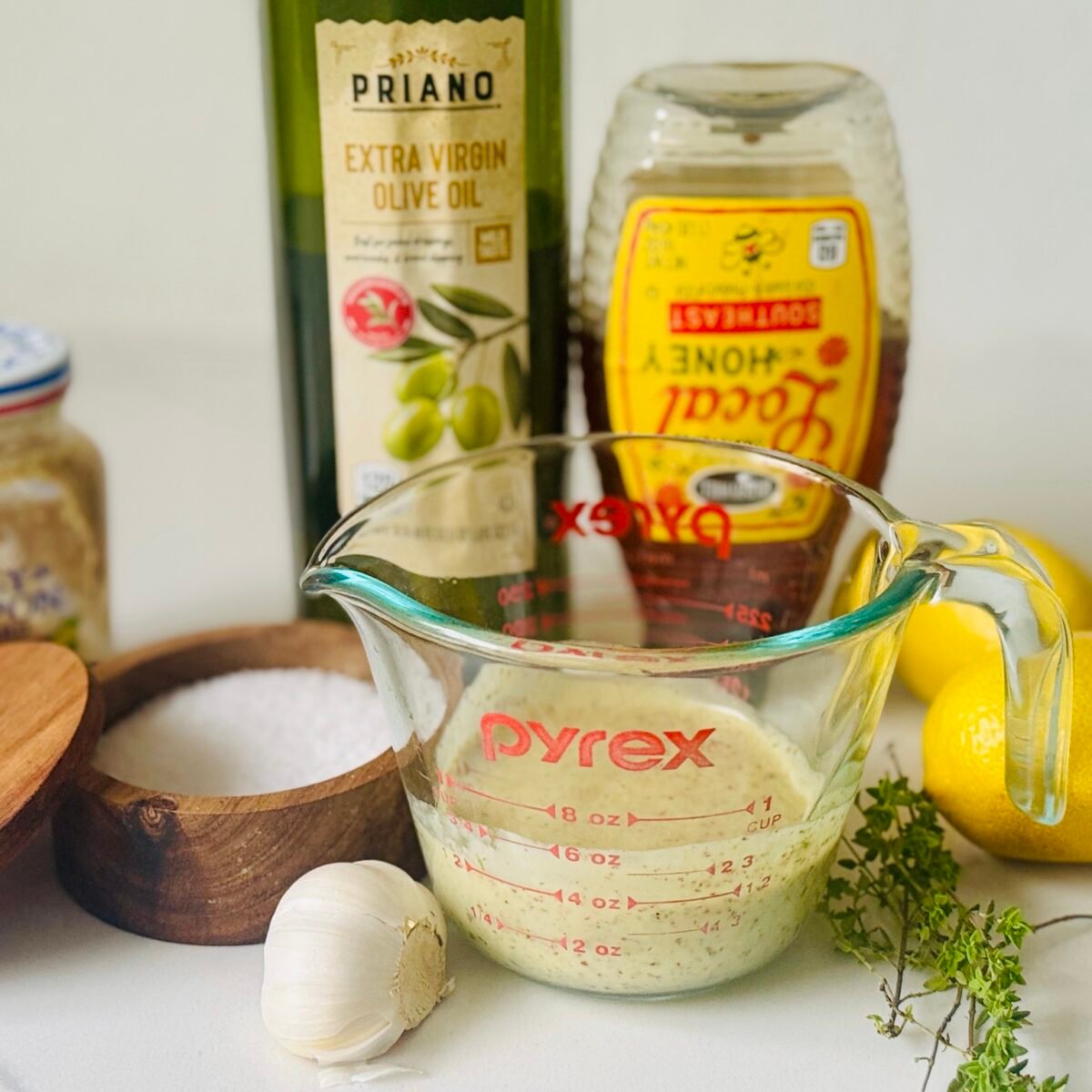
Greek yogurt teaches the gentler side of an acidic marinade. It creates a creamy coating that holds garlic, herbs, lemon, olive oil, salt, and pepper against the surface of the food.
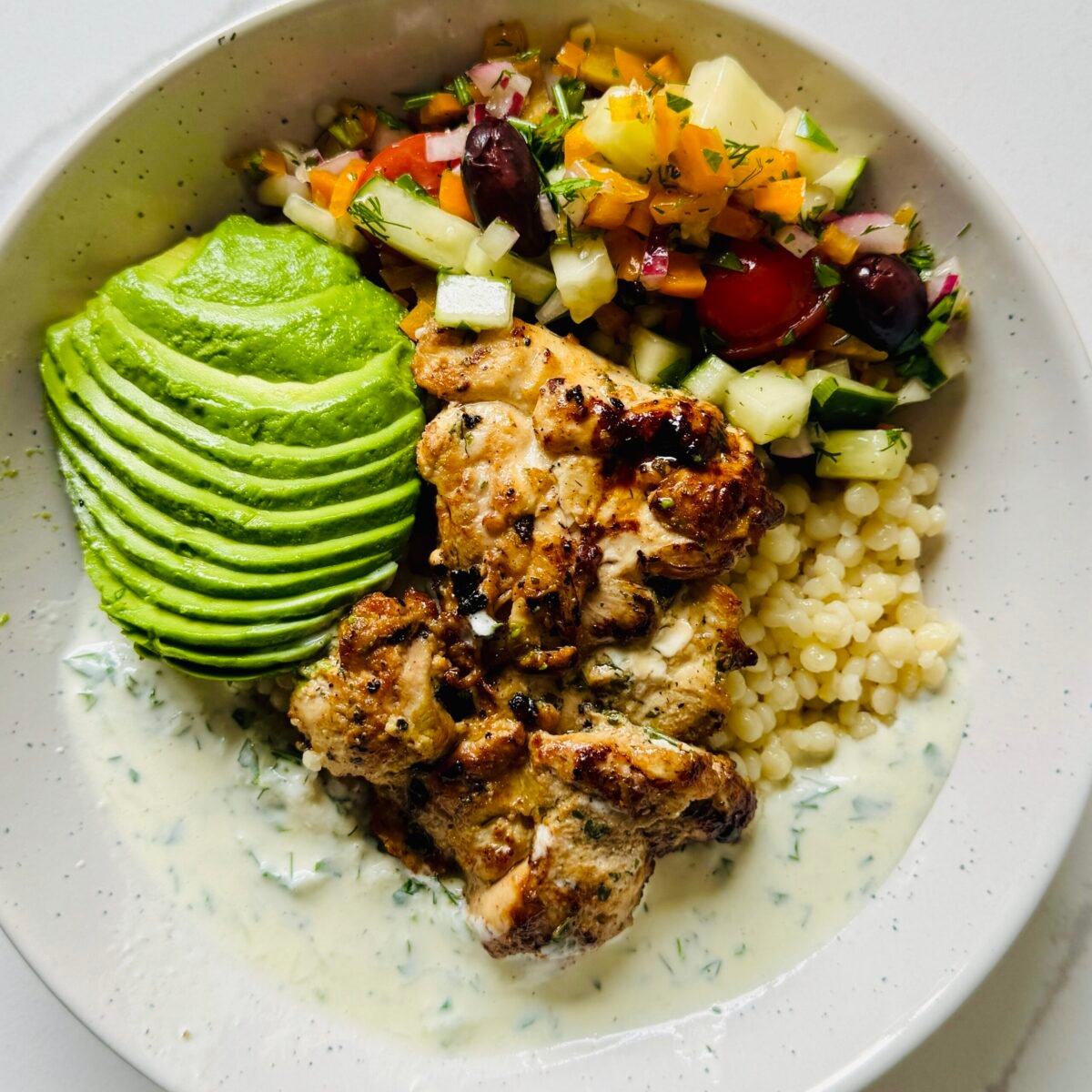
For the exact ratios and marinating guidance, start with my Greek Yogurt Chicken Marinade. Then use it in the Greek Chicken Bowls with Yogurt-Marinated Chicken. The bowl shows how a marinated protein can sit beside couscous, fresh vegetables, and a separate creamy sauce without every component tasting identical.
This flavor direction also makes sense with lamb, chicken pita wraps, sheet-pan chicken and potatoes, or grilled vegetables.
2. Jerk-Inspired Allspice Ginger
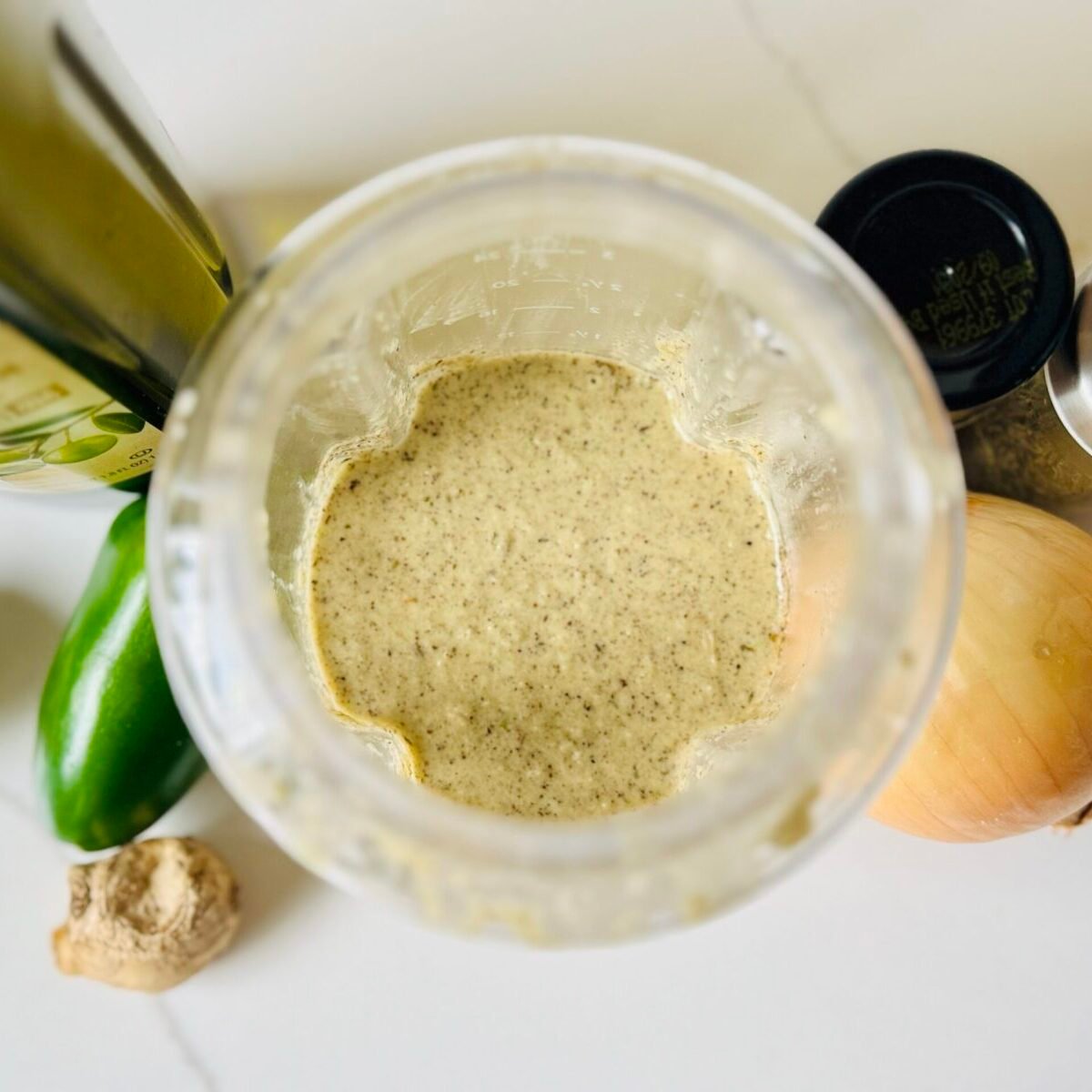
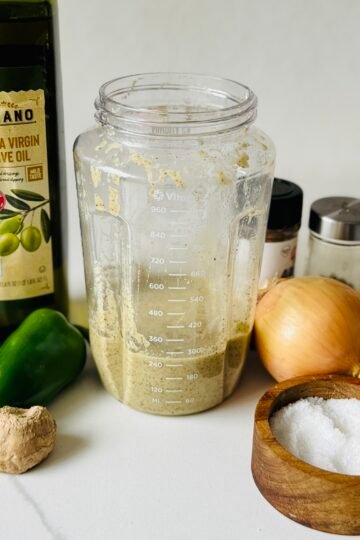
This is the simplest of my jerk-inspired flavor builders: fresh onion, garlic, ginger, green chilies, thyme, ground allspice, lime juice, and olive oil. There is no complicated spice list, and I don't add soy sauce or sugar to this version. It gives chicken a highly seasoned surface that tastes especially good with browned edges from the oven, grill, or broiler.
It is also a reminder that marinades are not only for grills. This style can work with oven-roasted chicken, broiled thighs, pork, salmon, tofu, or mushrooms.
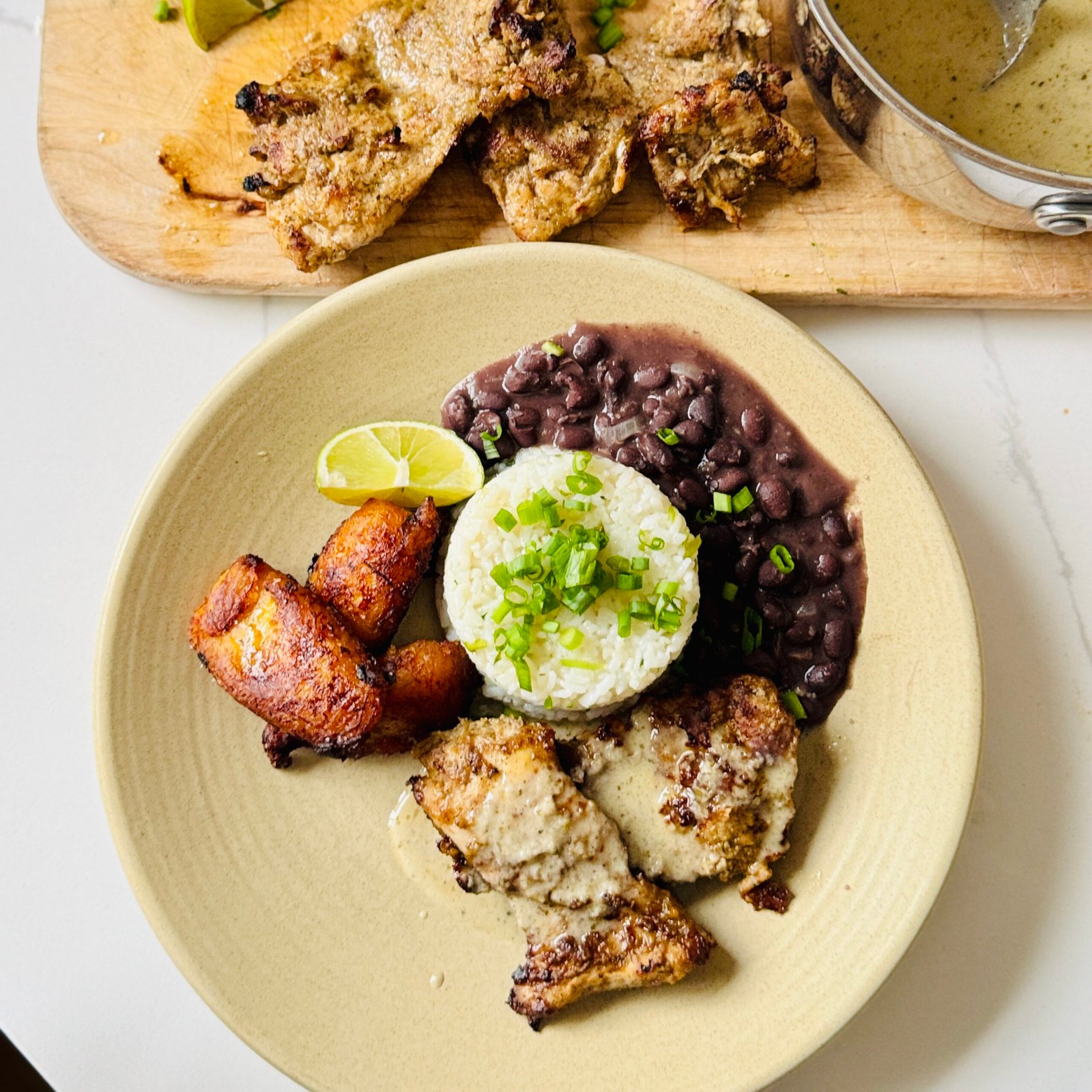
Start with my Easy Homemade Jerk Marinade for the exact blender recipe. The full dinner is my Jerk Chicken Bowls with Coconut Rice and Plantains, where one batch of cleanly reserved marinade flavors the chicken, the beans, and a creamy coconut sauce.
3. Mojo Citrus Garlic
Mojo is the bright citrus-garlic workhorse of the five. Orange juice, lime, garlic, cumin, oregano, and olive oil give it enough personality to point the rest of the meal toward tacos, bowls, wraps, rice, beans, or roasted vegetables.
This is also the marinade that makes timing especially obvious. Chicken and pork can handle a longer citrus marinade than shrimp or fish.
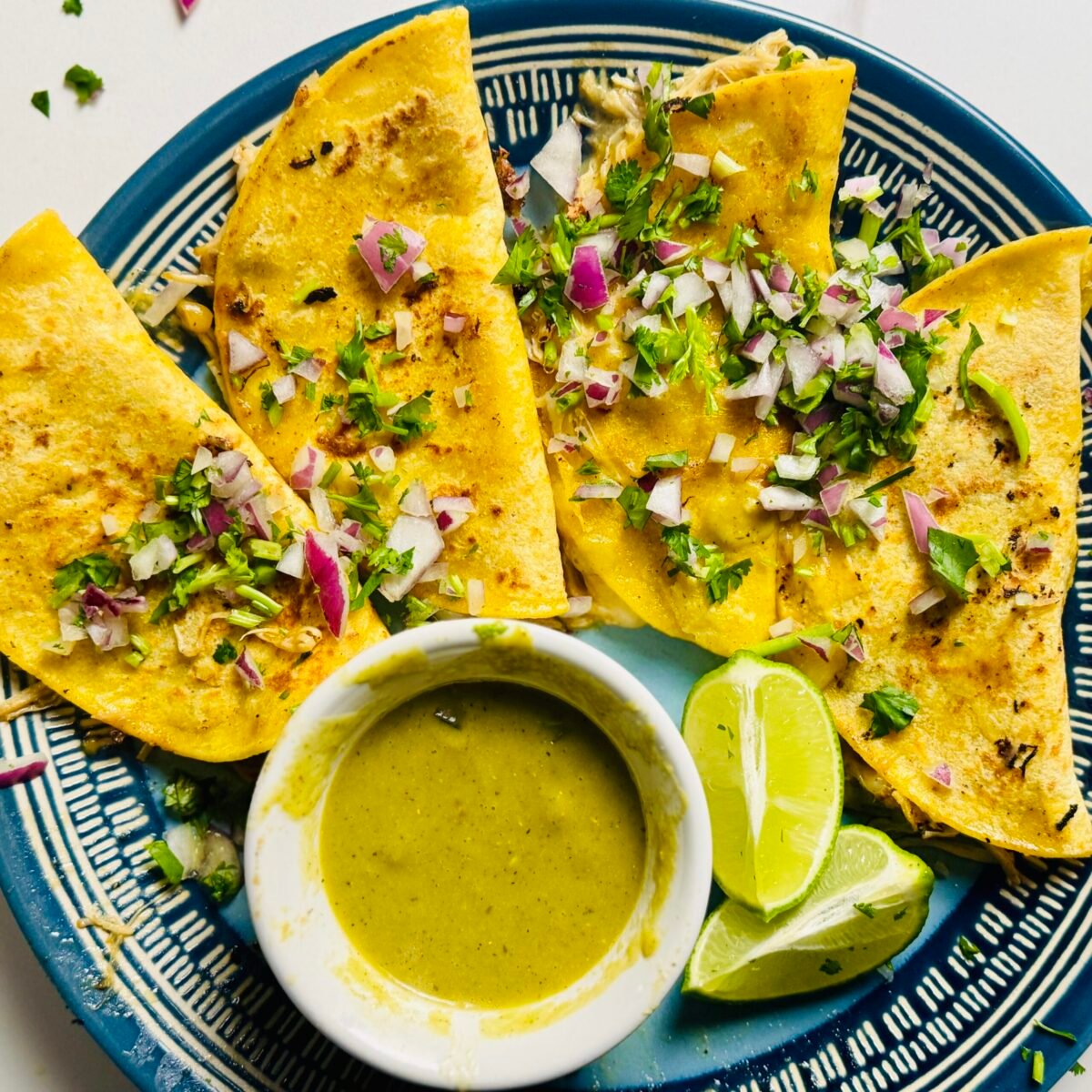
The full tested recipe is already live: Mojo Marinade with Orange Juice and Lime. For a complete dinner, use it in my Crispy Mojo Chicken Tacos.
4. Soy Ginger Sesame Marinade and Glaze
Soy Ginger teaches one of the most useful habits in marinade cooking: reserve the finishing portion before raw protein touches the mixture.
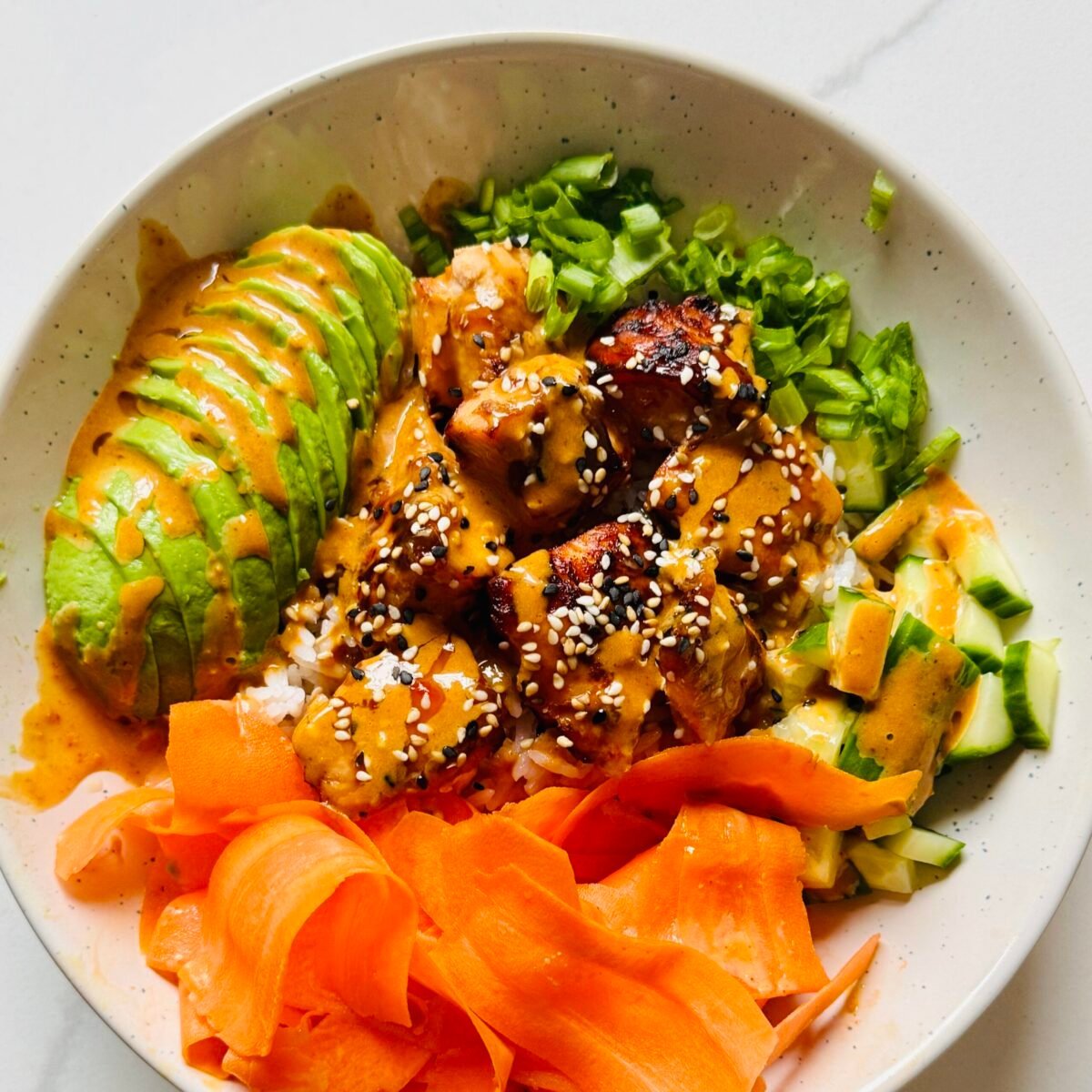
Low-sodium soy sauce brings salt and umami, while honey, ginger, garlic, rice vinegar, sesame oil, and sriracha build the flavor. The clean reserved portion gets a quick cornstarch slurry and becomes a glossy glaze after cooking.
The tested dinner is already live: Soy Ginger Salmon Rice Bowls. For the standalone flavor base, use my Soy Ginger Marinade and Glaze.
My Sesame Ginger Gochujang Sauce is a separate finishing sauce. The glaze clings to the protein; the creamy sauce connects the rest of the bowl.
5. Lemon Dijon Herb
This is the everyday pantry direction of the group. Dijon helps oil, lemon, honey, garlic, and herbs cling together, which makes the flavor useful with chicken, pork, salmon, potatoes, and vegetables.
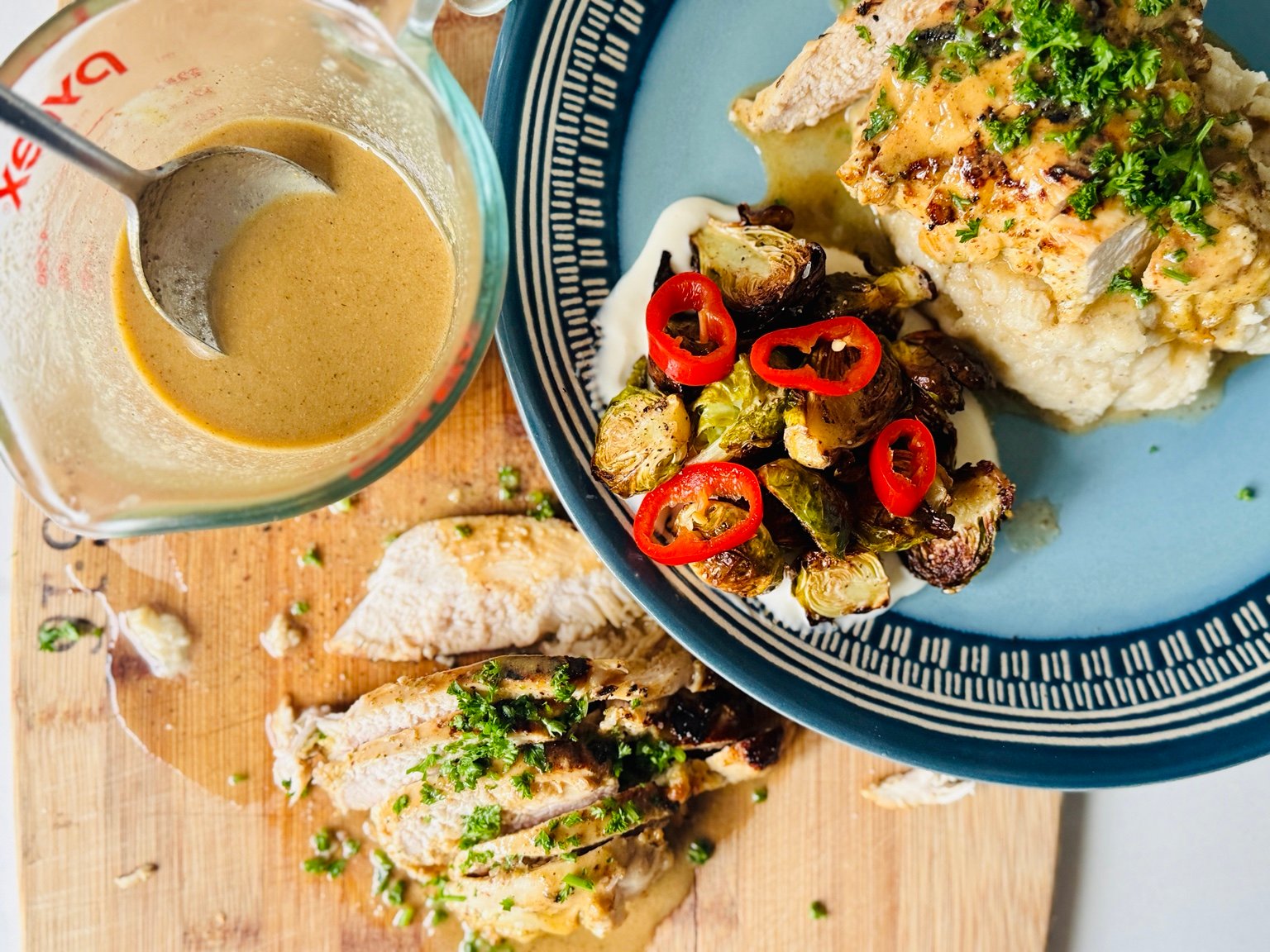
The part I like most is what can happen after cooking: sear the protein, then use a clean reserved portion with a little stock to move the same flavor into a pan sauce.
Think skillet chicken with lemon-Dijon pan sauce, pork tenderloin, salmon with capers and parsley, or sheet-pan chicken and potatoes.
The full tested recipe is now in my Lemon Dijon Chicken Marinade with Easy Pan Sauce. It uses Dijon, lemon, honey, garlic, herbs, and olive oil, then turns a clean reserved portion into a quick pan sauce with chicken stock and butter.
You Do Not Need a Grill
Marinades often get treated like a summer grilling topic. They are much more useful than that.
- Skillet: soy ginger salmon, lemon-Dijon chicken, mojo pork cutlets.
- Oven or sheet pan: Greek yogurt chicken, jerk-inspired chicken, salmon, potatoes, vegetables.
- Broiler: especially useful for darkening the edges of jerk-inspired chicken.
- Pressure cooker or slow cooker: mojo chicken or pork and spice-forward shredded meats.
- Air fryer: soy ginger salmon bites, chicken pieces, tofu, and other small marinated pieces when the recipe suits the appliance.
How Marinades Work with Other Flavor Builders
A marinade does not have to do every job. Sometimes the best dinner uses one flavor builder before cooking and a different one afterward.
- Green Sauce is excellent with mojo chicken, lemony chicken, salmon, tofu, and roasted vegetables.
- Creamy Greek Sauce works naturally with yogurt-marinated chicken, lamb, wraps, and bowls.
- Sesame Ginger Gochujang Sauce adds a creamy finishing layer to soy ginger salmon, chicken, tofu, rice bowls, and noodles.
- Rosemary Citrus Finishing Salt can add a final hit of seasoning to roasted vegetables, meat, and potatoes.
- Compound Butter is useful when a marinated protein needs richness rather than another sauce.
- Quick Pickled Peppers and Onions can bring acidity and crunch to tacos, bowls, and sandwiches.
That is the broader idea behind Flavor Builders: different components can help at different stages of cooking. There is no requirement that every recipe use a sauce, marinade, syrup, or any other specific category.
25 Dinner Directions from Five Flavor Bases
The point of learning five directions is not to make only five dinners. It is to have a group of flavors you can recognize and reuse.
| Marinade direction | Five dinner ideas |
|---|---|
| Greek Yogurt Garlic Herb | Greek chicken bowls; chicken pita wraps; yogurt chicken skewers; lamb bowls; sheet-pan chicken and potatoes |
| Jerk-Inspired | Jerk chicken bowls with coconut rice and plantains; pulled pork tacos; jerk-inspired salmon; tofu and mushroom bowls; chicken salad wraps |
| Mojo Citrus Garlic | Mojo chicken tacos; pork bowls; shrimp tacos; chicken wraps; sheet-pan chicken |
| Soy Ginger Sesame | Salmon rice bowls; glazed chicken bowls; tofu and mushroom bowls; steak bite lettuce wraps; shrimp noodle bowls |
| Lemon Dijon Herb | Skillet chicken with pan sauce; pork tenderloin; salmon with capers; sheet-pan chicken and potatoes; turkey cutlet wraps |
Marinade Safety: The Rule I Do Not Skip
If you want any part of a marinade to become a glaze, sauce, or topping, reserve that portion before raw meat, poultry, or seafood touches the mixture.
Keep marinades refrigerated while food is marinating. If a marinade has already touched raw protein, do not use it as a ready-to-eat sauce. USDA FSIS advises boiling used marinade before using it as a sauce and discarding uncooked leftover marinade. Read the USDA guidance here.
Where Pantry First Fits
If you use my Pantry First Method, a marinade can be one easy place to begin: choose a flavor direction, look at the protein and vegetables you already have, and build from there.
But that is only one way to use this guide. You can also come here because you bought salmon and want soy ginger, because you are making tacos and want mojo, or simply because lemon and Dijon sound good tonight. The marinade is a tool, not the identity of the meal.
Where to Start
Start with whichever flavor sounds good: Greek Yogurt Chicken Marinade, Easy Jerk Marinade, Mojo Citrus Marinade, Soy Ginger Marinade and Glaze, or Lemon Dijon Marinade with Pan Sauce. Each takes you to a complete recipe with measurements, cooking tips, and ways to make dinner from it.
Then keep the larger formula in mind: salt, acid or dairy, aromatics, fat, and sweetness when it helps. The goal is not to collect dozens of random marinade recipes. It is to understand a handful of useful flavor directions well enough that they keep giving you new dinner ideas.
All five marinade recipes are linked above. For a full meal, see the Greek chicken bowls, mojo chicken tacos, soy ginger salmon bowls, or jerk chicken bowls with coconut rice and plantains.


Comments
No Comments