
This Lemon Dijon Chicken Marinade is one of those recipes I want in my back pocket because it does more than season the chicken. The marinade is bright from fresh lemon, savory from Dijon and garlic, lightly sweet from honey, and rounded out with herbs, olive oil, salt, and black pepper.
The part that makes it especially useful is what happens after the chicken cooks: reserve a clean portion of the marinade before it touches the raw chicken, then turn that into a quick pan sauce with chicken stock and cold butter. One mixture gives you both the marinade and the finishing sauce.
I served it with mashed potatoes and roasted Brussels sprouts, which is exactly the kind of simple dinner this flavor builder is meant for. The chicken brings the acid, mustard, herbs, and richness; the potatoes catch the sauce; and the roasted vegetables give you something browned and slightly bitter to balance it.
If you are still figuring out how long different proteins should sit in a marinade, start with my complete guide to marinating times. For more sauces, marinades, syrups, and other components that make dinner easier to build, browse my Flavor Builders.
Jump to: Ingredients · Make the marinade · Cook the chicken · Make the pan sauce · Recipe
What Does Lemon Dijon Marinade Taste Like?
The flavor is bright and savory rather than aggressively sour. Dijon gives the marinade body and a sharp mustard note, but the honey softens the edges so it does not taste harsh. Garlic and herbs fill out the savory side, while olive oil keeps everything cohesive and helps the mixture coat the chicken.
The lemon matters in two ways: the juice supplies acidity, while the overall lemon flavor keeps the mustard from feeling heavy. Once the reserved marinade is reduced with chicken stock and finished with butter, the sauce becomes richer without losing that brightness.
Why Dijon Works So Well in a Marinade
Dijon mustard is useful because it brings both flavor and structure. It disperses through the oil and lemon juice instead of sitting separately, so the garlic, herbs, honey, and seasonings stay distributed across the chicken.
That does not mean the marinade needs hours and hours to work. Chicken cutlets have plenty of exposed surface area, and this mixture contains fresh lemon juice, so I prefer a relatively short marinating window: 30 minutes to 2 hours.
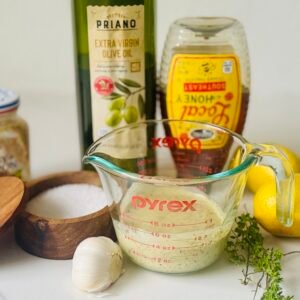
Lemon Dijon Marinade Ingredients
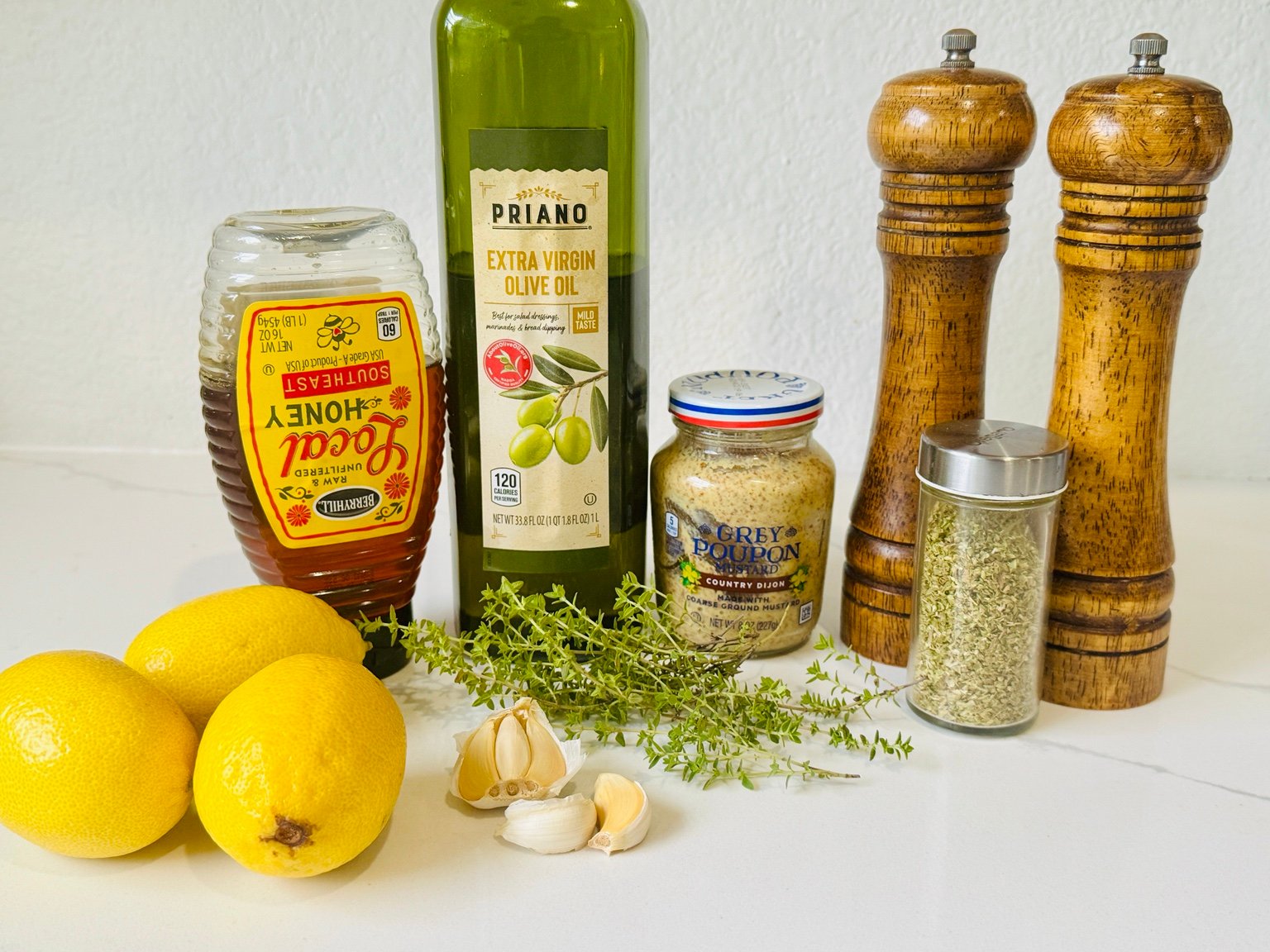
Olive Oil
Use ⅓ cup olive oil. It carries the herbs and aromatics and helps the marinade coat the chicken evenly.
Fresh Lemon Juice
Use ¼ cup fresh lemon juice. This is enough acid to keep the marinade bright, but because the mixture is lemon-forward, I do not recommend an all-day soak for chicken breast.
Dijon Mustard
3 tablespoons Dijon mustard give the marinade its savory backbone and help the mixture stay cohesive.
Honey
1½ tablespoons honey balance the lemon and mustard. It should not make the chicken taste sweet; it rounds out the sharper flavors and helps with browning.
Garlic
Use 4 garlic cloves, finely grated or minced so the flavor distributes throughout the marinade.
Salt, Pepper, and Herbs
I use 1½ teaspoons kosher salt, ½ teaspoon black pepper, and either 1 teaspoon dried oregano or 1 tablespoon fresh thyme leaves. Both herb directions work; oregano feels a little more pantry-driven, while fresh thyme gives the sauce a softer herb flavor.
The Tested Lemon Dijon Marinade Formula
- ⅓ cup olive oil
- ¼ cup fresh lemon juice
- 3 tablespoons Dijon mustard
- 1½ tablespoons honey
- 4 garlic cloves, finely grated or minced
- 1½ teaspoons kosher salt
- 1 teaspoon dried oregano or 1 tablespoon fresh thyme leaves
- ½ teaspoon black pepper
This makes about 1 cup of marinade, enough for roughly 1½ pounds of chicken cutlets. Before adding the chicken, reserve ⅓ cup of the clean marinade for the pan sauce.
How to Make Lemon Dijon Marinade
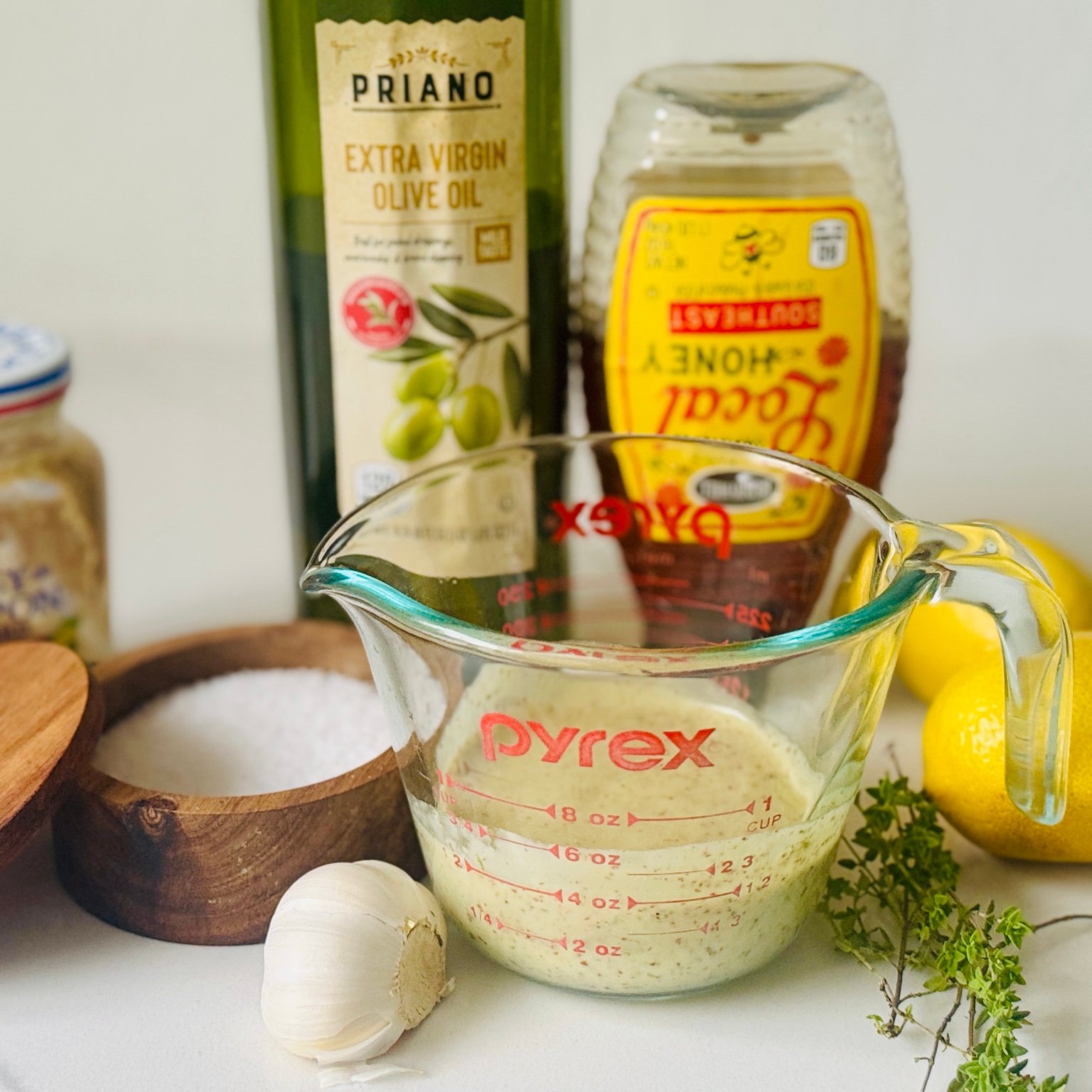
- Add the olive oil, lemon juice, Dijon mustard, honey, garlic, salt, herbs, and black pepper to a bowl or large measuring cup.
- Whisk until the mustard is fully incorporated and the mixture looks smooth and cohesive.
- Reserve ⅓ cup immediately in a separate clean container. This portion will become the pan sauce later.
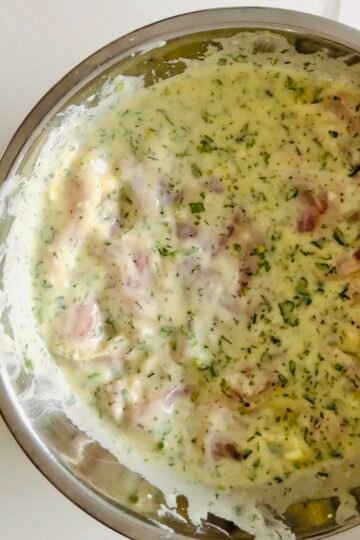
- Add the remaining marinade to 1½ pounds of chicken cutlets and turn the chicken until every piece is coated.
- Cover and refrigerate for 30 minutes to 2 hours.
How Long Should Lemon Dijon Chicken Marinate?
Thirty minutes to 2 hours is the window I recommend for this recipe. The chicken gets plenty of surface seasoning in that time, especially when you are using cutlets or thinner pieces.
The lemon juice is doing useful work, but more time is not automatically better. With an acidic marinade, leaving chicken breast for many hours can start to change the surface texture before you ever cook it. If you want a broader reference for chicken, seafood, pork, steak, tofu, and vegetables, use my marinating-time chart.
How I Cook the Lemon Dijon Chicken
I like chicken cutlets here because they cook quickly and give you a good ratio of browned exterior to juicy interior.
- Remove the chicken from the refrigerator and let the heavy excess marinade drip away.
- Heat 1 tablespoon oil in a large skillet over medium-high heat.
- Add the chicken in a single layer. Work in batches if necessary so the pan stays hot.
- Sear until browned on the first side, then flip and continue cooking until the thickest part reaches 165°F.
- Transfer the chicken to a plate while you build the sauce in the same skillet.
The exact cooking time depends on thickness, which is why I use temperature rather than the clock alone. Thin cutlets cook quickly; thicker pieces need more time.
Turn the Reserved Marinade Into a Pan Sauce
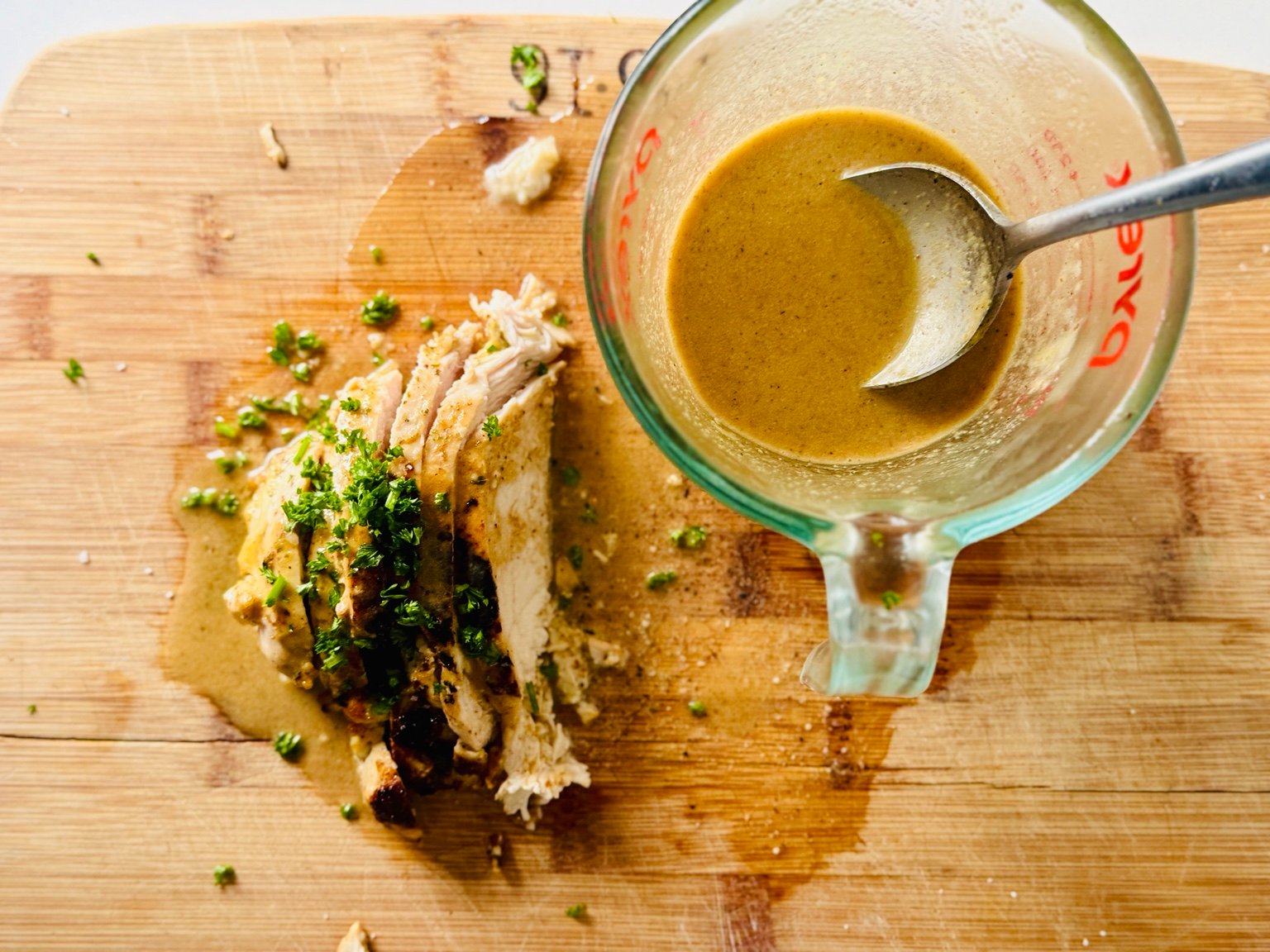
This is where the recipe becomes more than a basic marinade. The browned bits in the skillet already contain flavor from the chicken, mustard, honey, garlic, and herbs, so use them.
- With the chicken removed, lower the heat slightly.
- Add the reserved ⅓ cup clean marinade and ½ cup chicken stock to the skillet.
- Scrape the bottom of the pan to release the browned bits.
- Simmer until the sauce reduces and begins to look slightly glossy.
- Turn the heat low and whisk in 2 tablespoons cold butter until the sauce is smooth.
- Return the chicken to the pan and spoon the sauce over the top.
- Finish with 2 tablespoons chopped parsley.
Because this portion of marinade was reserved before the raw chicken was added, it is clean and ready to become the base of the sauce.
What to Serve With Lemon Dijon Chicken
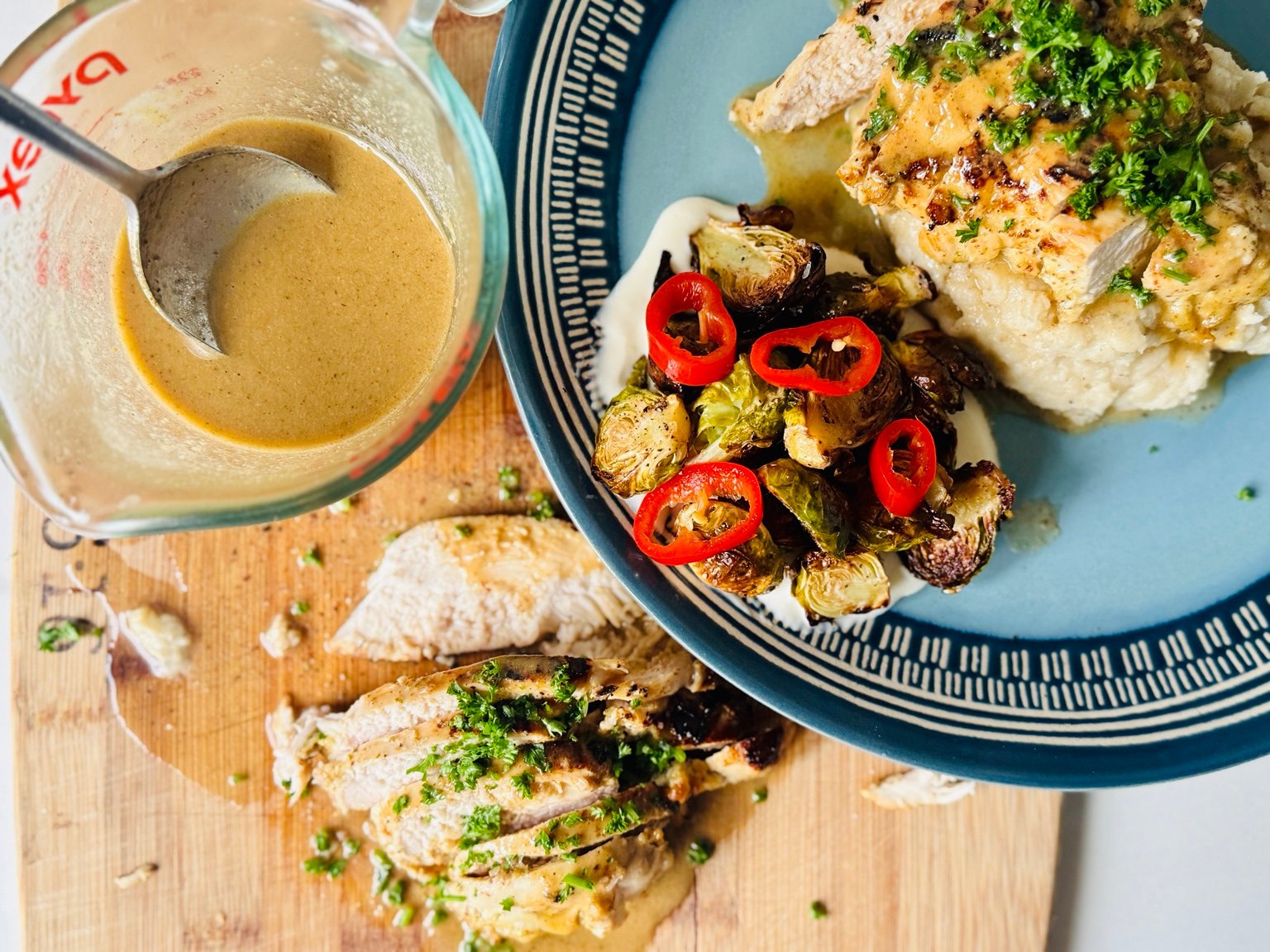
My favorite version is a straightforward dinner plate: mashed potatoes, roasted Brussels sprouts, and plenty of the lemon Dijon pan sauce. The potatoes are especially useful because they catch the sauce instead of letting it stay behind on the plate.
You could also pair the chicken with roasted potatoes, rice, green beans, asparagus, or a crisp salad. The marinade has enough flavor to anchor the meal without requiring every side dish to be complicated.
Can I Use This Marinade on Other Proteins?
Yes. The lemon-Dijon profile also works well with pork tenderloin or pork chops. Because the best marinating window changes by protein and thickness, use the timing chart in my How Long to Marinate guide rather than applying the chicken timing to everything.
For another marinade with a completely different flavor direction, try my Soy Ginger Marinade and Glaze, Greek Yogurt Chicken Marinade, or Mojo Marinade.
Storage and Food Safety
You can mix the lemon Dijon marinade up to two days ahead and keep it covered in the refrigerator before adding raw chicken.
Once raw chicken touches the marinade, keep everything refrigerated and discard the used marinade after the chicken is removed. The pan sauce in this recipe uses the clean ⅓ cup reserved before the chicken was added.
Cook chicken until the thickest portion reaches 165°F.
Frequently Asked Questions
Can I marinate the chicken overnight?
I do not recommend it for this formula. Because it contains a meaningful amount of fresh lemon juice, I prefer 30 minutes to 2 hours for chicken cutlets.
Can I use chicken thighs?
Yes. Boneless chicken thighs work well with the same flavor profile. They are more forgiving than breast meat, but I would still keep the marinating time reasonable because the mixture is lemon-forward.
Do I have to reserve part of the marinade?
You only need to reserve it if you want the pan sauce, but I recommend doing it. The clean reserved marinade gives you a sauce that tastes connected to the chicken without trying to reuse marinade that touched raw poultry.
Why finish the sauce with cold butter?
Whisking cold butter into the reduced liquid gives the pan sauce more body, gloss, and richness. It softens the sharpness of the lemon and Dijon without covering them up.
Can I grill the chicken instead?
Yes. Let the heavy excess marinade drip away, grill the chicken until it reaches 165°F, and make the reserved marinade sauce separately in a small saucepan with the chicken stock and butter.
Lemon Dijon Chicken Marinade + Pan Sauce Recipe
Lemon Dijon Chicken Marinade with Pan Sauce
Ingredients
For the Lemon Dijon Marinade
- ⅓ cup olive oil
- ¼ cup fresh lemon juice
- 3 tablespoons Dijon mustard
- 1 ½ tablespoons honey
- 4 cloves garlic finely grated or minced
- 1 ½ teaspoons kosher salt
- 1 teaspoon dried oregano or 1 tablespoon fresh thyme leaves
- ½ teaspoon black pepper
For the Chicken and Pan Sauce
- 1 ½ pounds chicken cutlets
- 1 tablespoon oil for the skillet
- ⅓ cup clean reserved Lemon Dijon Marinade reserved from the batch above before adding raw chicken
- ½ cup chicken stock
- 2 tablespoons cold unsalted butter
- 2 tablespoons chopped fresh parsley
Instructions
- Whisk together the olive oil, lemon juice, Dijon mustard, honey, garlic, salt, herbs, and black pepper until smooth and cohesive.
- Reserve ⅓ cup of the marinade in a separate clean container before adding the chicken.
- Coat the chicken in the remaining marinade. Cover and refrigerate for 30 minutes to 2 hours.
- Heat 1 tablespoon oil in a large skillet over medium-high heat. Let the heavy excess marinade drip from the chicken, then sear the cutlets until browned on both sides and the thickest part reaches 165°F. Work in batches if needed. Transfer the chicken to a plate.
- Lower the heat. Add the reserved clean marinade and chicken stock to the skillet. Scrape up the browned bits and simmer until the sauce is slightly reduced and glossy.
- Reduce the heat to low and whisk in the cold butter until smooth.
- Return the chicken to the pan, spoon the sauce over the top, and finish with parsley.
- Serve with mashed potatoes and roasted Brussels sprouts, or your preferred sides.
Notes
What I like most about this recipe is that it shows why I think of marinades as flavor builders rather than one-use mixtures. The same lemon-Dijon base seasons the chicken, helps create the browned surface, and then—through the clean reserved portion—becomes the sauce that ties the whole plate together.
Time in the kitchen is never wasted.

Comments
No Comments